


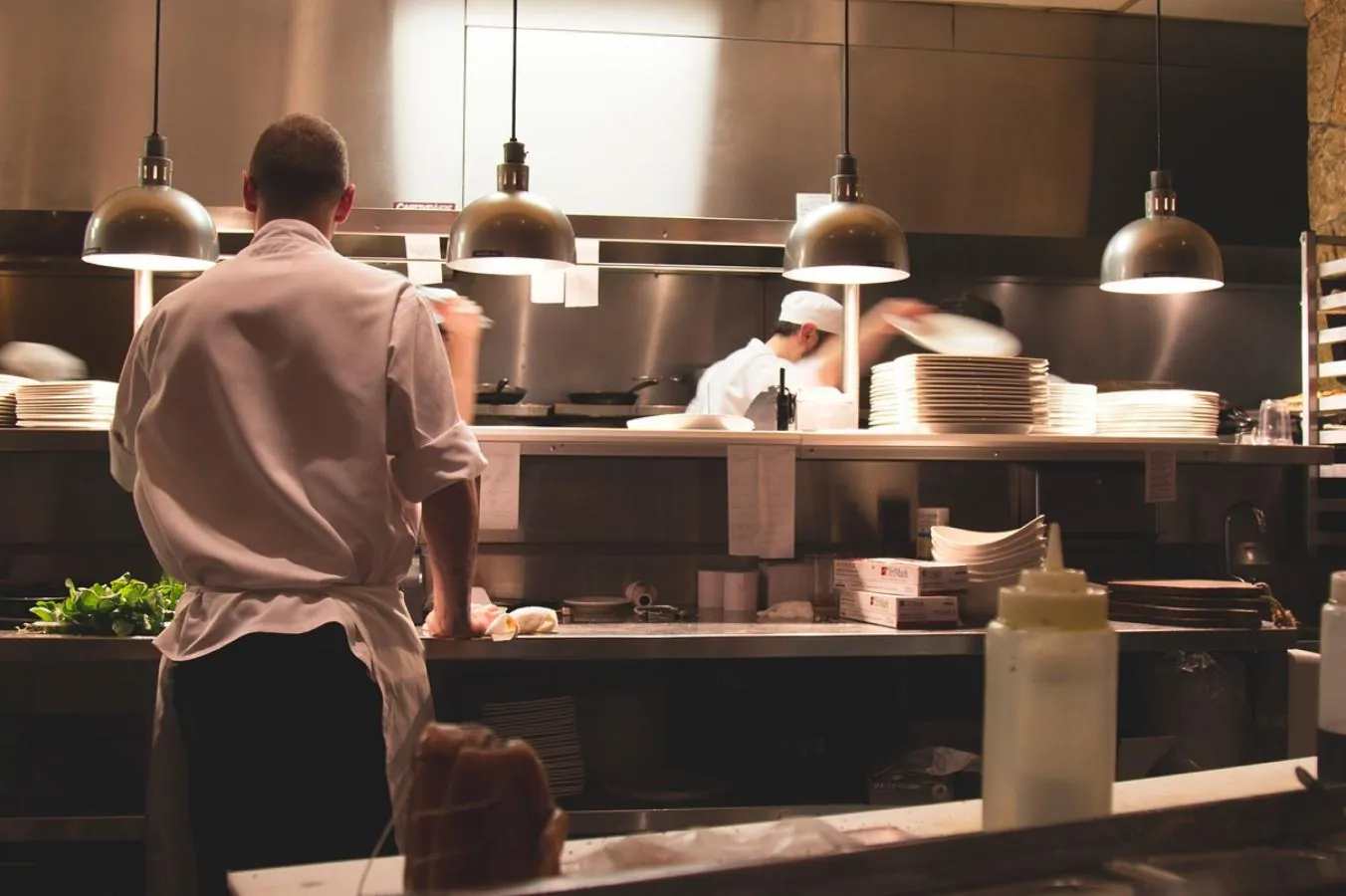
The product cycle in catering: ordering and purchasing
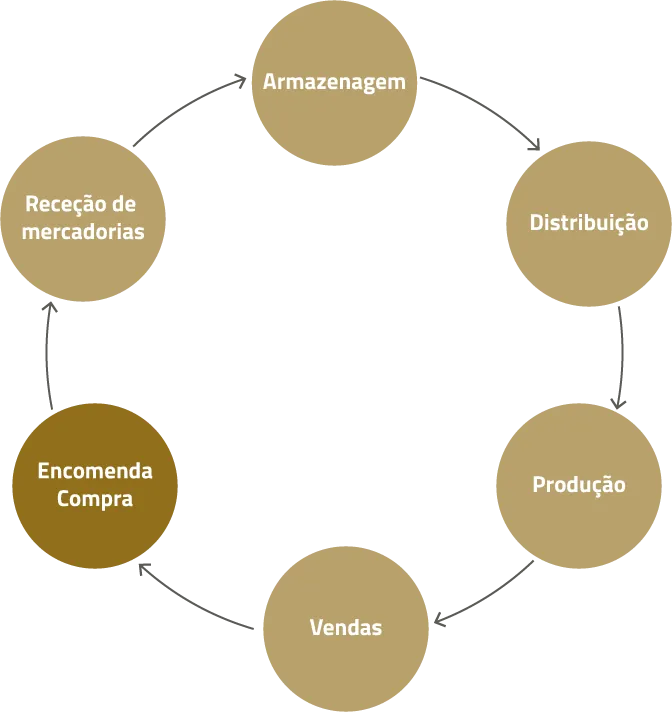
The product cycle in Food & Beverage consists of 6 distinct stages: ordering and purchasing, goods receipt, storage, distribution, production and sales.
In this article we turn our attention to the ordering and purchasing process.
The process begins with a careful analysis of requirements, taking account of factors such as seasonality, demand and availability.
On that basis, the purchase of products for catering can be divided into 3 categories:
- Routine purchasing;
- Periodic consumption;
- One-off consumption.
In the same way, suppliers can be classified as routine, periodic or one-off.
The products purchased may include a range of foods, fresh or frozen, grocery items and a wide range of beverages. Other products or services may also be required, such as:
- Aluminium foil, cocktail sticks, detergents, decorations for themed events, air-conditioning maintenance and so on.
At this stage, considering product prices is of the utmost importance. Strategic partnerships need to be established with trusted suppliers, seeking to balance quality with financial viability through the negotiation of contracts and prices.
To keep control of the products purchased, external documentation is essential, such as purchase orders, external requisitions and purchasing procedures. Internal documentation, such as product records, stock records and supplier records, is also needed for effective control.
Purchase order
- Issued by the seller;
- Used for products with a broad portfolio, such as wines, drinks, tobacco and ice cream;
- Issued in triplicate and numbered sequentially;
- Sets out the products ordered, including code, quantity, unit price and date;
- The attachment includes the request, initialled by the buyer (or an equivalent, such as an institutional email).
External requisition
- Issued by the buyer;
- Used for low-value purchases or orders;
- Applied to periodic products, such as professional technical equipment, decoration materials, clothing, uniforms and so on;
- Issued in triplicate;
- Numbered sequentially;
- Dated and identifying the buyer.
Purchasing procedure
- Started by the buyer;
- Used for high-value purchases or orders;
- Comprises 8 stages, including: procurement; drawing up the specification; technical, qualitative and economic-financial analysis; shortlisting 2 or 3 proposals; renegotiating the proposals; final analysis; final adjustments; decision and signing of the contract.
Interested in learning more about how to optimise this process?
Discover the new course on Food & Beverage em Contexto Hoteleiro.
Keep exploring
The Galega, the Cobrançosa and the Verdeal: The Portuguese Native Varieties Conquering the World
At a time when olive oil is establishing itself as one of the most studied and most highly valued foods of the Mediterranean diet, Portugal is emerging as one of the leading players in the global market.
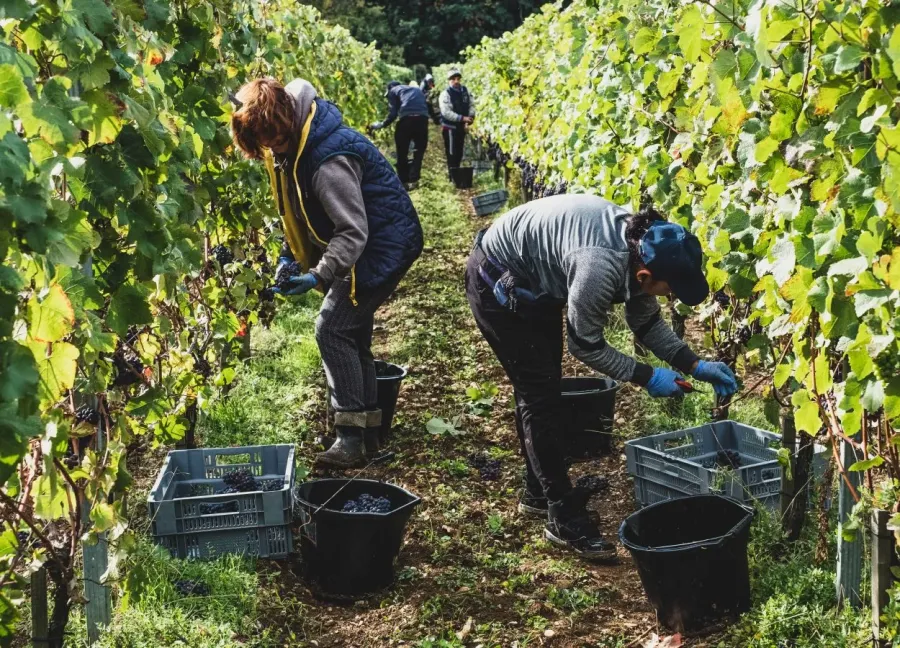
Climate change in Portuguese vineyards: what is changing and how to adapt?
In 2024, the International Organisation of Vine and Wine (OIV) recorded the lowest level of world production since 1961.

Frequently Asked Questions: Artificial Intelligence in Tourism Course
What is the aim of the AgroB Business School course on Artificial Intelligence in Tourism?