


Trends in protected horticulture in Portugal
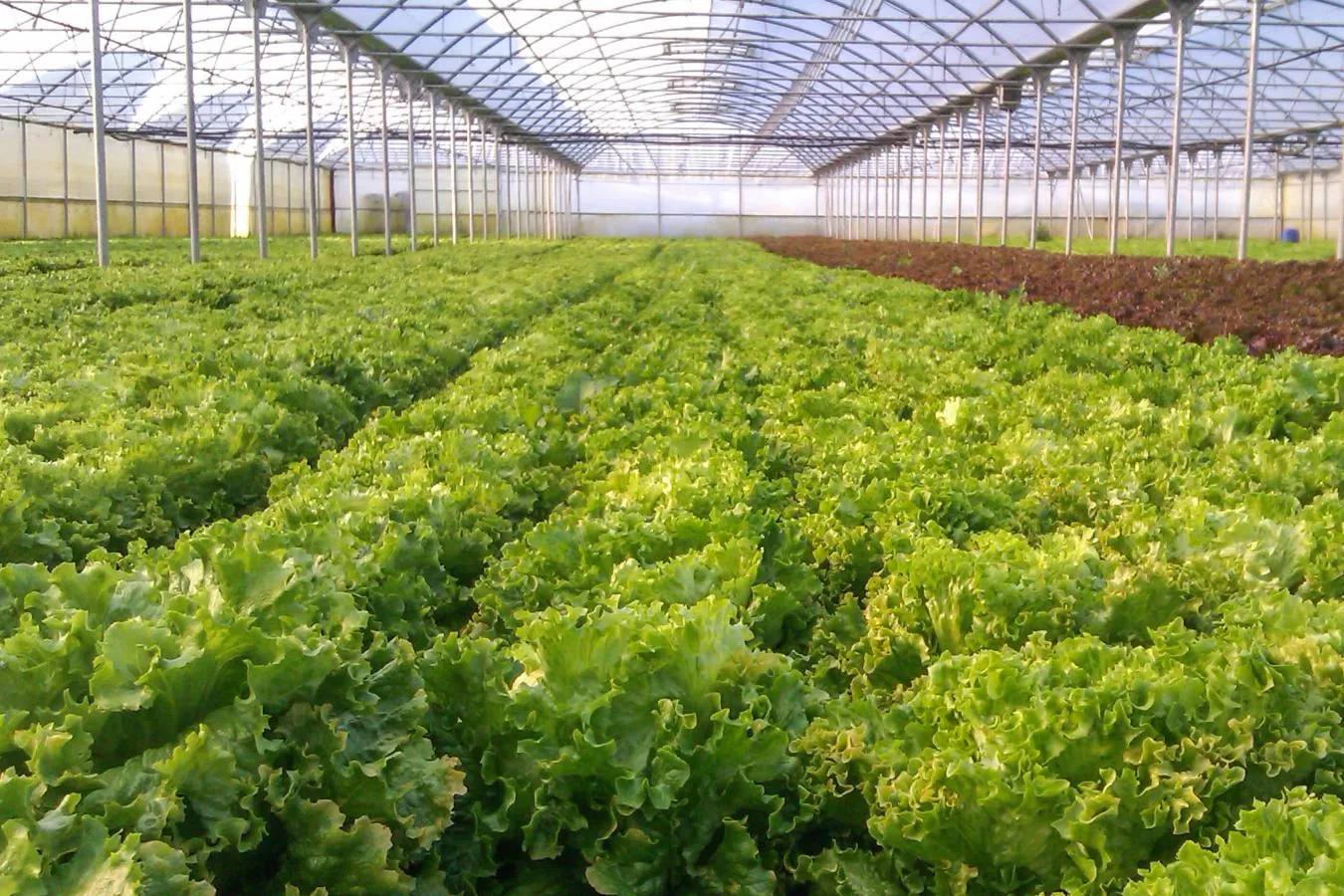
Protected horticulture in greenhouses and high tunnels is one of the strategic agricultural sectors growing fastest in Portugal. Drawing on a study presented by INIAV, I.P., trends were identified and strategies suggested for developing the sector, based on a survey of 23 companies in the field.
Between 2000 and 2019, the area given over to greenhouse and high tunnel vegetable production grew by 39%.
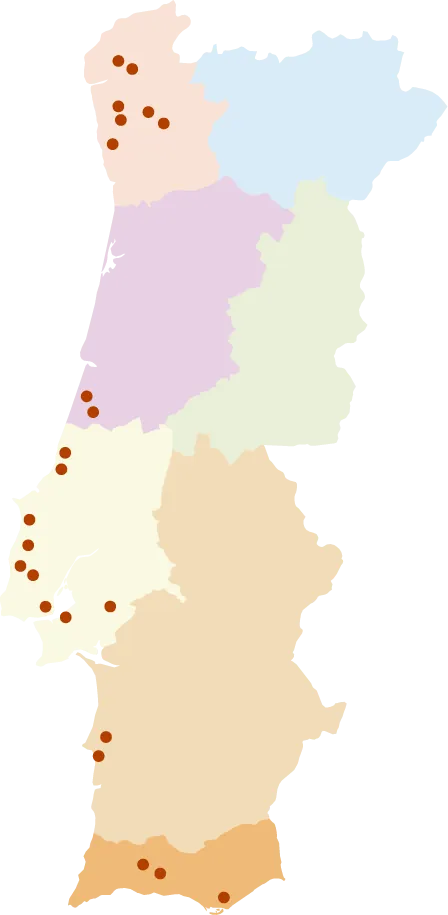
Production is located in the main producing regions of mainland Portugal: Entre Douro e Minho, Ribatejo e Oeste, Beira Litoral, Sudoeste Alentejano and the Algarve.
Alongside traditional coastal horticulture, the sector takes advantage of favourable soil and climate conditions and of proximity to the major consumption centres, with the exception of the Alentejo coast, where export plays a larger role.
Location of the 23 companies surveyed in this study
Adapted from: Vida Rural
Characteristics of vegetable production in a protected environment
Despite the limited size of the sample, representing only 10% of the protected horticulture area and 0.7% of the total number of companies operating in the sector, it is possible to identify some of the main characteristics of vegetable production in a protected environment.
- Vegetables lead production in protected environments, followed by soft fruit and ornamental plants;
- On exports, 74% of the companies surveyed export to a variable extent and 26% supply the domestic market exclusively;
- Most use external services, notably technical support (above all soil, leaf and water analysis) and weather information (particularly for plant health control);
- The use of foreign and temporary labour remains essential in certain non-mechanised cultivation operations, such as planting, pruning or harvesting;
- The majority (43%) use soilless growing systems (in substrate). 35% of the companies surveyed grow exclusively in the soil and 22% use both growing systems;
- As for production methods, Integrated Production predominates, followed by conventional production. Organic production takes place on 3% of the area cultivated in soil;
- Localised drip irrigation is the predominant method. Automatic irrigation control is in place in a little over half the companies, and there is scope for it to be improved and optimised;
- Chemically synthesised fertilisers are the most widely used (65% of companies). Composts made from organic waste are used by 21% of companies and 14% use products approved for organic production;
- Most of the companies surveyed incorporate organic waste into the soil or compost it. Recycling of the plastics used is also high.
Opportunities for improvement
The study also identifies some opportunities for improvement that would allow better management and greater competitiveness in the sector. Among others, it highlights the lack of information on:
- Technologies;
- Yields and inputs per unit area;
- The type of structures used;
- Waste produced;
- Training and technical assistance needs.
Source: Bruna Matos, J. et al. (2024). horticultura Protegida: Breve Caracterização de uma Amostra de Empresas no Continente Português. Artigo de divulgação. Vida Rural.
What are the biggest weaknesses you see in the sector?
Tell us about your experience!
Keep exploring
The Galega, the Cobrançosa and the Verdeal: The Portuguese Native Varieties Conquering the World
At a time when olive oil is establishing itself as one of the most studied and most highly valued foods of the Mediterranean diet, Portugal is emerging as one of the leading players in the global market.
Climate change in Portuguese vineyards: what is changing and how to adapt?
In 2024, the International Organisation of Vine and Wine (OIV) recorded the lowest level of world production since 1961.

Frequently Asked Questions: Artificial Intelligence in Tourism Course
What is the aim of the AgroB Business School course on Artificial Intelligence in Tourism?