


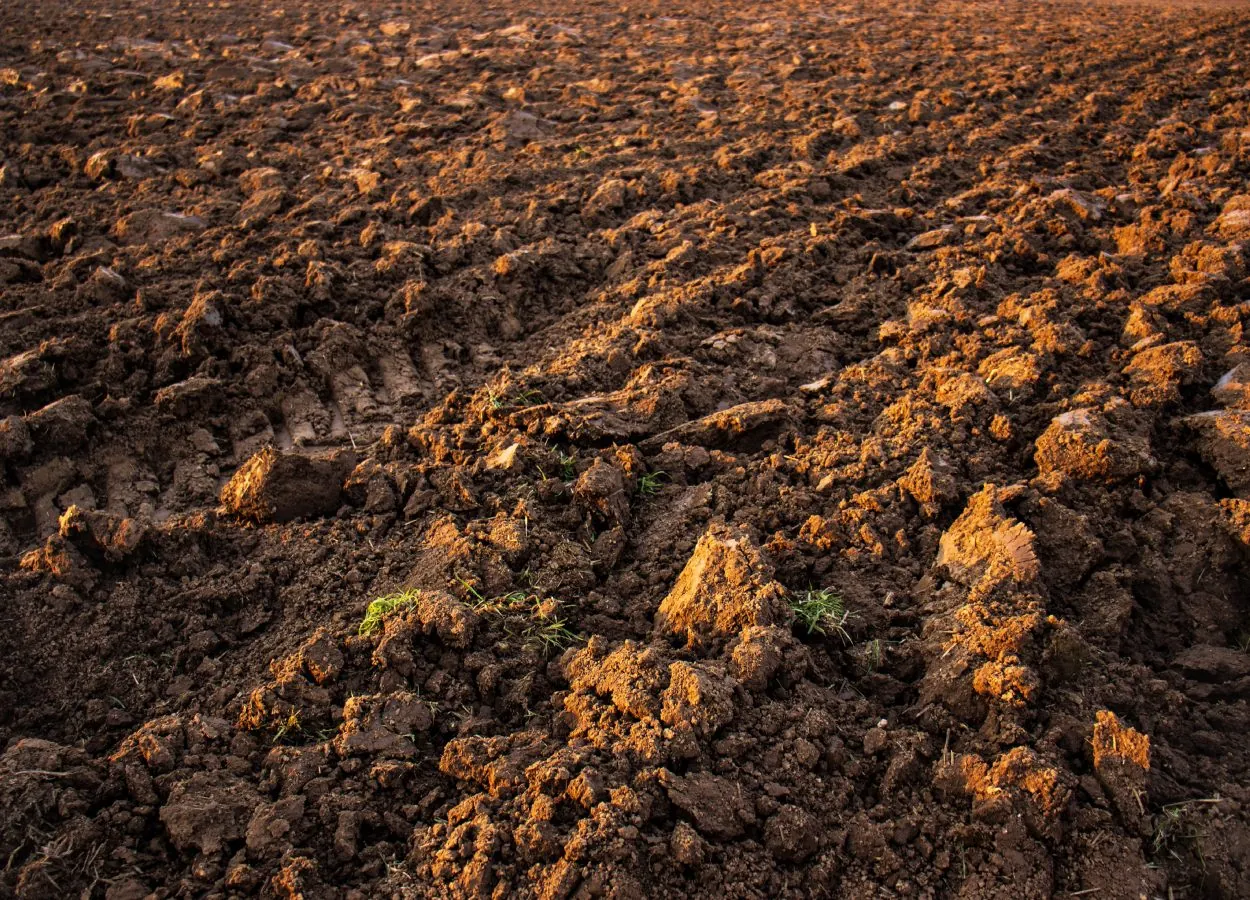
Good practice for maintaining a healthy soil structure
Soil structure is one of the most critical factors in agricultural productivity. When the structure degrades, macropores are lost, water infiltration falls, root oxygenation is reduced and fertility drops sharply.
According to INIAV, incorrect farming practices, especially excessive tillage and poor irrigation management, are among the main causes of structural degradation and soil compaction.
Organic matter
Organic matter content is a key indicator of structural quality. Values below 3.5% organic matter (≈2% organic carbon) are considered to be associated with a risk of soil structure deterioration.
Organic matter contributes to:
- The formation of stable aggregates
- Better water infiltration and retention
- Increased biological activity in the soil
- Greater resistance to erosion
Applying organic residues
Incorporating:
- crop residues
- manures
- organic composts
Increases organic matter and supplies nutrients to plants and to soil micro-organisms. Composted materials are more stable, which means longer-lasting effects on structure.
Minimising soil disturbance
Deep and frequent ploughing:
- destroys soil aggregates
- accelerates the breakdown of organic matter
- encourages compaction
The technical recommendation is to adopt conservation practices, such as:
- minimum tillage
- direct drilling
- conservation agriculture systems
Cover crops and crop residues
The use of cover crops (grasses and legumes) brings multiple benefits:
- a gradual increase in organic matter
- protection against water and wind erosion
- better soil aggregation
Crops that leave residues after harvest, such as maize, create a physical barrier against rain and wind, protecting the aggregates at the surface.
Fertilisation and soil structure
Fertilisation also influences structure. Calcium in particular promotes the flocculation of soil colloids, improving the aggregation of particles.
In addition:
- microbial activity generates humic compounds that stabilise aggregates
- earthworms and other organisms create macropores
- well-developed roots contribute to structural stability
In clay soils, applying calcium sulphate (agricultural gypsum) can improve flocculation and structure.
Source: INIAV (2022). Manual de Fertilização das Culturas. Laboratório Químico Agrícola Rebelo da Silva
Keep exploring
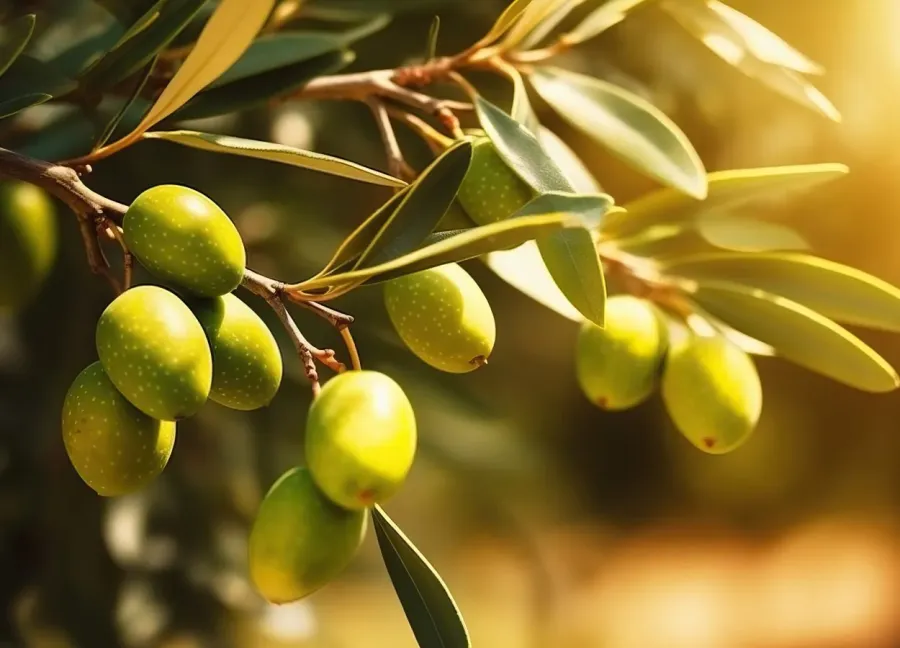
The Galega, the Cobrançosa and the Verdeal: The Portuguese Native Varieties Conquering the World
At a time when olive oil is establishing itself as one of the most studied and most highly valued foods of the Mediterranean diet, Portugal is emerging as one of the leading players in the global market.
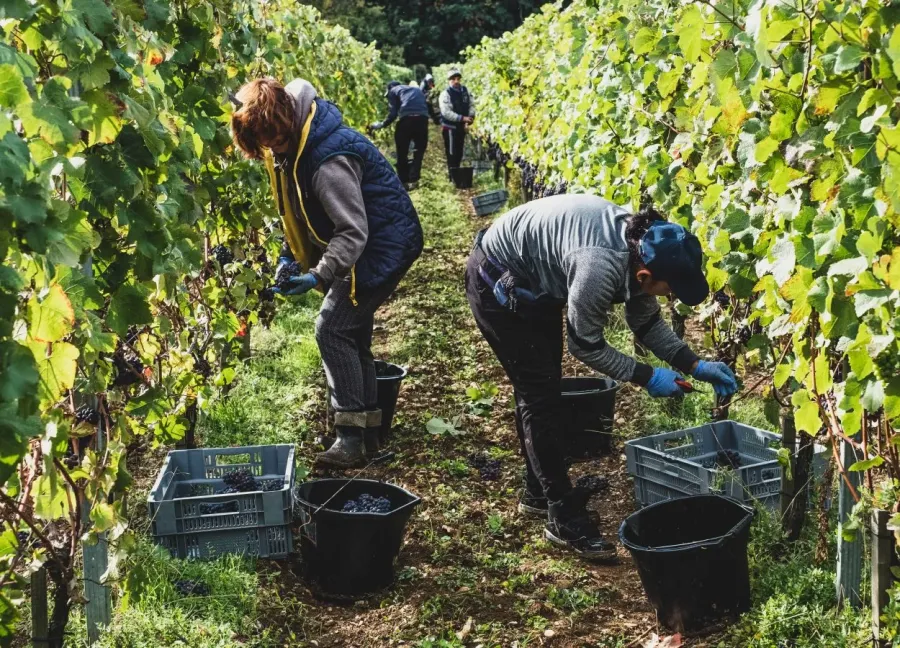
Climate change in Portuguese vineyards: what is changing and how to adapt?
In 2024, the International Organisation of Vine and Wine (OIV) recorded the lowest level of world production since 1961.

Frequently Asked Questions: Artificial Intelligence in Tourism Course
What is the aim of the AgroB Business School course on Artificial Intelligence in Tourism?