


Global water bankruptcy: the UN's warning
The UN is asking the world to formally recognise a “global water bankruptcy” and to change the water agenda, because in many places this is no longer a drought episode or a matter of “stress”, but systems pushed beyond the point of recovery. In Portugal, this framing helps read more clearly what happens when water availability becomes irregular, when agricultural and urban pressure increases and when management remains too focused on firefighting instead of reducing the structural deficit.
The UN's warning and why it matters here
The UNU-INWEH report describes “bankruptcy” as living beyond a territory's “hydrological means”, that is, withdrawing and degrading water faster than replenishment and natural storage capacity allow, with losses in natural reservoirs such as aquifers, wetlands and soils. The UN calls for an explicit transition from “crisis management” to “bankruptcy management”, with transparent water accounting, enforceable limits and protection of the natural capital that produces and stores water. This point is particularly relevant for Portugal because climate variability and pressure on water resources in drier regions (such as the south) make the risk of overshoot more visible and more recurrent.
Portugal within the “global pattern”
The logic the UN describes for the world applies to several Portuguese tensions: growing dependence on storage (dams) and groundwater abstraction, competition between uses (urban supply, agriculture and tourism) and vulnerability to prolonged periods of below normal rainfall. When the UN talks about natural capital, that includes precisely the elements that also determine water resilience in Portugal, such as soils with infiltration capacity, wetlands and coastal aquifers. In Portuguese coastal areas, over-abstraction can worsen quality problems such as salinisation through seawater intrusion, reducing “usable” water even where water still “exists”.
Agriculture: the sector where change weighs most
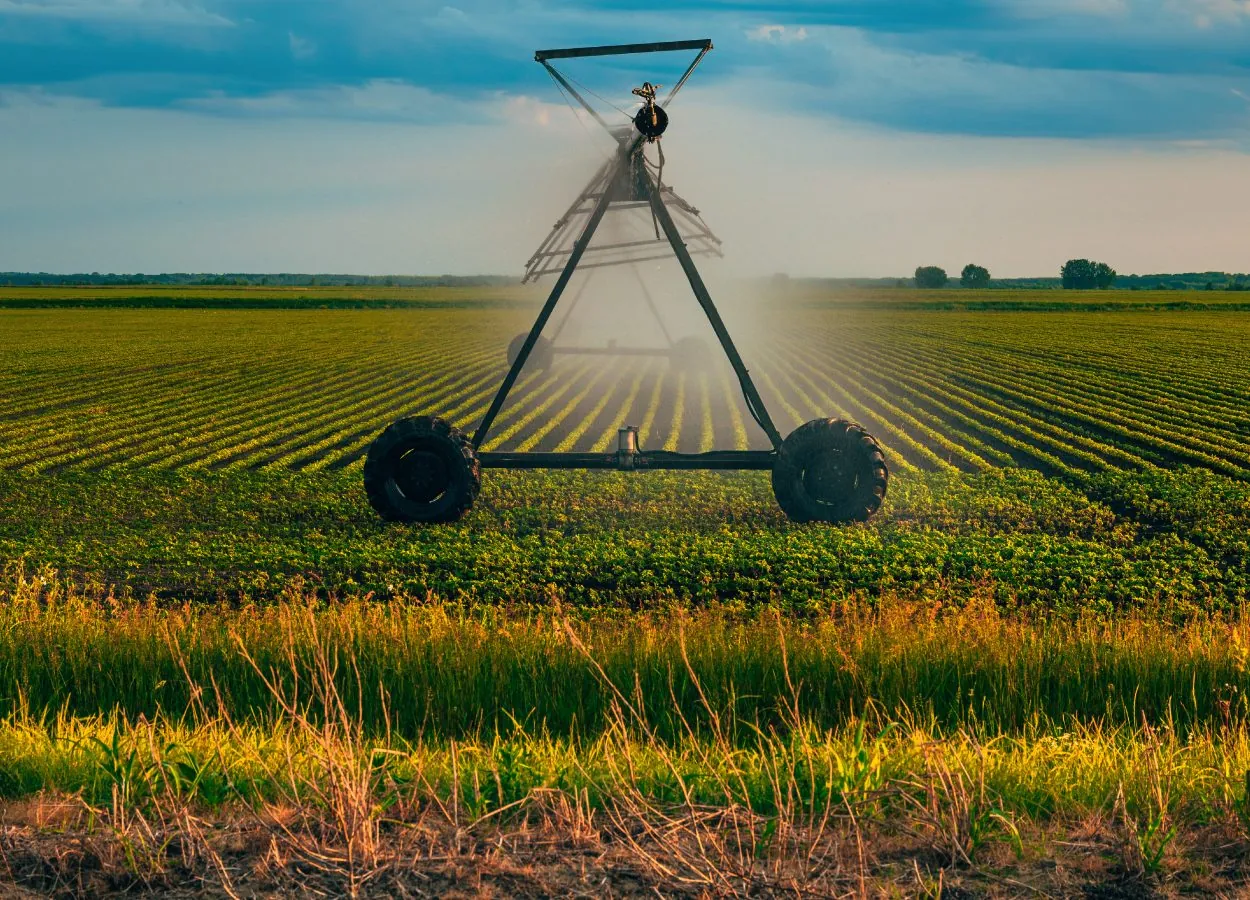
The UN places farmers and food systems at the heart of the problem, recalling that agriculture accounts for around 70% of global freshwater withdrawals and that food security is increasingly exposed to declines and instability in total water storage. For Portugal, this translates into a practical question: are crop choices, irrigation scheme design, real irrigation efficiency and soil condition aligned with the water that exists in each basin, and not only with the water one would like to have. The UN's recommendation to transform water intensive sectors through crop changes and irrigation reform fits directly into Portuguese discussions about adapting irrigated agriculture, reducing losses and planning by river basin.
What changes in management (and what that could mean in Portugal)
The UN proposes that governments stop treating water as a succession of emergencies and start managing bankruptcy around three key ideas: measure better, limit better and protect better. In Portugal, that could translate into priorities such as strengthening monitoring and transparency (surface and groundwater), setting allocation rules for periods of scarcity that protect people and ecosystems, and investing in the recovery of natural capital (wetlands, riverbanks and soil health) to increase infiltration and “invisible” storage. And, because the UN stresses the justice dimension, these policies need to protect those with least capacity to adapt (small farmers, lower income communities and the most exposed territories), so that the transition is not made at the expense of the most vulnerable.
Keep exploring
The Galega, the Cobrançosa and the Verdeal: The Portuguese Native Varieties Conquering the World
At a time when olive oil is establishing itself as one of the most studied and most highly valued foods of the Mediterranean diet, Portugal is emerging as one of the leading players in the global market.
Climate change in Portuguese vineyards: what is changing and how to adapt?
In 2024, the International Organisation of Vine and Wine (OIV) recorded the lowest level of world production since 1961.

Frequently Asked Questions: Artificial Intelligence in Tourism Course
What is the aim of the AgroB Business School course on Artificial Intelligence in Tourism?