


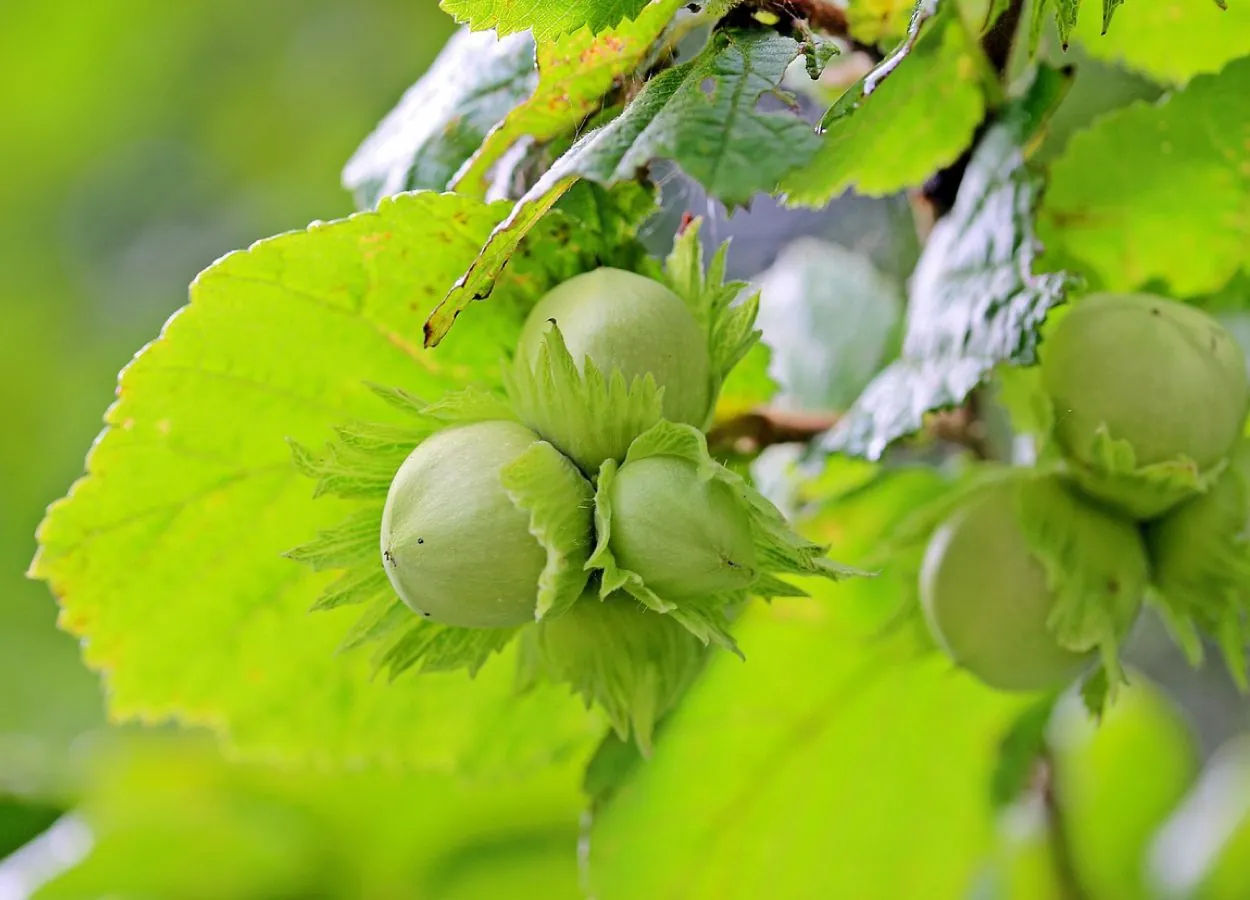
The hazelnut: a neglected economic opportunity in Portugal
At a time when the agricultural sector is looking for new crops with added value and a greater capacity to generate income in rural areas, the hazel is back in the conversation as a possibility for diversification and regional development. In this opinion piece, published in Vida Económica, José Martino frames the subject in terms of competitiveness, the organisation of the supply chain and the need for technical information, presenting the hazelnut as a case that deserves strategic attention.
José Martino, Vida Económica
"The hazelnut is a nut for which Portugal has particularly favourable soil and climate conditions. Even so, hazel growing has declined sharply since Portugal joined what was then the European Economic Community in 1986, resulting in a steep reduction in the area cultivated and in the quantities produced.
The causes of this decline are well known. Traditional extensive systems, poorly suited to international competition, produced low yields and returns that were frequently below production costs. The heavy dependence on labour for manual harvesting and for drying the nuts made matters worse, leaving the crop uncompetitive.
At the same time, imported hazelnuts came to exert a strong influence on prices in the domestic market. Coming above all from countries with lower production costs or with large, highly mechanised holdings, foreign supply puts constant pressure on Portuguese production and makes it harder to command a good price. On small national holdings, the scale does not in most cases allow the investment needed to mechanise the harvest. The result is a structurally negative trade balance, with a deficit of more than 2 million euros. Internationally, countries such as Turkey, the United States, Chile and Italy achieve yields far above Portugal's, benefiting from intensive production systems, an organised supply chain and a strong technological component. While world production of in-shell hazelnuts exceeds one million tonnes per campaign, Portugal remains at a residual level. According to the National Statistics Institute, only 213 tonnes of hazelnuts were produced in Portugal in 2020, with an average yield of 645 kg/ha. In 2021 production rose to 240 tonnes, but yields fell to 591 kg/ha. In 2022 production dropped back to 232 tonnes, with a yield of just 448 kg/ha. These figures contrast with the roughly 2,000 kg/ha that is the minimum benchmark in the main producing countries.
These numbers do, however, need to be put in context. A significant part of the planted area consists of young orchards. The national hazel area is estimated to be close to 1,000 hectares, and three to five years are needed to reach full production. There is therefore a latent productive potential not yet reflected in the statistics. It is against this backdrop that Corylus – Associação Nacional de Promoção da Aveleira was set up in 2023, with the aim of structuring and energising the sector. Its priorities include promoting research, demonstrating more efficient growing techniques, adding value to the product, disseminating technical knowledge, building a qualified business base and supporting access to national and EU funding.
According to the association's president, the engineer Rui Droga, "there is a great shortage of technical information, because the hazel spent years overshadowed by other nuts." Corylus intends to give this nut its prominence back, underlining too its high nutritional value. To my mind, the hazel holds significant economic potential for regions such as Trás-os-Montes and the Beiras, which have the roughly 700 chill hours required. Promoting the consumption of Portuguese hazelnuts is therefore a strategic matter: it reduces the external deficit, adds value to national production and creates new opportunities in the countryside. With organisation, technical knowledge and political support, the hazel can cease to be residual and establish itself as a genuine lever for regional development."
Martino, José. 23 janeiro 2026. A avelã: uma oportunidade económica negligenciada em Portugal. Vida Económica
Keep exploring
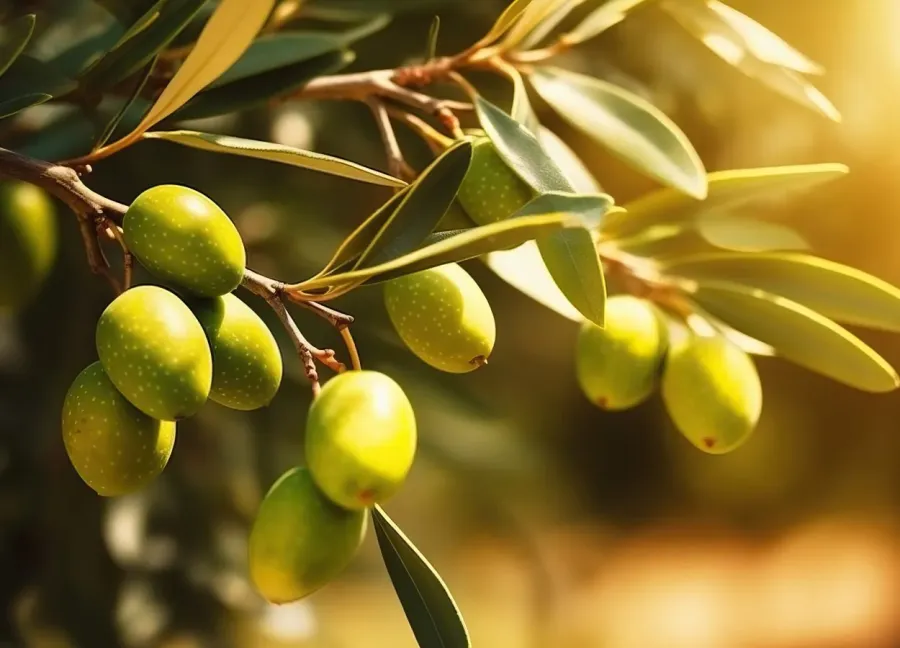
The Galega, the Cobrançosa and the Verdeal: The Portuguese Native Varieties Conquering the World
At a time when olive oil is establishing itself as one of the most studied and most highly valued foods of the Mediterranean diet, Portugal is emerging as one of the leading players in the global market.
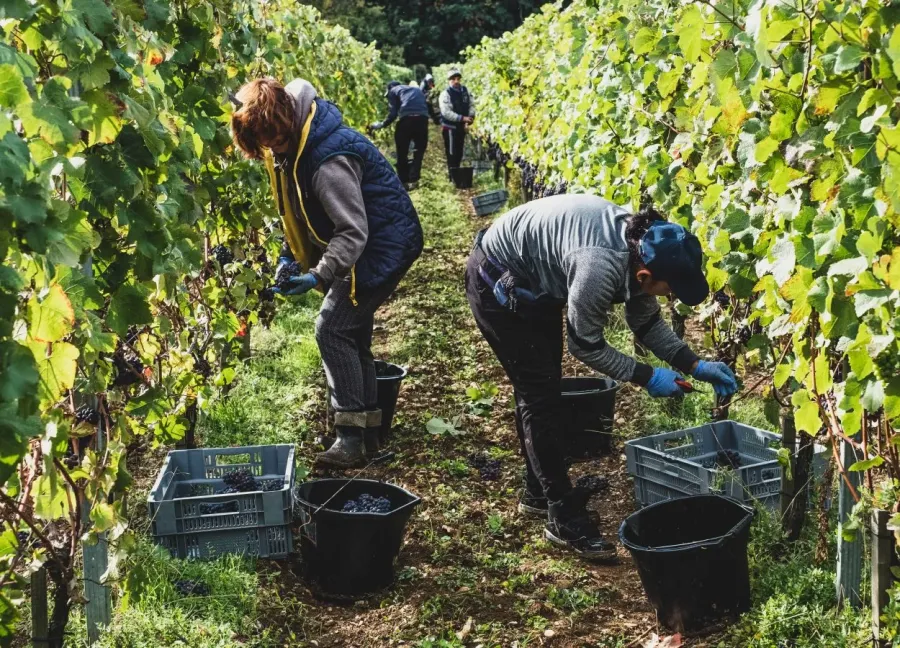
Climate change in Portuguese vineyards: what is changing and how to adapt?
In 2024, the International Organisation of Vine and Wine (OIV) recorded the lowest level of world production since 1961.

Frequently Asked Questions: Artificial Intelligence in Tourism Course
What is the aim of the AgroB Business School course on Artificial Intelligence in Tourism?