


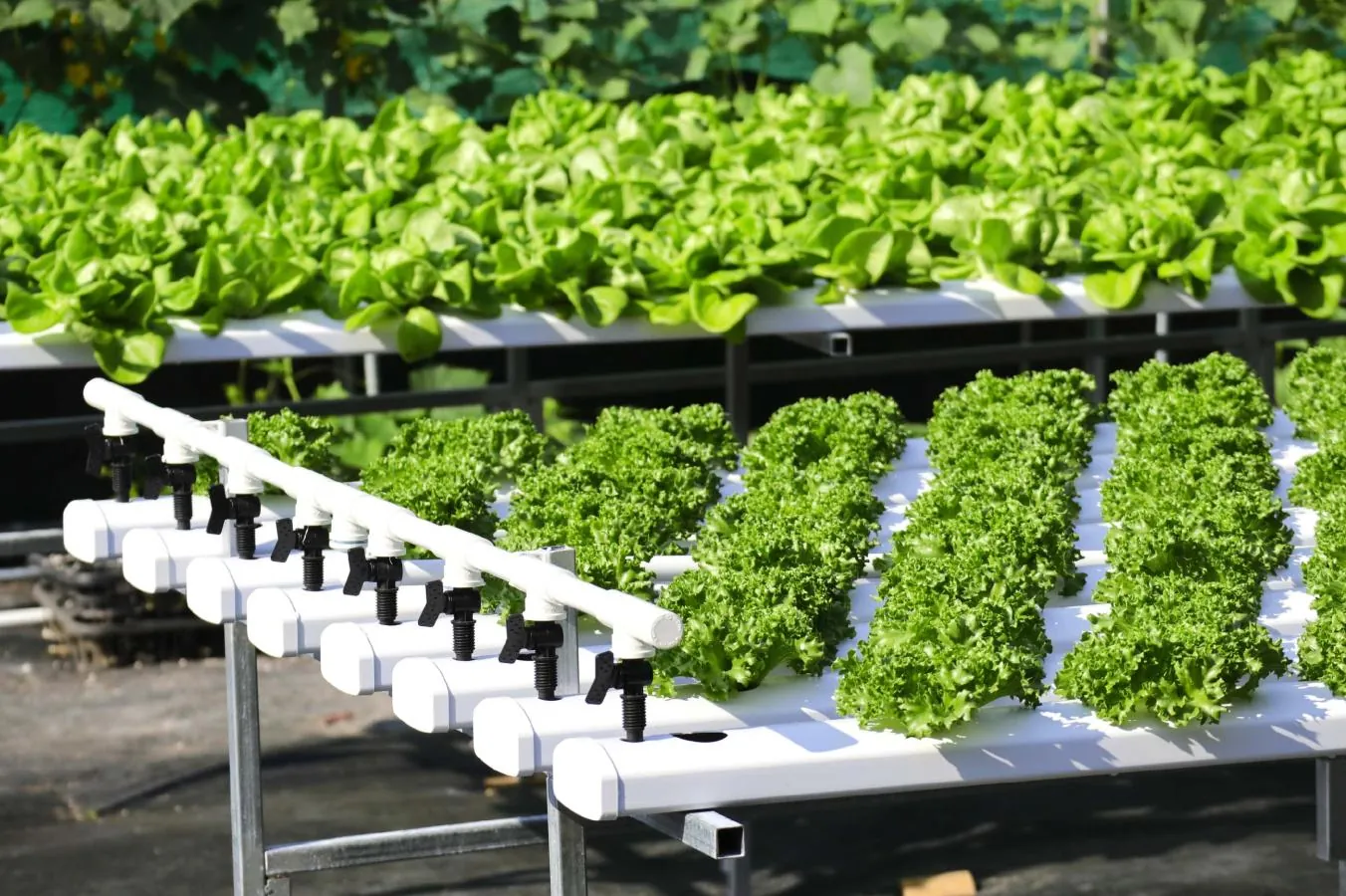
Hydroponic Systems
Hydroponic systems are soil-free growing methods in which the nutrients plants need in order to grow are supplied through nutrient solutions, precisely and continuously. There are two main strands: hydroponic and semi-hydroponic.
This growing system can be applied to:
- Vegetable growing (the most common use);
- Flower growing;
- Herbs;
- Ornamentals;
- Some fruit crops (such as passion fruit).
Hydroponic Systems
- Grown exclusively in water: NFT/NGS; aeroponics; floating systems.
- Suited to leafy crops and herbs;
- Water flows have to be analysed and accounted for;
- Requires monitoring of electrical conductivity at the inlet and outlet of the channels (NFT/NGS)
- The nutrient solution can be recycled, making it a closed circuit in which the only losses come from evapotranspiration and the plants' own consumption.
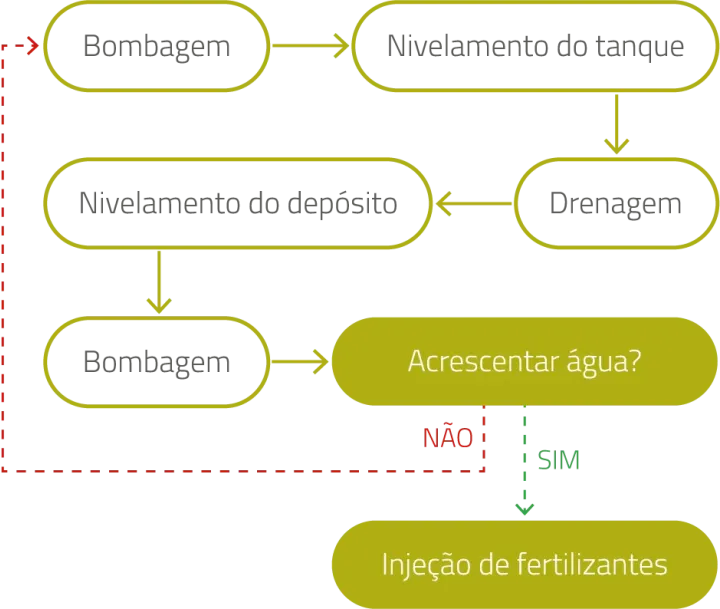
Semi-hydroponic Systems
- Grown in a solid, inert substrate: organic substrates; inorganic substrates; mixtures.
- Can be used with larger plants, since they provide a degree of support;
- The substrates are inert, that is, their composition generally has no nutritional value for the plants, which depend on the nutrient films;
- They behave differently in terms of water retention, which makes water easier to manage in drought conditions;
- They also require electrical conductivity checks.
- In these cases the nutrient solution is applied by flooding the substrate or through drip irrigation systems (the more common approach).
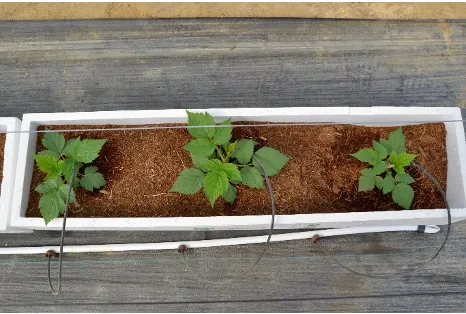
Figure: raspberries grown semi-hydroponically
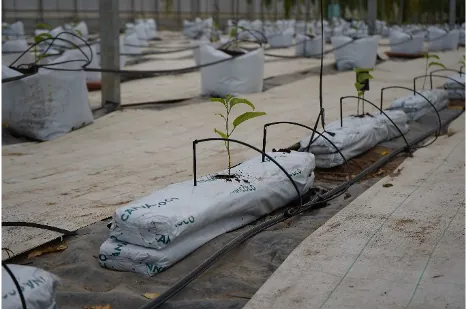
Figure: passion fruit grown semi-hydroponically
Did you know about these systems?
Tell us in the comments.
Keep exploring
The Galega, the Cobrançosa and the Verdeal: The Portuguese Native Varieties Conquering the World
At a time when olive oil is establishing itself as one of the most studied and most highly valued foods of the Mediterranean diet, Portugal is emerging as one of the leading players in the global market.
Climate change in Portuguese vineyards: what is changing and how to adapt?
In 2024, the International Organisation of Vine and Wine (OIV) recorded the lowest level of world production since 1961.

Frequently Asked Questions: Artificial Intelligence in Tourism Course
What is the aim of the AgroB Business School course on Artificial Intelligence in Tourism?