


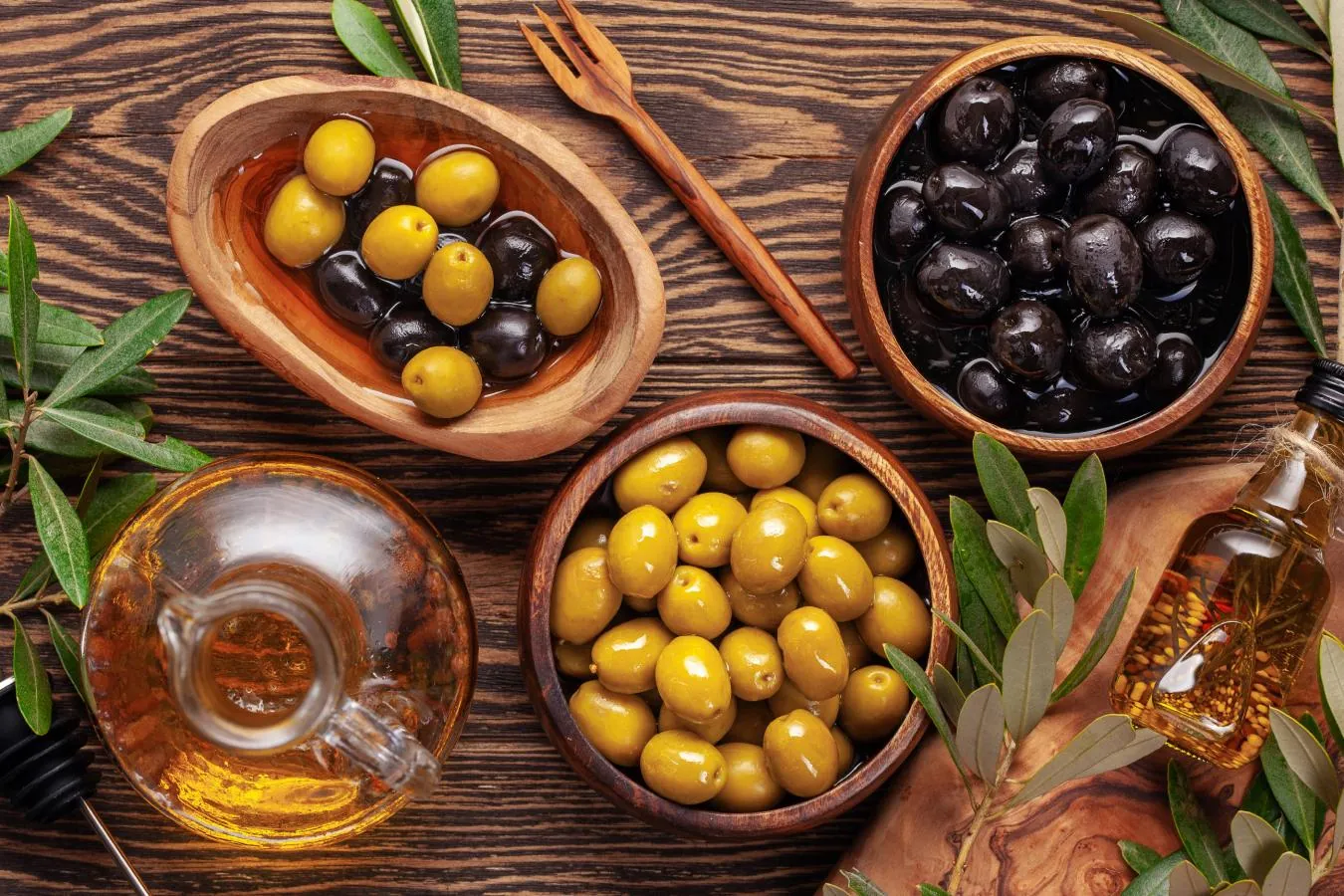
Technological Processing of Table Olives: An Introduction to Classifications and Methods
Table olives, although often perceived as a simple product, are the result of rigorous and varied technological processes. Their transformation follows specific criteria of ripeness, preparation and presentation, with a direct impact on sensory quality, food safety and market suitability.
The colour of the olive reflects its stage of physiological development:
- Green: harvested before full ripeness, they are firm and have a high phenolic content.
- Turning colour: in transition between green and ripe; they show uneven colouring.
- Black: harvested ripe or darkened by technological methods. Full ripeness results in less bitterness, higher fat content and a softer texture.
Colour influences the processing method and the subsequent fermentation and preservation conditions.
Technological classification by method of preparation
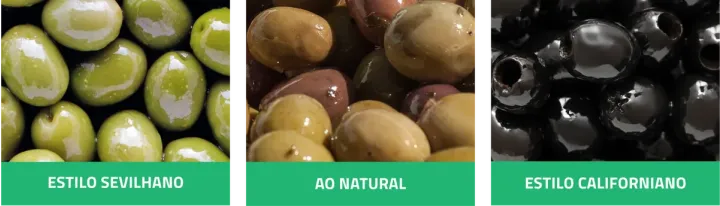
1. Treated Olives (Spanish or Sevillian style)
They undergo alkaline treatment (normally with sodium hydroxide), which brings about the hydrolysis of the oleuropein compounds responsible for bitterness. After washing, they are placed in brine, where partial or complete lactic fermentation takes place. A final acidification may be added for stabilisation.
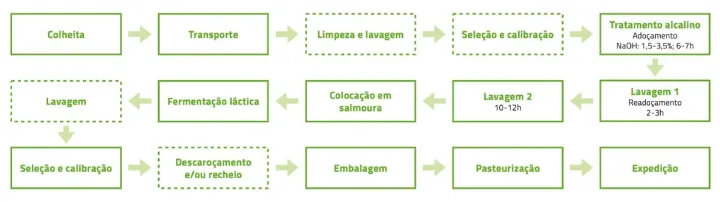
Figure: Production diagram for green olives (Sevillian style)
2. Natural Olives
Fermented directly in brine, with no prior alkaline treatment. Fermentation is spontaneous and is influenced by factors such as pH, salinity and temperature. They have a more intense flavour and a distinct phenolic profile.

Figure: Production diagram for naturally fermented olives
3. Dehydrated or Shrivelled Olives
They may or may not be treated with an alkaline solution. They are dehydrated by:
- Dry salt,
- Controlled heating,
- Combined techniques.
This process reduces water activity, giving microbiological stability and a wrinkled texture.
4. Olives Darkened by Oxidation (Californian style)
They undergo forced oxidation in an alkaline medium (generally with air or peroxides), which produces uniform darkening. After stabilisation, they are kept in brine and heat sterilised. No natural fermentation takes place.

Figure: Production diagram for oxidised black olives (Californian style)
5. Regional Specialities or Alternative Processes
These include traditional, non-standardised methods, often linked to local practices. One example is the pitted olives in acidic brine known in Trás-os-Montes as “alcaparras”.

Technological classification by method of preparation
1. Whole
With the stone intact. They may be scored or partially split to make it easier for the brine to penetrate.
2. Pitted
With the stone removed by mechanical processes. They may be: halved, quartered, in rings or slices, chopped or broken
3. Stuffed
Pitted olives filled with ingredients such as pepper, almonds, anchovy or olive paste. They require high precision in the filling and preservation processes.
4. Paste
A product obtained by grinding the flesh. It can be stabilised by acidification or pasteurisation, depending on its commercial destination.

All these methods call for technical knowledge in applied microbiology, control of fermentation processes, preservation technology, specific equipment and quality standards (e.g. the Codex Alimentarius and the standards of the IOC – International Olive Council).
This kind of expertise is essential for anyone intending to work in the table olive processing chain, whether in production units, product development, R&D or quality control.
Find out more about the subject in our course on Olive Oil and Table Olive Technology, with Professor Nuno Rodrigues of the Instituto Politécnico de Bragança.
Keep exploring
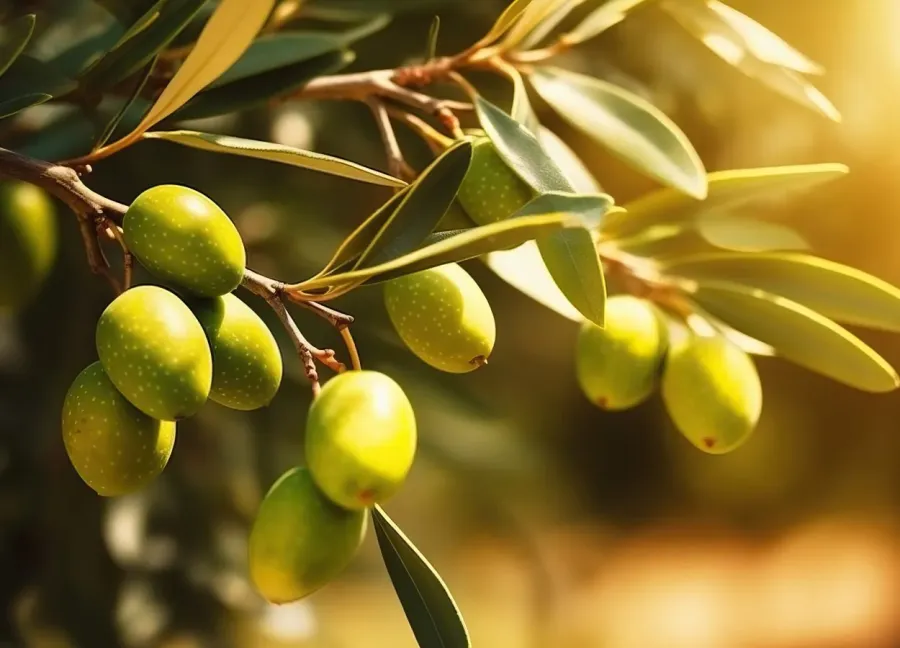
The Galega, the Cobrançosa and the Verdeal: The Portuguese Native Varieties Conquering the World
At a time when olive oil is establishing itself as one of the most studied and most highly valued foods of the Mediterranean diet, Portugal is emerging as one of the leading players in the global market.
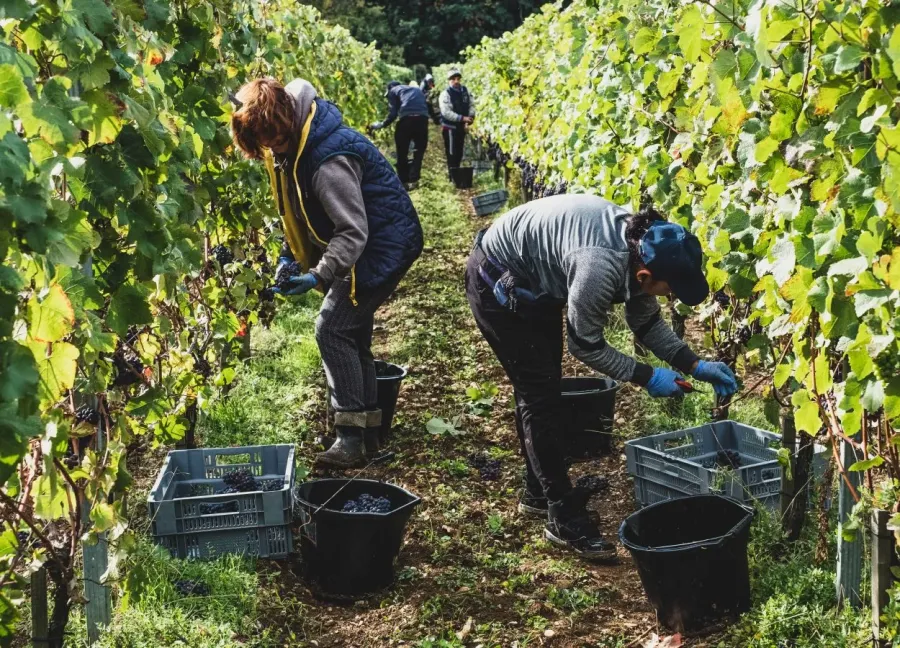
Climate change in Portuguese vineyards: what is changing and how to adapt?
In 2024, the International Organisation of Vine and Wine (OIV) recorded the lowest level of world production since 1961.

Frequently Asked Questions: Artificial Intelligence in Tourism Course
What is the aim of the AgroB Business School course on Artificial Intelligence in Tourism?