



Farming as a Profitable Business: What to Consider Before You Invest
In 2024, subsidies paid to farmers rose sharply, by 94.2%, reversing the downward trend seen in 2023, a year in which they fell by 33.3%. This growth is directly linked to the end of the multiannual financial framework, PDR 2020, and the delayed start of the new one, the Common Agricultural Policy Strategic Plan (PEPAC) for the 2023-2027 period.
Also in 2023, income from farming, in real terms and per annual work unit, rose by 8.5%, driven by a nominal increase of 31.9% in gross value added (GVA). Alongside this, modernisation measures were launched that farmers took up in force. One example is the measure financing the renewal of the agricultural tractor fleet, which approved more than 2,500 applications and involved total investment of over 80 million euros, of which 40.4 million was funded by PDR2020.
These figures confirm a trend: investing in farming is becoming an increasingly attractive option with the help of public funding from the Common Agricultural Policy (CAP). A word of caution, though: not every agricultural investment is a guaranteed success. Over the course of this article we set out the main factors to weigh up before starting a farming business, to help you take informed, strategic and lower-risk decisions.
1. Do you have the right resources?
Before going ahead, it is essential to assess the resources available, natural, financial and human alike. A mistake at this stage can undermine the viability of the whole project.
- Soil and climate: Every crop has its own requirements. Avocado, for instance, needs well drained soils and a mild climate, whereas olive groves are better suited to arid areas. Consult an agronomist with field experience for an opinion on soil quality, and use the Plataforma Digital Agroclimática from IPMA for up-to-date agroclimatic data.
- Water availability: Water scarcity is a reality in several parts of the country. Many crops will call for investment in an efficient irrigation system such as drip, but first you need to assess rigorously whether there will be enough water available for irrigation over the summer.
- Financial capacity and labour: Land improvements, establishing crops, buying equipment, farm buildings, certifications and so on represent a significant investment. Yields and revenues have to be taken into account, together with annual operating costs, and all of that plus the amortisation of the initial investment must form part of a solid, realistic financial plan. Hiring a competent, capable permanent team, and seasonal labour in sufficient number and quality, is directly responsible for delivering the numbers in that plan.
2. Do you know the market?
Before planting, you need to know who you are going to sell to. Profitable production always starts with a well executed market analysis. It is important to understand consumption trends. Consumers are ever more demanding. They value local, sustainable produce, with certifications (such as organic or integrated production) and traceable origin. These factors can be decisive in winning new markets or closing contracts with demanding buyers European Commission, 2020.
You can choose to sell your produce into the following markets:
- Large retailers and organised retail: Working with distribution chains (supermarkets, logistics platforms or wholesalers) lets you move large volumes regularly, with contracts that offer some financial predictability. This model has important drawbacks, though: the price paid to the producer is generally lower, because of the bargaining power of the large retailers and the margins required along the value chain. Strict requirements also have to be met in terms of grading, labelling, packaging, traceability and delivery deadlines. Even so, for production with scale and logistical efficiency this channel remains a viable way of keeping the business sustainable.
- Export: Portugal has been strengthening its presence in foreign markets, above all in products such as avocado, berries, nuts, olive oil and wine. Exporting can offer more attractive prices than the domestic market, but it requires: specific certifications (phytosanitary, GLOBALG.A.P., and so on); compliance with international quality rules; good logistical capacity and consistency of delivery. For those who can meet those requirements, export is an excellent opportunity for growth and added value.
- Direct sales and short supply chains: Limited in scale though they are, these remain profitable options, above all in production areas on the edge of urban or tourist zones. Weekly boxes, direct sales at local markets, online shops or partnerships with restaurants shorten the chain and add value to the produce through proximity, freshness and the story behind the product, allowing higher margins and building customer loyalty.
Whatever the channel, from producer to consumer, local, national or international, standing out is essential. Organic certification, sustainable packaging, storytelling around the farmer or the product, digital traceability processes and the like are all ways of creating value and gaining competitive advantage.
3. What does investing in farming really cost?
Farming can be highly profitable, but the planning has to be grounded in reality rather than assumption.
- Production costs: You should account for every cost: land preparation, seed, fertiliser, water, energy, labour, transport and marketing, including a contingency allowance and working capital (the money needed to balance the books while the operating result is still negative). The DGADR Agricultural Cost Simulator can help with this DGADR, 2024.
- Time to return on investment: Some crops (vegetables, for instance) pay back within a few months. Others (fruit, vines, olive groves and so on) only balance their cash flow after several years, and for the positive results to cover the annual amortisation charges on the investment, several more years have to be added.
- Risk management: Farming is vulnerable to weather events, pests, price swings and logistical problems. Protect yourself against these risks with agricultural insurance, compensation funds and good diversification of crops and markets.
4. Success stories in Portugal
A number of projects show that agricultural returns are achievable in a range of settings, provided there is proper planning, technical support and good management and accounting.
- Avocado in the Algarve: With strong foreign demand, this crop can generate returns above €10,000/ha. It does, however, demand rigorous management of water and soil [INIAV, 2023].
- Almonds in the Alentejo: With access to Alqueva water and modern irrigation techniques, this crop is attracting large investments and delivering good results [EDIA, 2023].
- Organic vegetables in the North: Small holdings selling direct (such as those supported by the PROVE project) manage to generate income with low initial investment and high customer loyalty.
Farming can indeed be a very profitable business, but it is not a path for anyone looking for immediate or guaranteed results. It demands planning, technical knowledge, adaptability and, above all, well founded decisions and the ability to assess teams, customers and suppliers.
If you are thinking of investing in farming, start by taking a rigorous look at the resources you have, the market you want to operate in and the return you can realistically expect. With a good strategy and the right technical support, agriculture can offer you not just an income but a life project with stability, purpose and a future.
At Espaço Visual, we help turn ideas into viable, sustainable businesses. We draw up the business plan with you, guide you through the funding application and stay with you at every stage from establishment to profitability.
Talk to us and take the first step with confidence.
Keep exploring
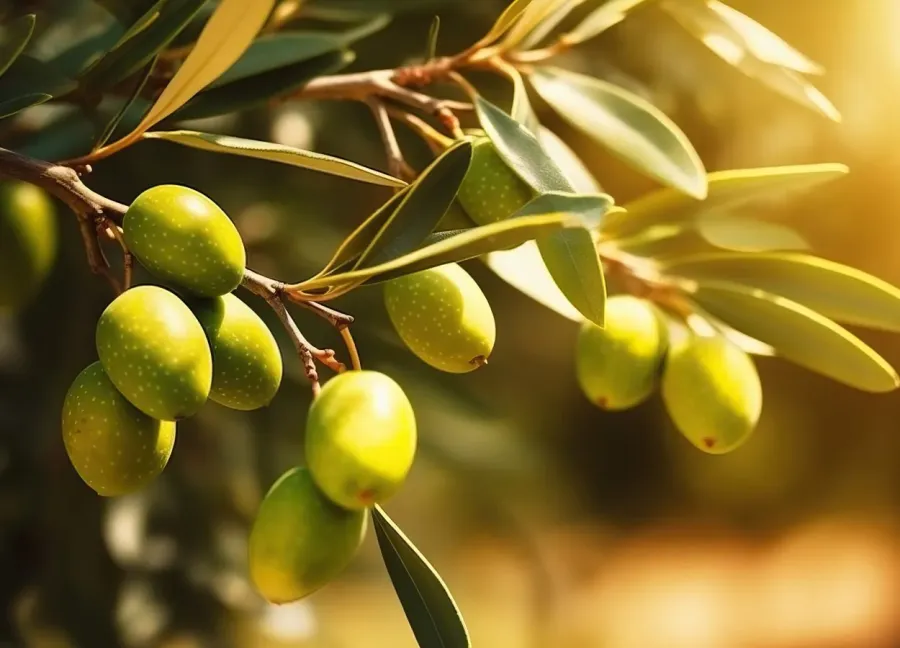
The Galega, the Cobrançosa and the Verdeal: The Portuguese Native Varieties Conquering the World
At a time when olive oil is establishing itself as one of the most studied and most highly valued foods of the Mediterranean diet, Portugal is emerging as one of the leading players in the global market.
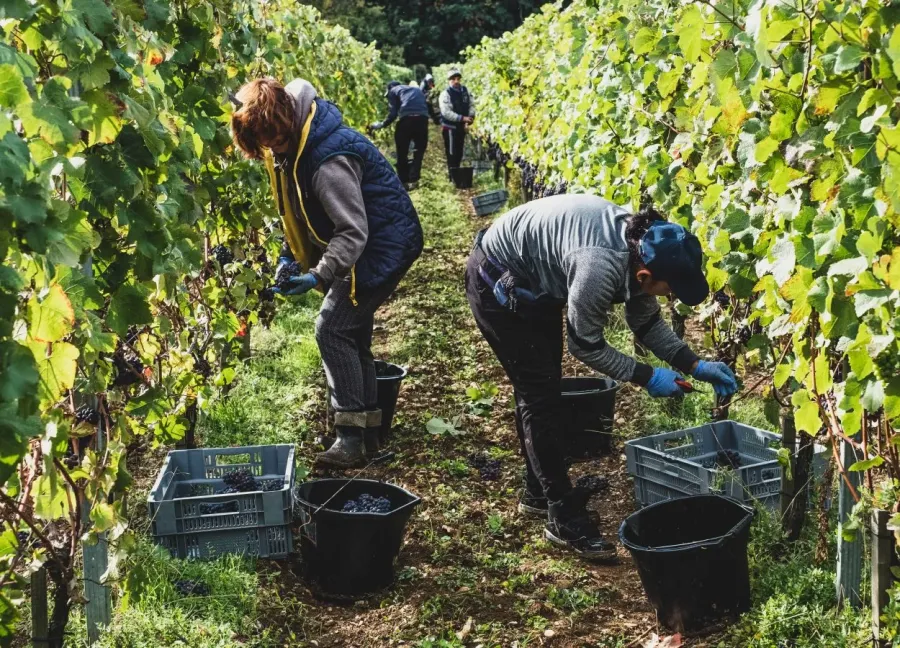
Climate change in Portuguese vineyards: what is changing and how to adapt?
In 2024, the International Organisation of Vine and Wine (OIV) recorded the lowest level of world production since 1961.

Frequently Asked Questions: Artificial Intelligence in Tourism Course
What is the aim of the AgroB Business School course on Artificial Intelligence in Tourism?