


Rural Tourism – 2024/25 Technical Visits Programme
The 5th edition of the Advanced Programme in Rural Tourism gave students an immersive experience through a series of technical visits to benchmark tourism properties in Portugal. These visits offered a first-hand look at good practice in management, sustainability and the enhancement of cultural heritage, all essential to authentic, high-quality rural tourism.
Casa de Mogofores
The visits began on 2 November at Casa de Mogofores, in Anadia. This first contact with the field gave participants a privileged view of how a project that combines rural tourism with wine tourism works, including a visit to Adega Campolargo. During the visit, the group explored estate management practices, sustainability strategies and ways of adding value to local heritage. The experience brought home the importance of authenticity and differentiation in the sector.

Figure: The vineyards of Casa de Mogofores

Figure: Visit to Adega Campolargo

Figure: The Advanced Programme in Rural Tourism group at Casa de Mogofores
Paço de Calheiros
On the second technical visit, students were welcomed at Paço de Calheiros, an emblematic property that combines tradition and innovation in the way it manages its tourism business. This visit took place as part of the Sustainability and Tourism module and was led by Cristina and Francisco Calheiros, who shared the strategies they have put in place to face the sector's challenges and promote more sustainable tourism. The experience was a rewarding demonstration of how it is possible to preserve history and, at the same time, guarantee the economic viability of a tourism property.

Figure: Paço de Calheiros
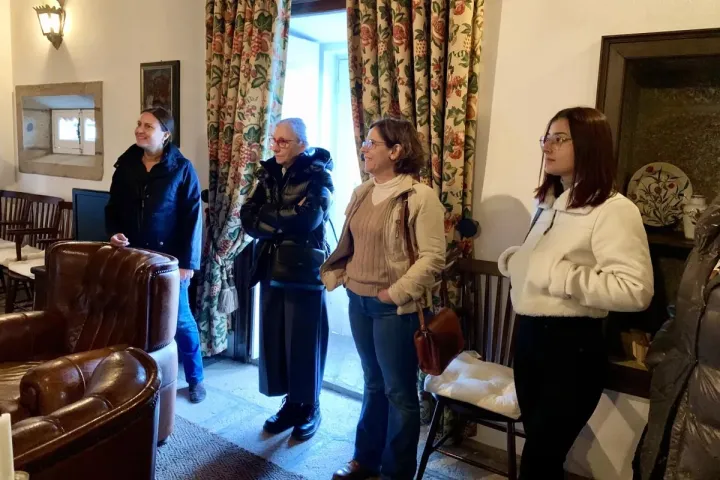
Figure: Visit to the interior of the Paço de Calheiros accommodation

Figure: The Advanced Programme in Rural Tourism group at Paço de Calheiros
Casa de Alfena
Third came a visit to Casa de Alfena, in Póvoa de Lanhoso, guided by the architect Manuel de Sousa. With more than two decades of activity behind it, this property is a remarkable example of the restoration and upkeep of traditional rural architecture. Students learned about the history and the challenges of this Turismo de Habitação property, as well as the site's strong links to Portuguese filigree work. The visit to the museum housed in the former jewellery workshop highlighted the relationship between tourism and the preservation of cultural and craft heritage.

Figure: Visit to the interior of the Casa de Alfena accommodation

Figure: Time together by the pool at Casa de Alfena
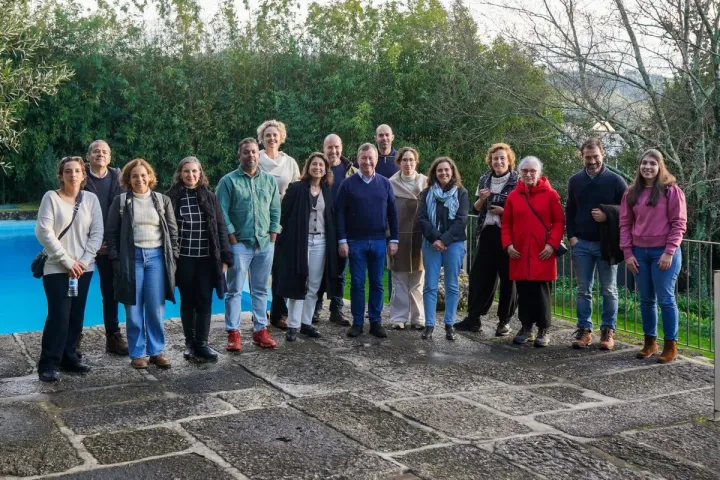
Figure: The Advanced Programme in Rural Tourism group at Casa de Alfena
Casa de Juste
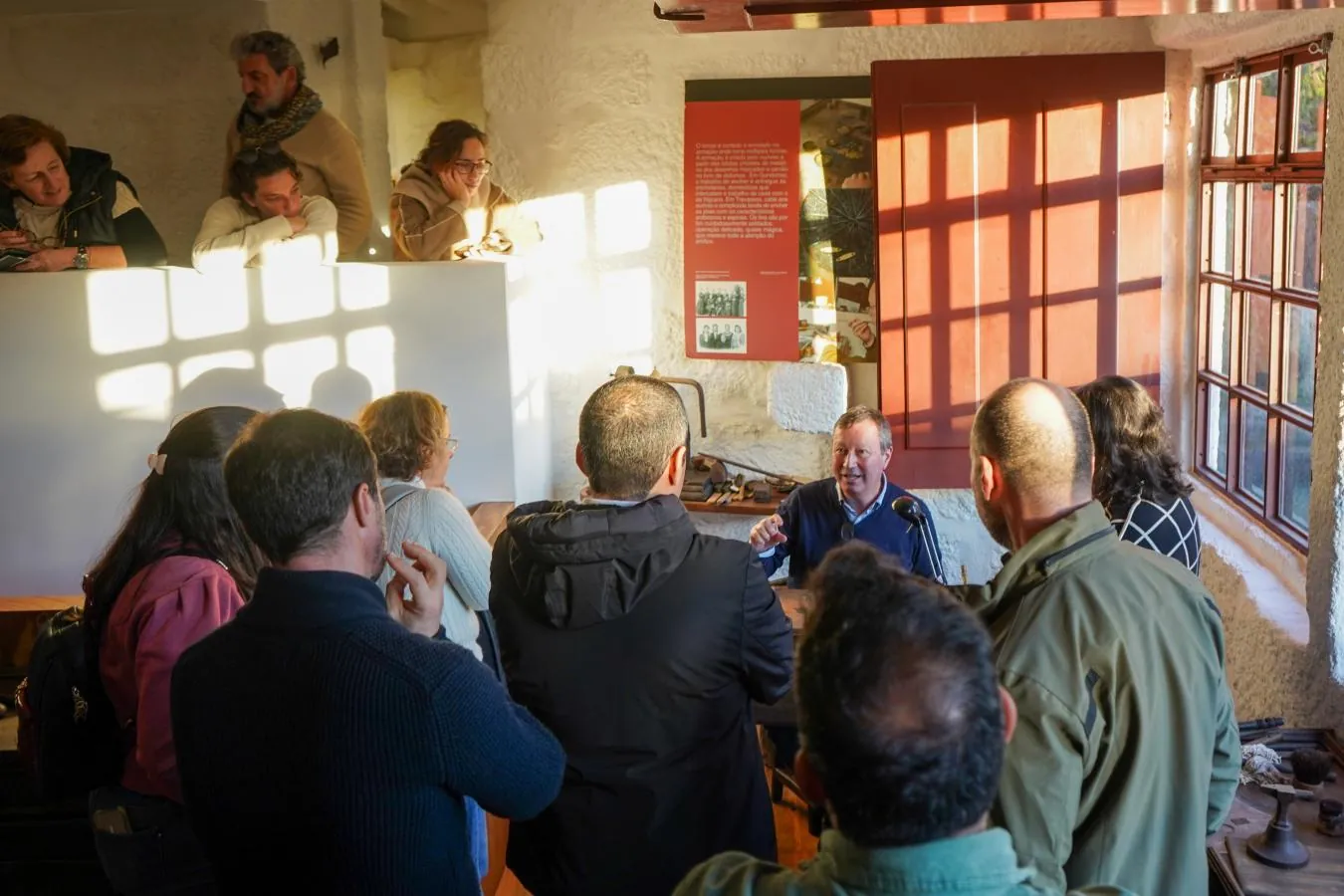
The technical visits programme came to a close on 8 February at Casa de Juste, rural accommodation of great historic and architectural value. Participants had the chance to go behind the scenes at a property that stands out for its historic gardens and its strong artistic component. Alongside an immersive experience of local history and tradition, students were able to taste and buy home-made produce, an example of how celebrating authentic flavours can complement a tourism offer.
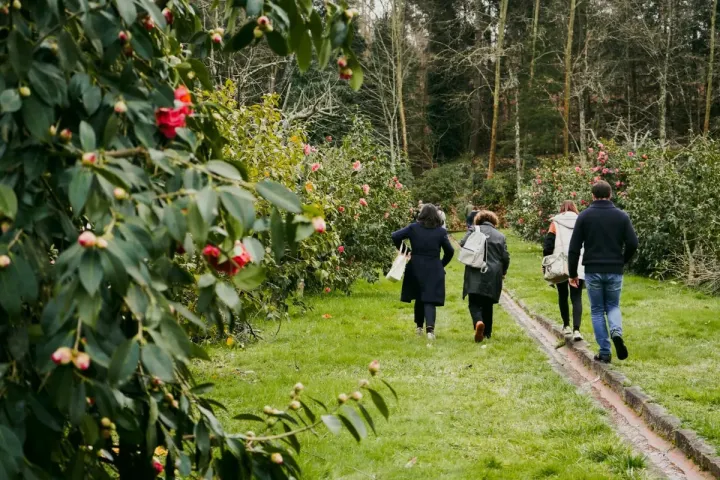
Figure: Visit to the historic gardens of Casa de Juste

Figure: Afternoon tea with produce from the estate and local products

Figure: The Advanced Programme in Rural Tourism group at Casa de Juste
Through these visits, students on the Advanced Programme in Rural Tourism came into direct contact with different business models, challenges and solutions in the sector. This hands-on approach strengthens learning, offering inspiration and knowledge they can apply to projects of their own.
The visits showed how important it is to preserve the authenticity of rural tourism while adopting innovative and sustainable strategies. Throughout, it was clear that every property has its own unique identity, and that this is the key to differentiation and success in the sector.
The Advanced Programme in Rural Tourism remains a benchmark in training professionals for tourism that is more sustainable, more rewarding and in step with market trends.
AgroB extends its heartfelt thanks to all the properties that welcomed us with open arms and gave our students such valuable and inspiring experiences. The dedication and generosity of every host helped to enrich this course and made each visit a unique learning opportunity.
Our thanks also go to the students and course coordinators, for the enthusiasm and interest they showed throughout, reflecting the true spirit of growth and innovation in rural tourism.
Keep exploring
The Galega, the Cobrançosa and the Verdeal: The Portuguese Native Varieties Conquering the World
At a time when olive oil is establishing itself as one of the most studied and most highly valued foods of the Mediterranean diet, Portugal is emerging as one of the leading players in the global market.
Climate change in Portuguese vineyards: what is changing and how to adapt?
In 2024, the International Organisation of Vine and Wine (OIV) recorded the lowest level of world production since 1961.

Frequently Asked Questions: Artificial Intelligence in Tourism Course
What is the aim of the AgroB Business School course on Artificial Intelligence in Tourism?