


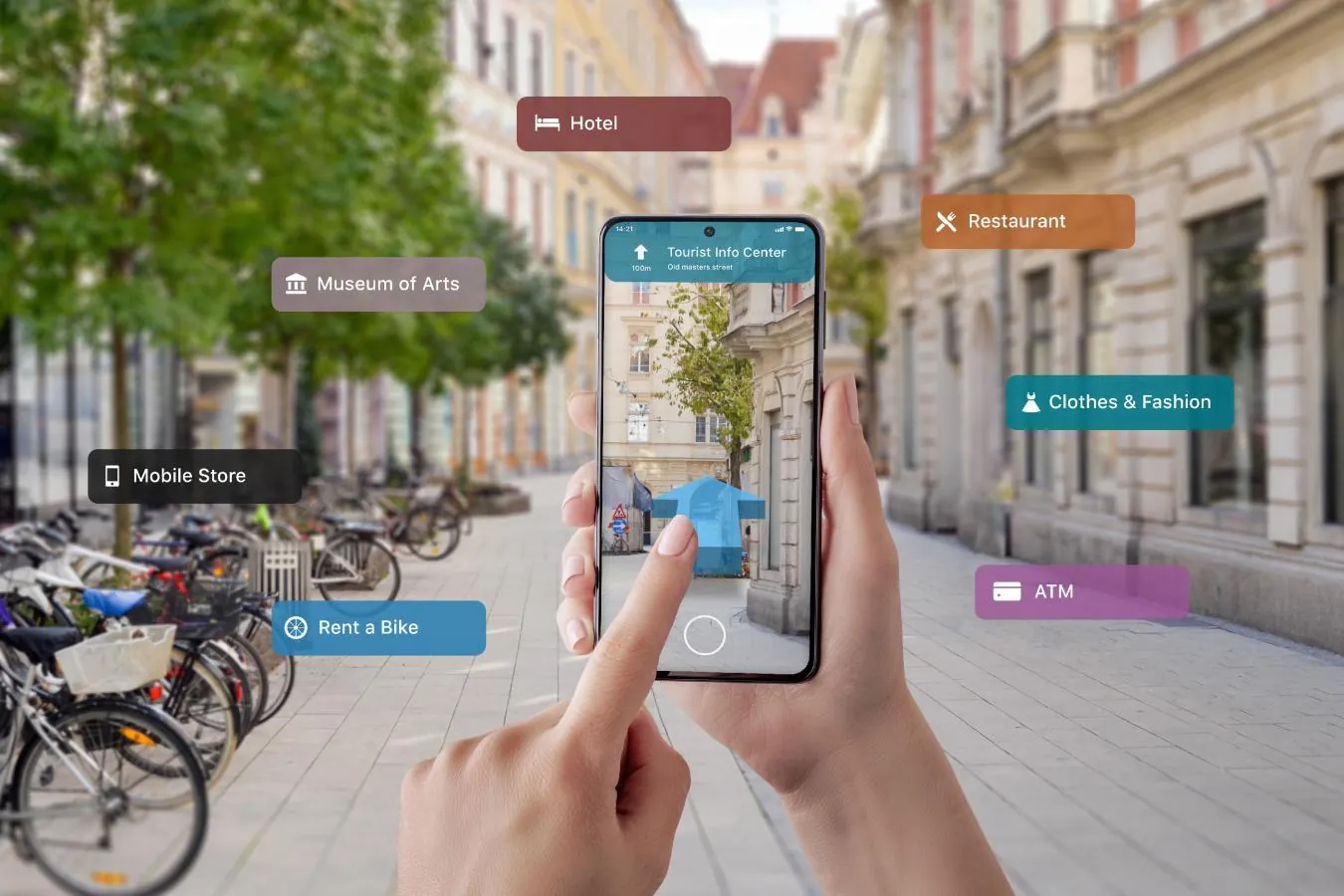
Digital Transformation and Its Impact on Tourism
Digital transformation has revolutionised a number of sectors, and tourism is no exception. As digital technologies have evolved, companies in the sector have been adopting innovative solutions that improve the customer experience and streamline operational processes. In this article we look at the main trends in the adoption of digital technologies in the tourism market and at their impact.
1. Mobile First/Only
With the growth in the use of mobile devices, many tourism businesses have adopted a "mobile first" or even "mobile only" approach. That means much of the service offering is built to be accessible and usable on smartphones and tablets.
- Digital check-in and check-out;
- Room service through apps;
- Door control from a mobile phone.
One example of a hotel chain using this technology is Disneyland Paris, which allows check-in up to 7 days in advance. See it here!
These solutions make things more convenient for travellers, with faster and more secure processes.
2. The Internet of Things (IoT)
The IoT connects smart devices to one another, making guests' experiences more comfortable and more personal.
- Smart rooms that adjust temperature and lighting automatically;
- The use of beacons (small devices that emit Bluetooth Low Energy (BLE) signals to communicate with smartphones and other nearby devices) to deliver personalised information based on the guest's location;
- Voice assistants that make requests and enquiries easier.
These technologies not only improve the guest experience, they also increase the operational efficiency of the property.
3. Data Analytics
Data analysis has become essential for tourism businesses, giving them a much deeper understanding of customer behaviour.
- Recording and analysing customer data;
- Purchase history and preferences;
- Tailoring the offer to the consumer profile.
Armed with this information, properties can offer experiences better matched to what tourists need, increasing satisfaction and loyalty.
4. Virtual and Augmented Reality
Virtual reality (VR) and augmented reality (AR) are transforming the way travellers explore destinations before they even set off.
- Virtual tours of properties;
- Virtual trips to tourist sites;
- Immersive 3D stories and experiences.
One example of this technology in use in Portugal is the Tivoli Hotel, which offers an immersive experience through a 3D virtual tour, allowing you to see the location and the interior of the hotels. See it here!
These technologies help tourists make better-informed decisions and set realistic expectations of their experience.
5. Chatbots and Generative Artificial Intelligence (GenAI)
Automating customer service through chatbots and generative AI has been gaining ground in the tourism sector.
- Automated handling of bookings and enquiries;
- Real-time virtual assistance;
- Better customer service through instant answers.
This cuts waiting times and improves the quality of customer service, making it more efficient and more accessible.
6. RPA and Automation
Robotic Process Automation (RPA) has been introduced to streamline administrative processes, reducing errors and increasing productivity.
- Automated booking processing;
- Managing and responding to complaints;
- Automated reporting and audits.
With automation, companies can devote more time to serving customers and improving their experience, guaranteeing a more efficient, higher-quality service.
Digital transformation is redefining the tourism sector, bringing innovations that improve the traveller's experience and increase companies' operational efficiency. Adopting these technologies allows for a service that is more personal, more accessible and more efficient, making tourism more dynamic and better prepared for the future. For businesses in the sector, being at the forefront of digitalisation is essential to staying competitive and offering memorable experiences to their customers.
Do you know of another property using one of these technologies?
Tell us in the comments!
Keep exploring

The Galega, the Cobrançosa and the Verdeal: The Portuguese Native Varieties Conquering the World
At a time when olive oil is establishing itself as one of the most studied and most highly valued foods of the Mediterranean diet, Portugal is emerging as one of the leading players in the global market.
Climate change in Portuguese vineyards: what is changing and how to adapt?
In 2024, the International Organisation of Vine and Wine (OIV) recorded the lowest level of world production since 1961.

Frequently Asked Questions: Artificial Intelligence in Tourism Course
What is the aim of the AgroB Business School course on Artificial Intelligence in Tourism?