


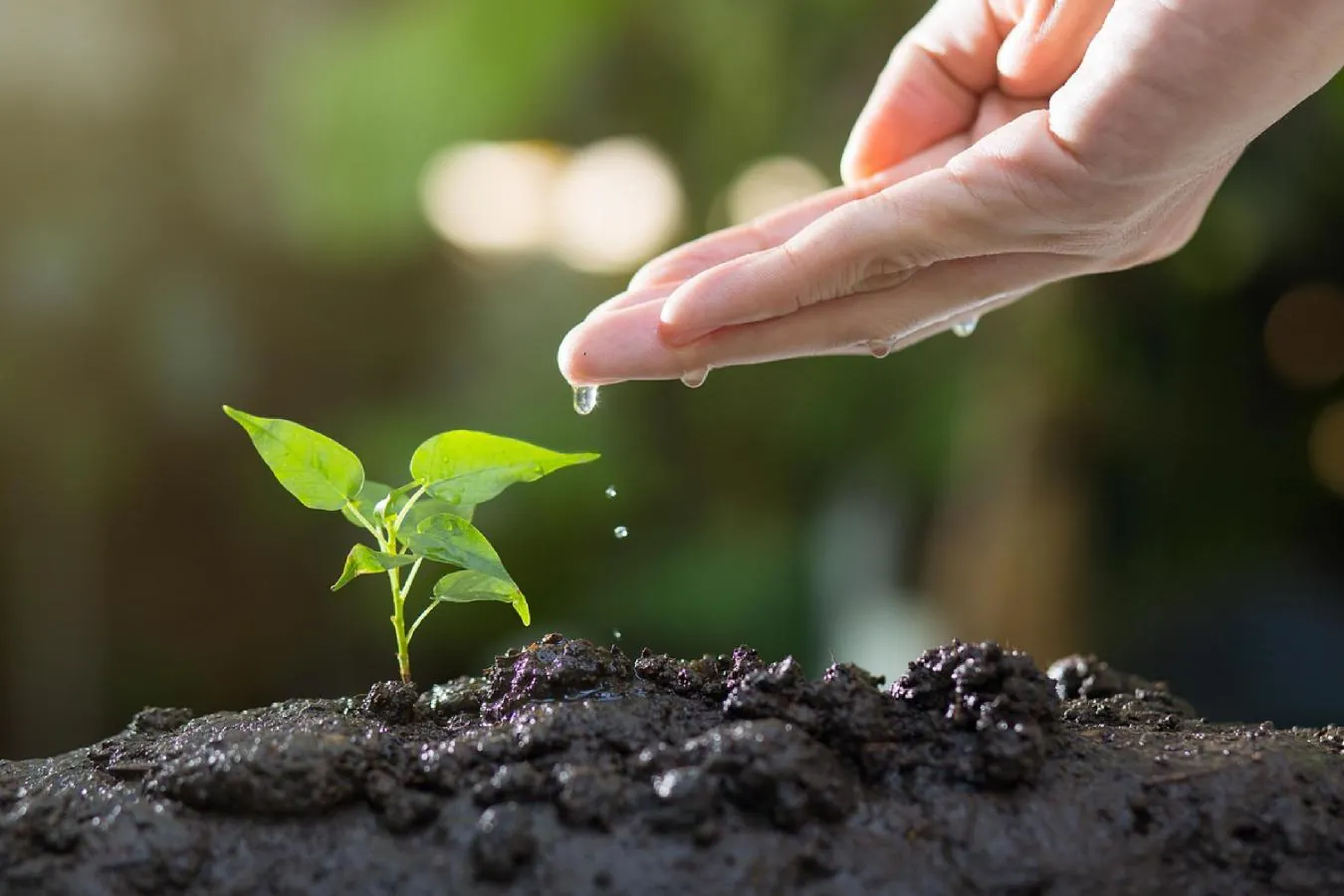
Factors of agricultural production
Factors of production are the essential inputs businesses use to generate goods and services. In the farming context, growers need to be able to remunerate each of these factors properly if they are to create value and wealth.
Managing and using the factors of production correctly is decisive for the success of any farm. Traditionally, they are grouped into three main categories: land, labour and capital. More modern approaches also recognise the role of the entrepreneur, of technology and of farm inputs (such as fertilisers, seed, pesticides and other production materials) as additional factors that directly influence output (energy, fuel). Using these resources efficiently and sustainably is crucial to the long-term viability of the farm.
This article focuses on the three main categories.
Categories of factors of production
1. Land
Land is the fundamental primary factor and is essential to any farming activity. In practical terms it includes:
- Crop and livestock soil
- Areas set aside for buildings and infrastructure
- Mineral resources
- Natural elements such as air and water
In the farming sector, access to land is one of the greatest challenges, especially for young farmers. Owning the land is not enough, however; it is crucial to ensure that the soil has the conditions needed for efficient production, such as fertility, availability of water and a strategic location.
When land is assessed for farming purposes, several factors must be considered:
- Size of the holding (small or large areas and how close the parcels are to each other);
- Irrigation systems and the associated infrastructure;
- Agricultural suitability, which covers soil type, slope, solar exposure and other factors.

2. Labour
Labour in agriculture is not simply a question of hours worked, but of when that work is done and what knowledge is needed to do it. Experience built up over generations matters, but modern technical training is also a crucial element of success.
Although some young farmers may come from fields not directly linked to agriculture, the innovation they bring can make all the difference to modernising the sector. Agriculture nonetheless tends to resist change, which makes the work of young farmers all the more important, since they play a vital part in adopting new tools and methods. Modernisation in agriculture is essential and serves to:
- Improve the quality of production;
- Reduce working time;
- Cut production costs.
Another relevant aspect of the agricultural workforce is family labour. Work carried out by family members is often not formally accounted for, which can lead to real production costs being underestimated. When the holding is formalised under a legal structure, however, cooperation between family members and neighbours is better organised, and labour is managed along structured business lines.
Pay in agricultural work
Pay in the farming sector can vary according to a number of factors, such as the worker's level of qualification, the responsibility attached to the role, length of service and productivity. Pay is a direct reflection of the effort, expertise and efficiency of the tasks performed, and is essential to attracting and retaining skilled labour in the sector.
Annual Work Unit (AWU)
The AWU is a standard measure for quantifying labour in agriculture. In Portugal, one AWU corresponds to 1,920 hours a year, equivalent to 240 working days of 8 hours. This indicator is useful for calculating the amount of labour required on different types of holding and helps optimise the management of human resources.

3. Capital
Capital is another factor of production that is crucial to agriculture and, in this context, falls into two categories:
Land capital
This refers to the resources tied directly to the land and is long-term, more stable capital. It can be broken down into:
-
Land and natural water (such as boreholes and wells): the farmland and the water resources belonging to the holding.
- Important: if you intend to use existing boreholes or wells, it is essential to ensure they are properly licensed before applying for support.
-
Improvements: works carried out on the property to increase its productivity, including:
- Land improvements: interventions in the soil that make farm work easier;
- Plantings: investment in permanent crops such as vineyards or orchards;
- Infrastructure: construction of stores, greenhouses and irrigation systems.
Working capital
Beyond land capital, farms also require investment in machinery, equipment and technology, which make it possible to raise productivity and optimise the use of resources. This capital is essential for modernising the holding, reducing operating costs and improving product quality.

Which of these factors do you consider most important to the success of a farm?
Tell us in the comments!
Keep exploring
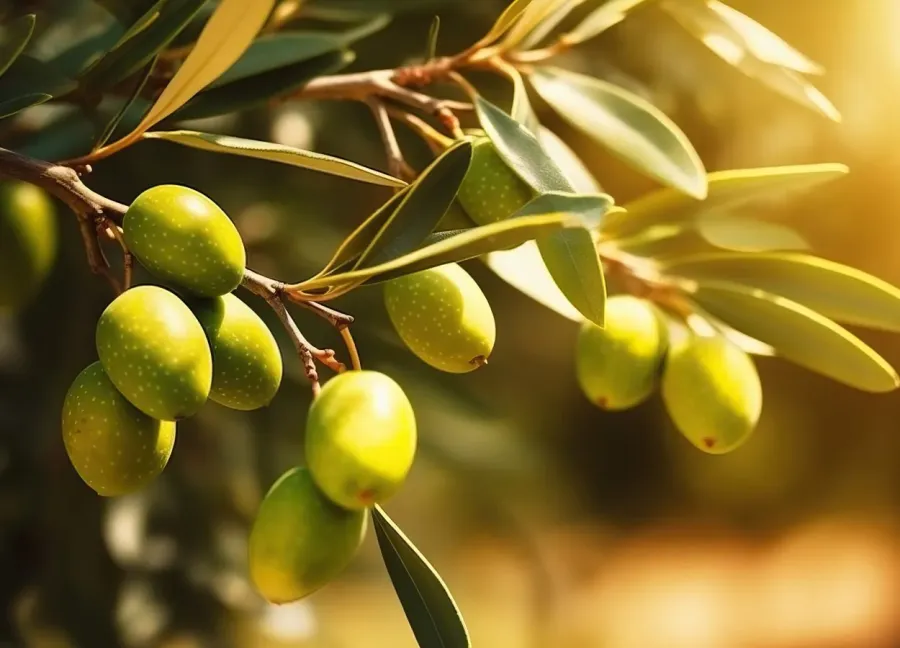
The Galega, the Cobrançosa and the Verdeal: The Portuguese Native Varieties Conquering the World
At a time when olive oil is establishing itself as one of the most studied and most highly valued foods of the Mediterranean diet, Portugal is emerging as one of the leading players in the global market.
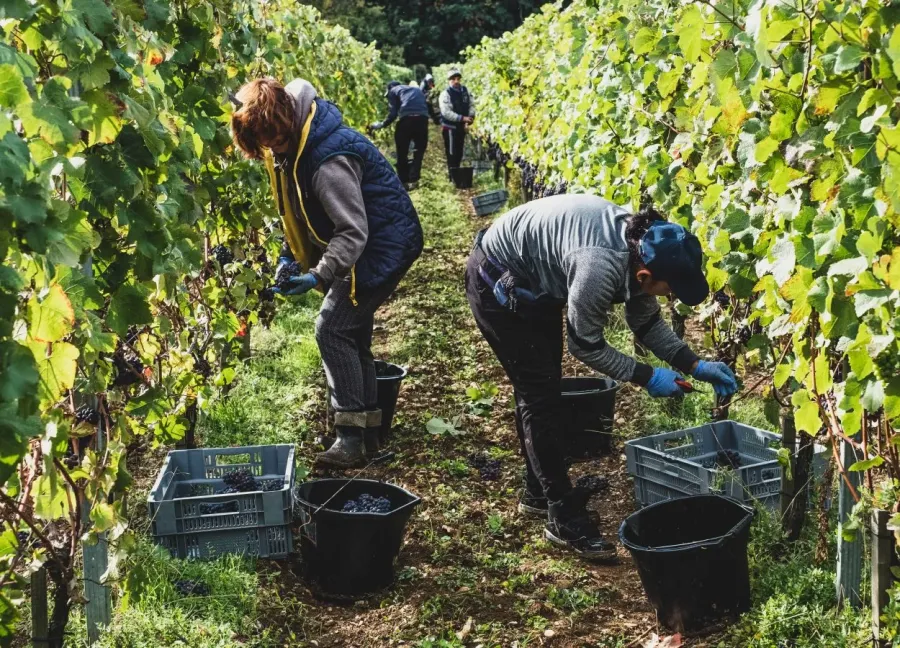
Climate change in Portuguese vineyards: what is changing and how to adapt?
In 2024, the International Organisation of Vine and Wine (OIV) recorded the lowest level of world production since 1961.

Frequently Asked Questions: Artificial Intelligence in Tourism Course
What is the aim of the AgroB Business School course on Artificial Intelligence in Tourism?