


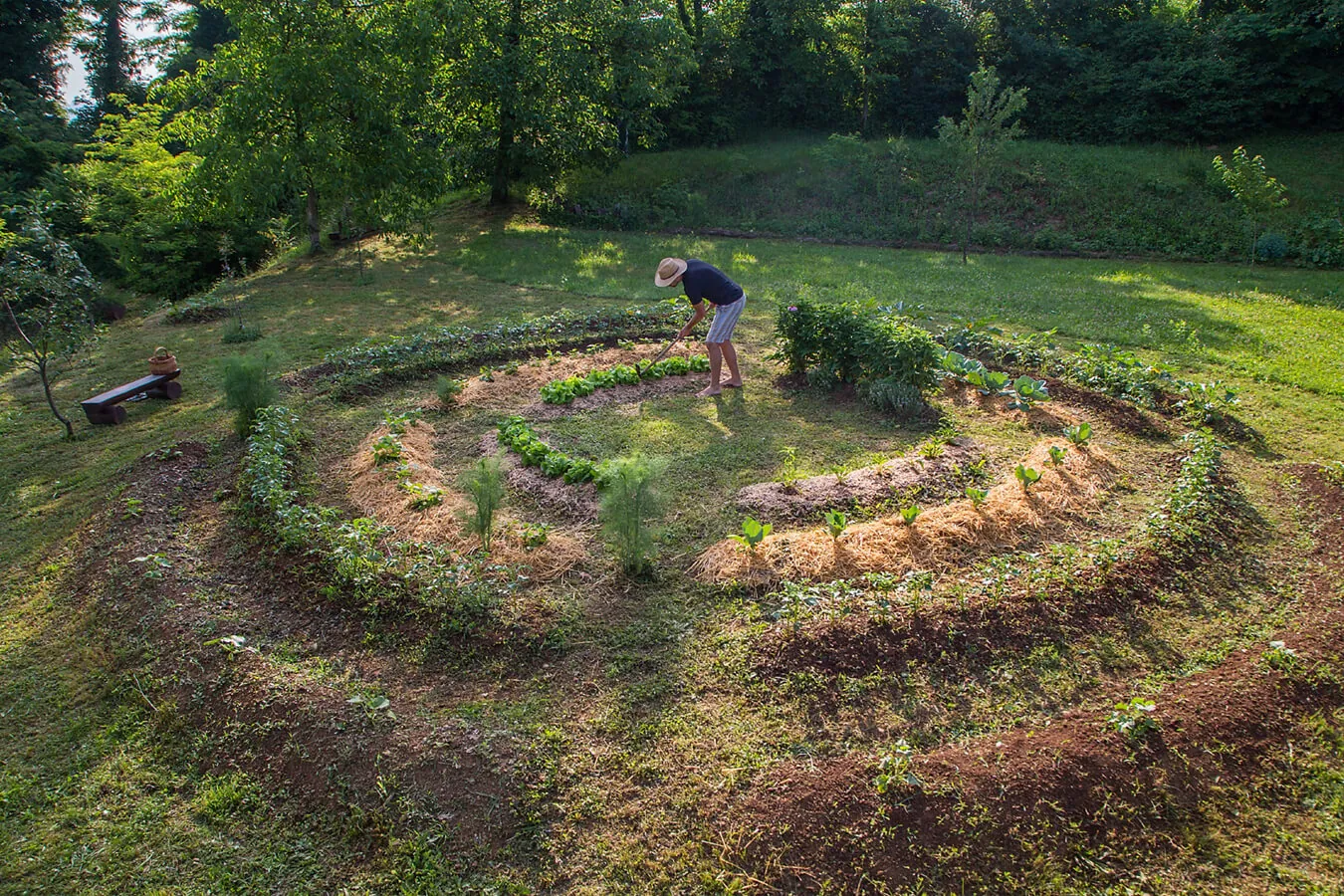
Permaculture
Permaculture is a way of producing food that takes its name from the phrase “permanent agriculture”. The aim is for people to work with nature and never against it.
The term appeared in the 1970s and was coined by Bill Mollison and David Holmgren. The movement began to take shape when Mollison and Holmgren published the book “Permaculture One” in 1978, setting out the fundamental principles and practices of this approach.

It is governed by 3 ethics and 12 design principles
The 3 ethics of permaculture:
- Care for the earth;
- Care for people;
- Care for the future.
The 12 design principles:
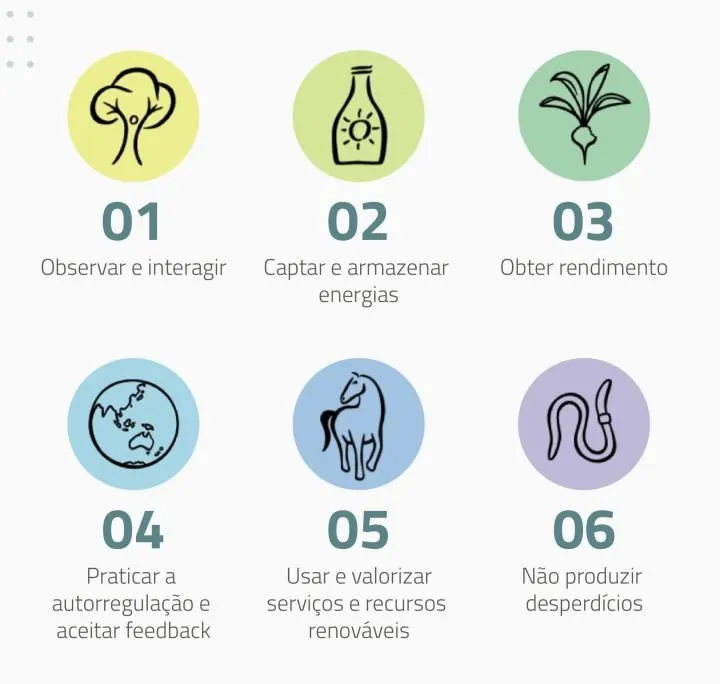
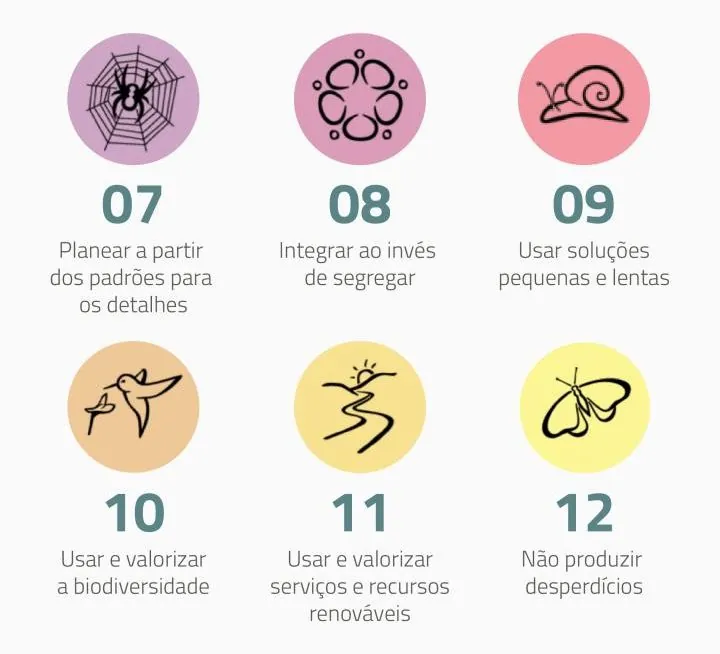
Permaculture consists of producing food through planning that aims at a dynamic and sustainable relationship between people and the environment.
This beneficial relationship is achieved by replicating patterns and characteristics found and observed in nature.
It favours cultural practices and techniques that protect and regenerate the environment:
- Use of organic fertilisers;
- Making use of waste;
- Soil cover (mulching);
- Promoting crop diversity;
- Reducing soil tillage;
- Use of rational grazing;
- Agroforestry systems.
Would you like to know more about the principles of permaculture?
Discover our course Introduction to Permaculture and Design.
Keep exploring
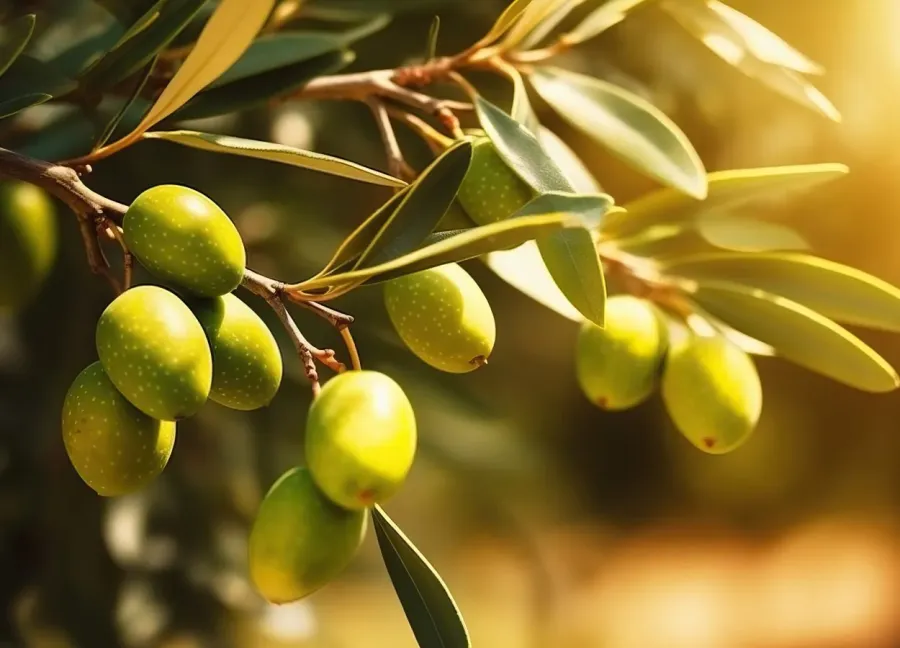
The Galega, the Cobrançosa and the Verdeal: The Portuguese Native Varieties Conquering the World
At a time when olive oil is establishing itself as one of the most studied and most highly valued foods of the Mediterranean diet, Portugal is emerging as one of the leading players in the global market.
Climate change in Portuguese vineyards: what is changing and how to adapt?
In 2024, the International Organisation of Vine and Wine (OIV) recorded the lowest level of world production since 1961.

Frequently Asked Questions: Artificial Intelligence in Tourism Course
What is the aim of the AgroB Business School course on Artificial Intelligence in Tourism?