


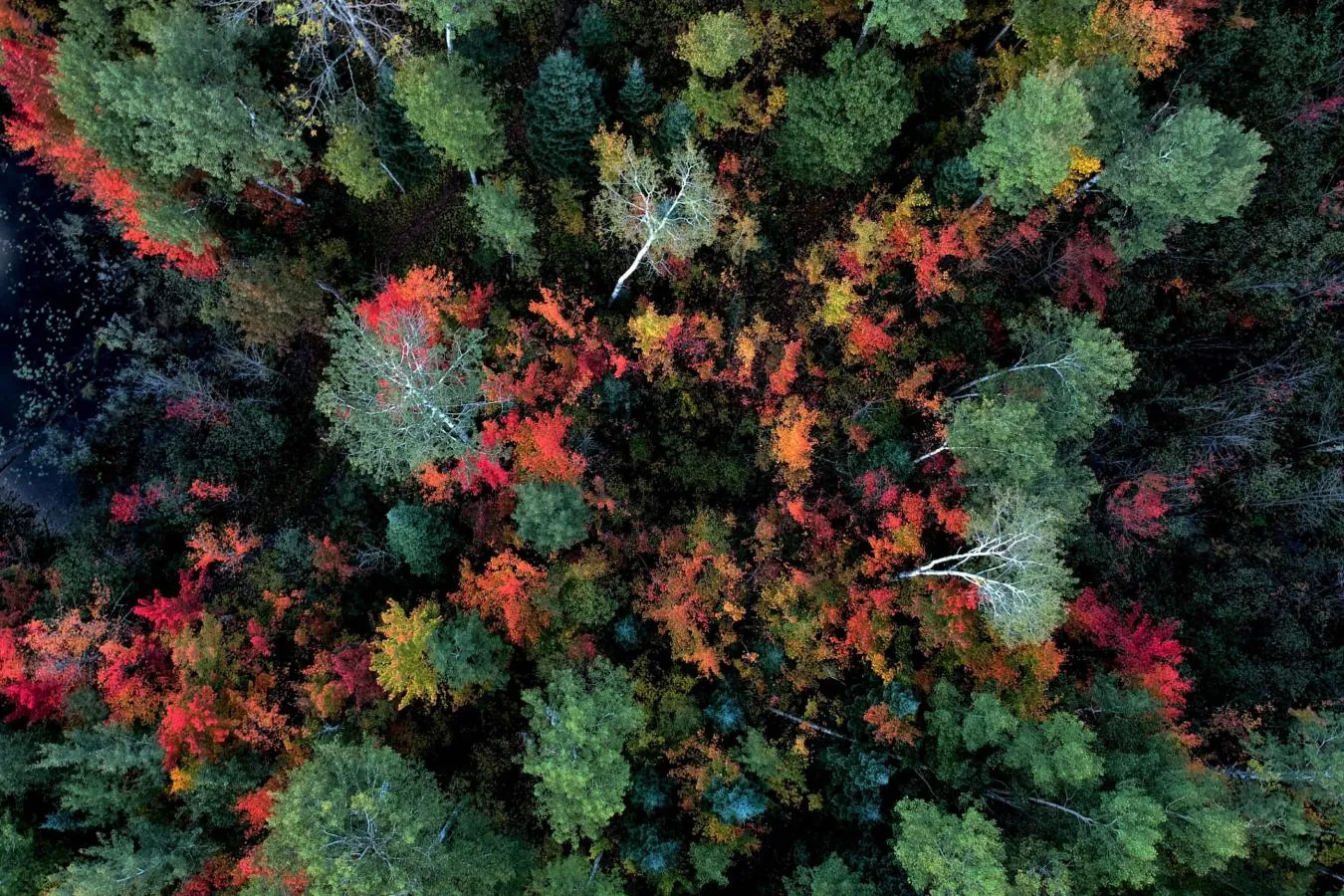
Forests and Grazing for Wildfire Prevention
The prolonged summer aridity of recent years has been producing more frequent and more intense forest fires in countries with a Mediterranean climate.
Management failings, poor forestry planning and poor adaptation to demographic conditions, together with today's economic and social expectations, are perhaps the biggest culprits behind fires in the Portuguese forest.
Abandoned forest landscapes have turned into dense woodland, with an excessive build-up of shrub biomass and fine fuels such as leaf litter, pine needles and beds of dry branches, which leaves those forests highly prone to burning.

Hence the need for a forest conversion approach known as "close-to-nature silviculture".
Silviculture models should give priority to 3 aspects:
- The use of naturally occurring tree species capable of guaranteeing sustainability;
- Diversity in the rural mosaic, which helps prevent large fires from spreading and allows predominantly pastoral areas to alternate with smaller patches of forest;
- Multifunctional use of pastoral forest landscapes, allowing sustained production of regional products with high market value backed by reliable certification processes.
Source: "Regresso ao Futuro" – Florestas e Pastoreio para a Prevenção de Incêndios em Clima Mediterrânico", Jorge Capelo (INIAV/CIBIO, U. Porto)
Did you enjoy this post?
Tell us in the comments!
Keep exploring
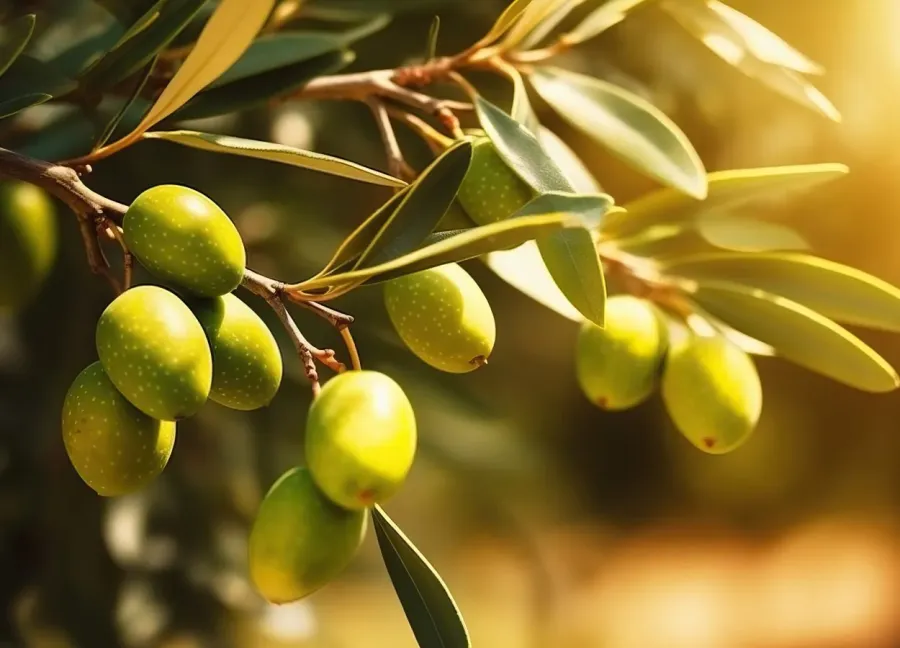
The Galega, the Cobrançosa and the Verdeal: The Portuguese Native Varieties Conquering the World
At a time when olive oil is establishing itself as one of the most studied and most highly valued foods of the Mediterranean diet, Portugal is emerging as one of the leading players in the global market.
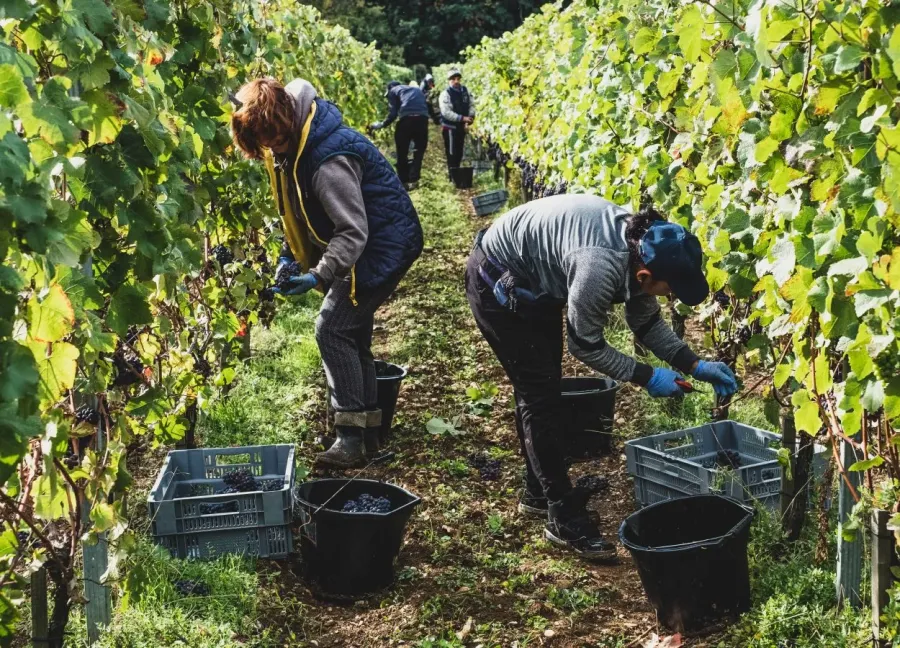
Climate change in Portuguese vineyards: what is changing and how to adapt?
In 2024, the International Organisation of Vine and Wine (OIV) recorded the lowest level of world production since 1961.

Frequently Asked Questions: Artificial Intelligence in Tourism Course
What is the aim of the AgroB Business School course on Artificial Intelligence in Tourism?