


Kiwifruit Harvesting: Good Practice
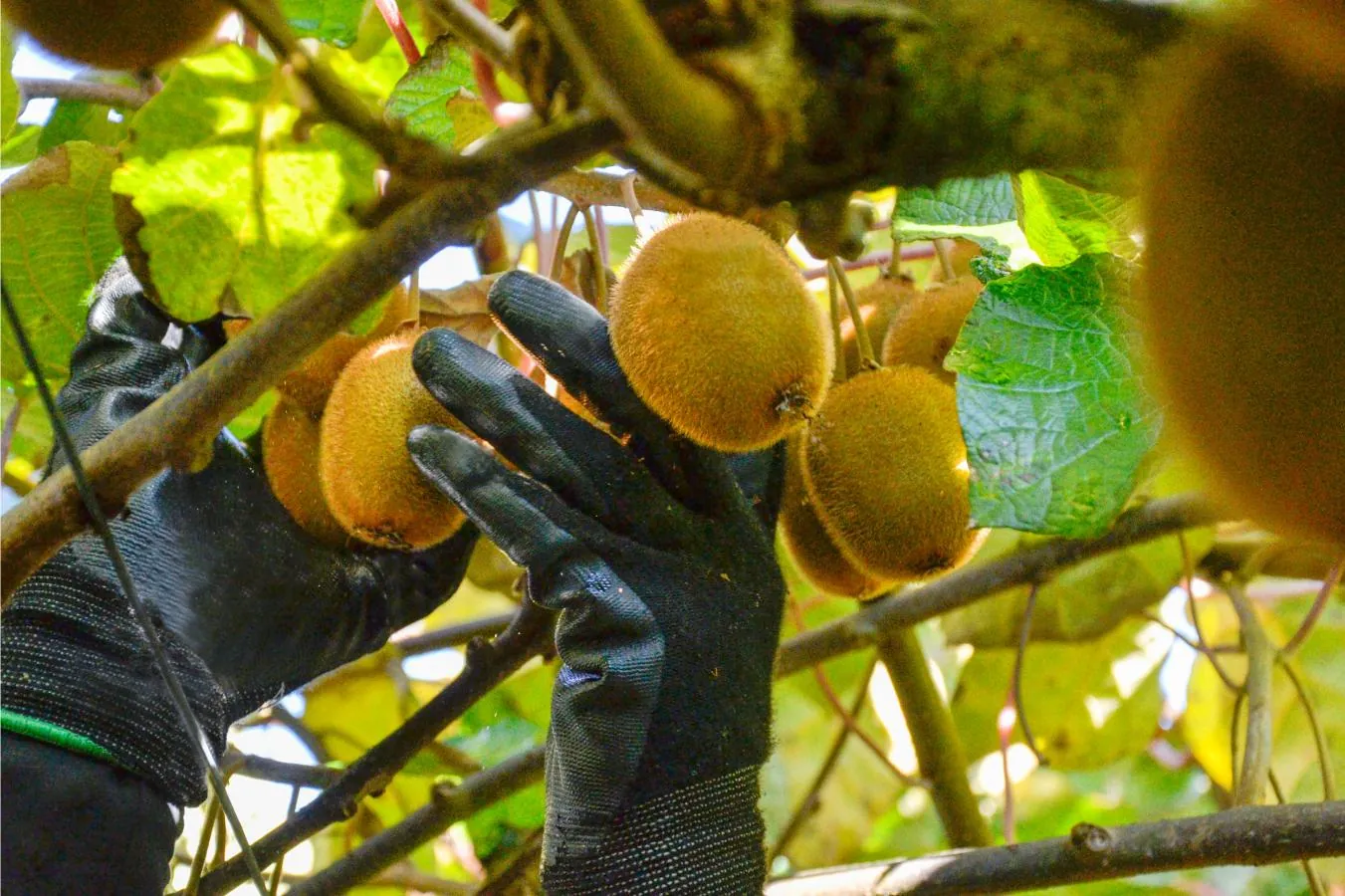
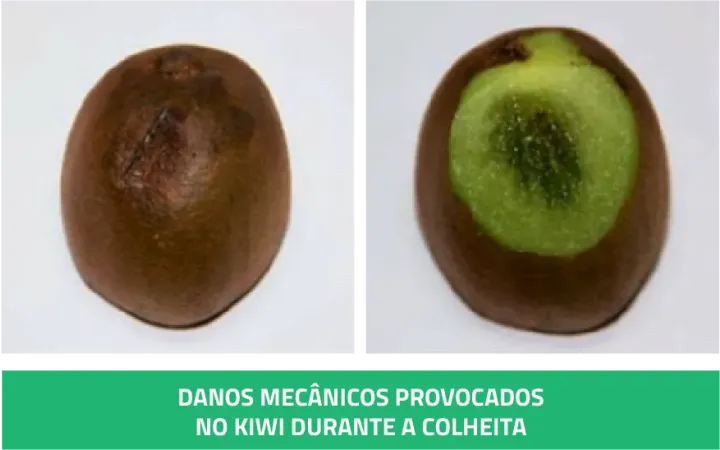
Harvesting kiwifruit is a crucial stage in the production process, because the final quality of the fruit depends on how it is handled at that moment. The fruit should be picked by hand, carefully, to avoid damage to the skin and the flesh. Such damage can compromise the appearance and market value of the fruit, as well as affecting how long it keeps in storage.
Considerations by variety
Green and Yellow Kiwifruit
The fruit must be pulled off the stalk. Harvesting should begin by detaching the fruit directly from the stalk. The stalk should never be left attached to the fruit, as this can speed up ripening, which is a problem if the aim is to store the fruit for longer or transport it over long distances. Kiwifruit should be picked at its ideal point of maturity, which is when the flesh is firm but not hard.
Arguta Kiwifruit
Arguta kiwifruit, a smaller and softer variety, can be harvested in two ways: one option is to pick the fruit one by one, or else to cut a whole shoot as if it were a fruiting cluster. In the latter case, scissors are used to cut the stalk of each fruit, separating them carefully. This technique saves time, but demands extra care to avoid damaging the fruit.
Care during harvesting, transport and storage
The most advisable way to harvest the fruit is with picking bags, with cross-over straps and side panniers, into which the fruit is placed carefully from a height that is not too great.
Once the bags are full, the fruit should be tipped into bins with a capacity of between 150 and 350 kg. These large containers help to prevent compression damage during transport. Using suitable bins also makes it easier to move the kiwifruit to the storage site.
After harvesting, the bins are carried on trailers to the packhouse. If the bins have been placed on the ground, they should be washed before being stacked, to prevent soil residues from falling onto the bins at the bottom.
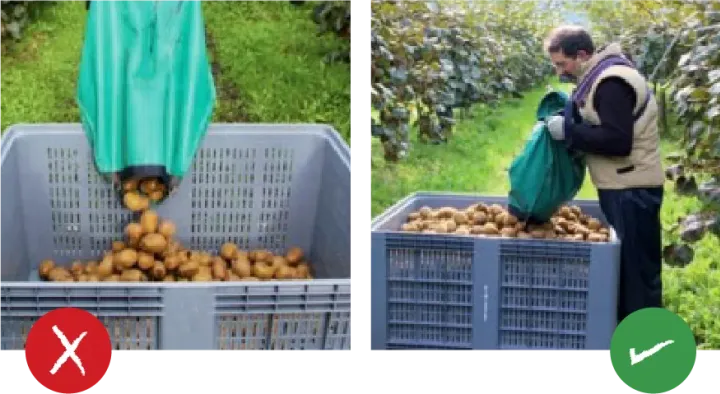
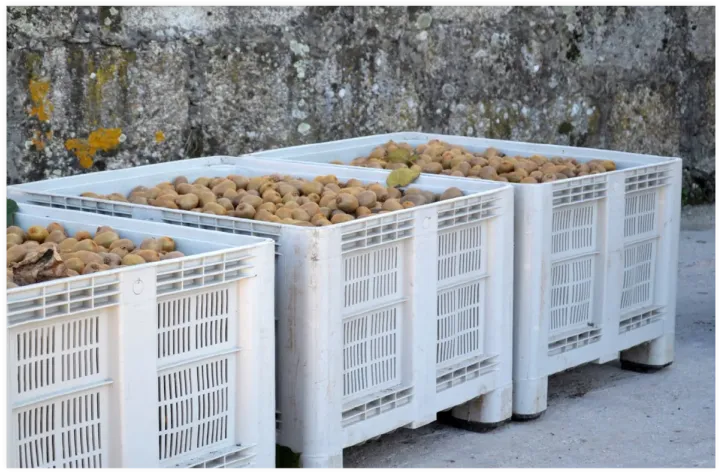
Figure: Bins for transporting kiwifruit from where it is picked to the storage site
Before the fruit is taken to the packhouse, it is essential that the grower identifies each batch properly, noting the plot of origin, the batch and the harvest date. This is especially important for growers certified under GlobalGAP, who must maintain strict quality control and traceability of their produce.
The fruit should be delivered to the packhouse on the day it is picked or, at the latest, the following day, to ensure it arrives in perfectly fresh condition.
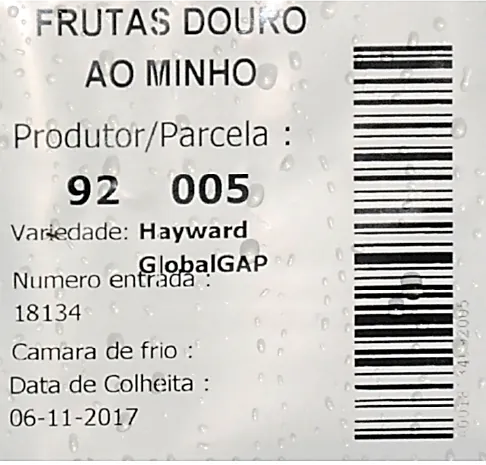
Figure: Example of an identification label on a bin. Note that in this case the grower holds GlobalGAP certification.
Harvesting kiwifruit by hand calls for patience and care to ensure the fruit keeps its quality and value. From the use of appropriate picking techniques through to the care taken in transport and storage, every stage plays a crucial part in making sure the end consumer receives a high-quality product.
Are you a kiwifruit grower?
Tell us about the biggest difficulties you face at harvest time!
Keep exploring
The Galega, the Cobrançosa and the Verdeal: The Portuguese Native Varieties Conquering the World
At a time when olive oil is establishing itself as one of the most studied and most highly valued foods of the Mediterranean diet, Portugal is emerging as one of the leading players in the global market.
Climate change in Portuguese vineyards: what is changing and how to adapt?
In 2024, the International Organisation of Vine and Wine (OIV) recorded the lowest level of world production since 1961.

Frequently Asked Questions: Artificial Intelligence in Tourism Course
What is the aim of the AgroB Business School course on Artificial Intelligence in Tourism?