


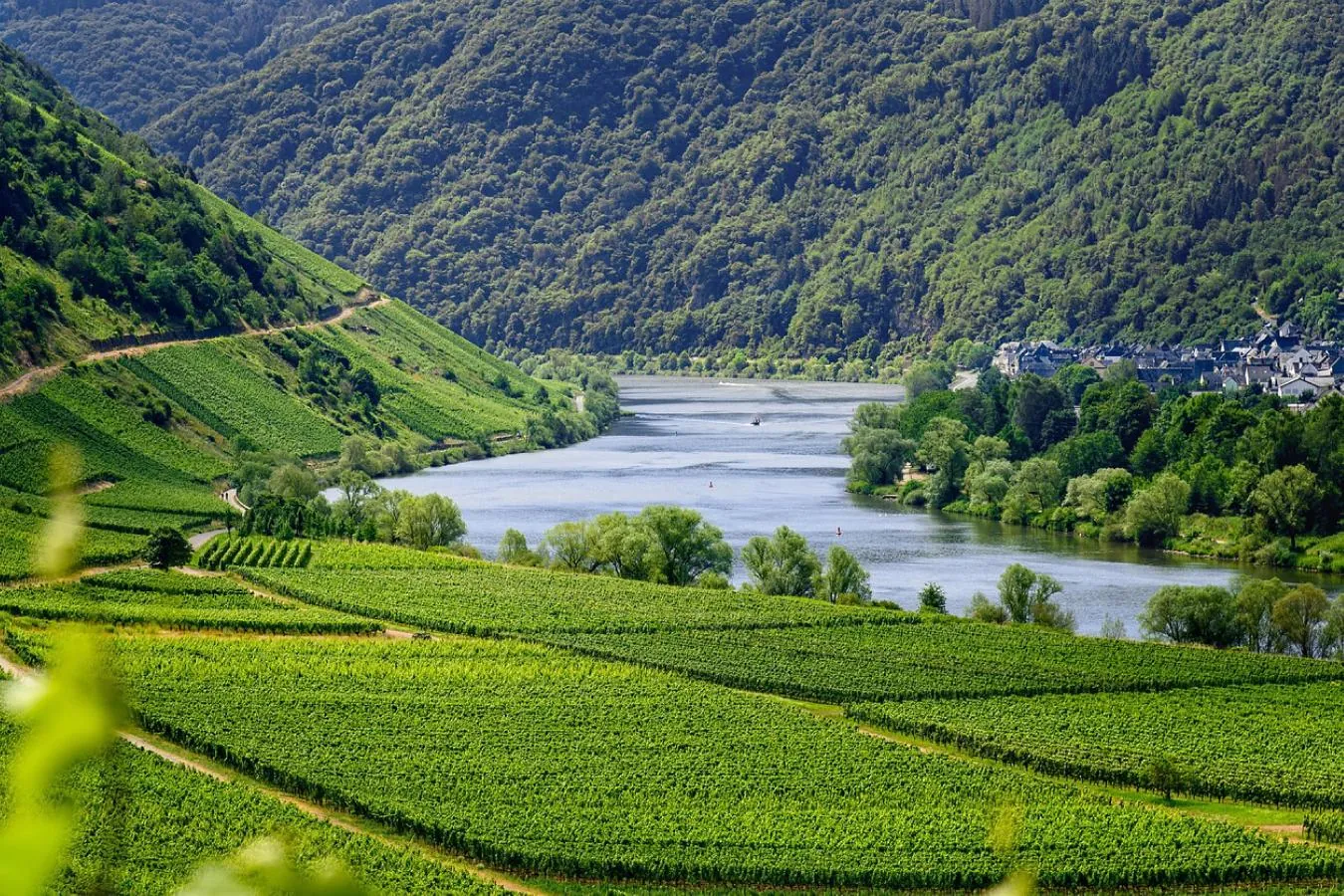
Rural Tourism in Portugal: Valuing Natural and Cultural Heritage
Rural tourism is a form of tourism that promotes the natural, cultural and scenic heritage of rural areas, taking in activities such as food, crafts, folklore, traditional games, hunting, fishing and themed routes. This type of tourism is often run by small family businesses and is an important way of diversifying the economy of these regions.
Rural tourism businesses fall into three broad categories: Turismo de Habitação (historic house accommodation), Alojamento Local (local accommodation) and Turismo em Espaço Rural (TER, rural tourism proper).
TER stands out for being exclusively rural, with several subcategories such as agritourism, where guests can take part in farming activities, and country houses, which preserve the traditional architecture of the region. Village tourism and rural hotels also form part of this category, offering authentic experiences in these settings. Turismo de Habitação and local accommodation, meanwhile, although they may be located in urban areas, also contribute to rural tourism when they are housed in historic or traditional buildings within these regions.

Turismo de Habitação Paço de Calheiros, Ponte de Lima
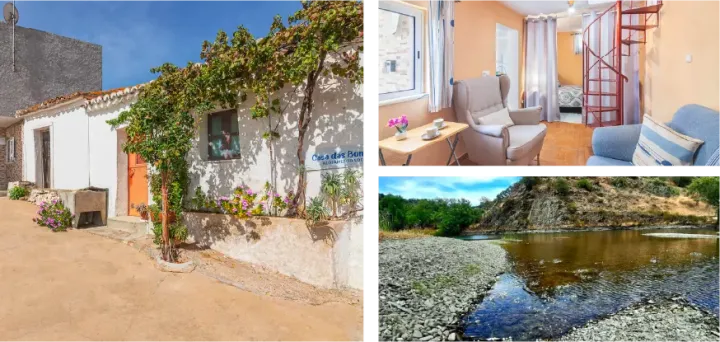
Local accommodation Casa das Bonecas, Alcoutim
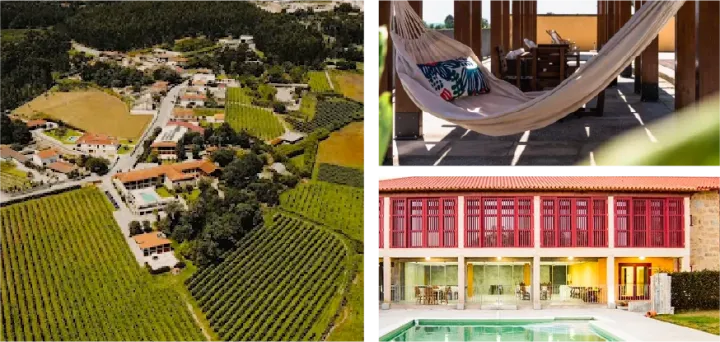 Agritourism Casa Lata, Amares
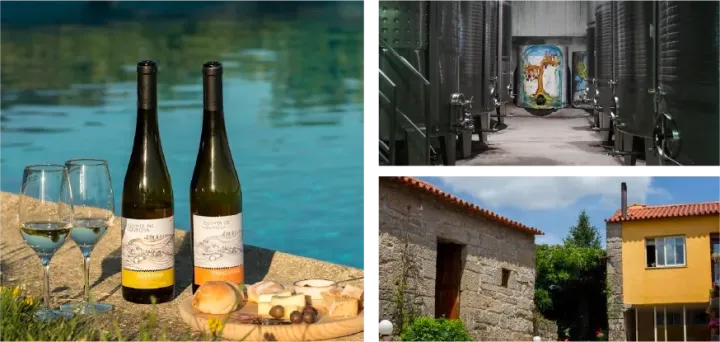
Quinta de Lourosa Country house and wine tourism, Lousada

Village tourism Chão do Rio, Seia

Rural hotel Torre de Gomariz, Vila Verde

Rural campsite Alqueva Rural Eco Camping, Pedrógão do Alentejo
The growth of this kind of tourism is part and parcel of the transformation the Portuguese countryside has been undergoing, particularly in farming. The country is widely recognised for its wine production, above all in the Douro, Alentejo and Dão regions, but also for other crops such as olives, wheat, maize and fruit. Many of these farming activities take place on small family holdings, which are essential to preserving the rural way of life.
Recent years have seen significant growth in organic farming, with the area devoted to this type of production reaching 759,977 hectares in 2022, or 19.2% of the utilised agricultural area (UAA). This increase reflects the growing commitment to sustainable practice, which is increasingly valued in both economic and environmental terms and which strengthens the potential of the countryside to attract tourists in search of authentic, environmentally sound experiences.
The diversity of the rural landscap****e is one of Portugal's greatest assets. From the vineyards of the Douro to the plains of the Alentejo and the mountains of the Serra da Estrela, each region has its own geographical and agricultural character. Rural to urban migration has created challenges, however, such as land abandonment, an ageing population and the loss of traditions. This depopulation has prompted efforts at revitalisation, in which rural tourism plays a crucial part by opening up new economic opportunities.
Another decisive factor for the future of the countryside is nature conservation. Portugal has a number of protected areas and programmes dedicated to preserving biodiversity. Forest, which covers about 36% of the national territory, is essential not only for timber production but also for mitigating the effects of climate change and preventing wildfires. Between 2010 and 2015 the forested area grew by 60,000 hectares, reflecting the effort to preserve and add value to this resource.
Alongside farming and forestry, other activities such as livestock rearing, fishing and hunting play an important role in these regions. Raising livestock, particularly cattle, sheep and goats, contributes to the production of meat and dairy products, while fishing in rivers and lakes and hunting are deeply rooted traditions governed by specific rules.
Sustainable development in rural areas also includes heavy investment in renewable energy. By harnessing natural resources such as wind and sun, Portugal has become a leader in green energy production. Renewable power plants, whether wind, solar or geothermal, produce around 54% of the country's energy needs, reducing dependence on fossil fuels and turning the countryside into an area of environmental innovation.
Rural tourism therefore emerges as a way of bringing all these elements together, enhancing the value of rural communities and promoting their sustainable development. Tourism resources, both natural and cultural, are essential in attracting visitors and giving value to Portugal's rural identity. The beauty of the landscape, the authenticity of the traditions and a growing environmental awareness make these regions of Portugal an increasingly attractive destination for domestic and international visitors alike.
This interweaving of tourism, farming, environmental protection and energy innovation makes the Portuguese countryside an example of resilience and potential in the context of modern economies.
Sources: Decreto-Lei n.º 54/2002 de 11 de março www.rea.apambiente.pt www.pefc.pt
Keep exploring
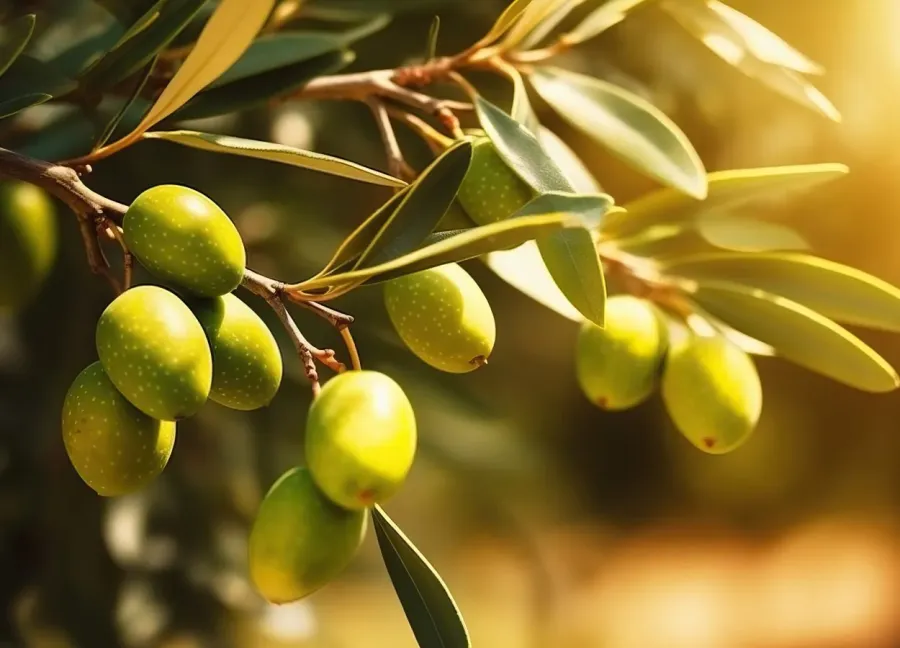
The Galega, the Cobrançosa and the Verdeal: The Portuguese Native Varieties Conquering the World
At a time when olive oil is establishing itself as one of the most studied and most highly valued foods of the Mediterranean diet, Portugal is emerging as one of the leading players in the global market.
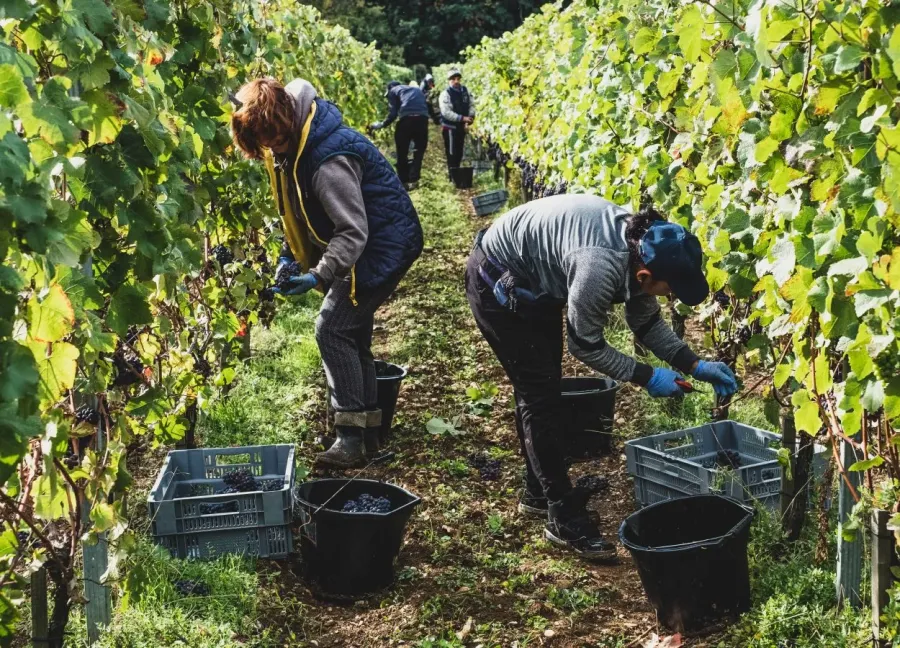
Climate change in Portuguese vineyards: what is changing and how to adapt?
In 2024, the International Organisation of Vine and Wine (OIV) recorded the lowest level of world production since 1961.

Frequently Asked Questions: Artificial Intelligence in Tourism Course
What is the aim of the AgroB Business School course on Artificial Intelligence in Tourism?