


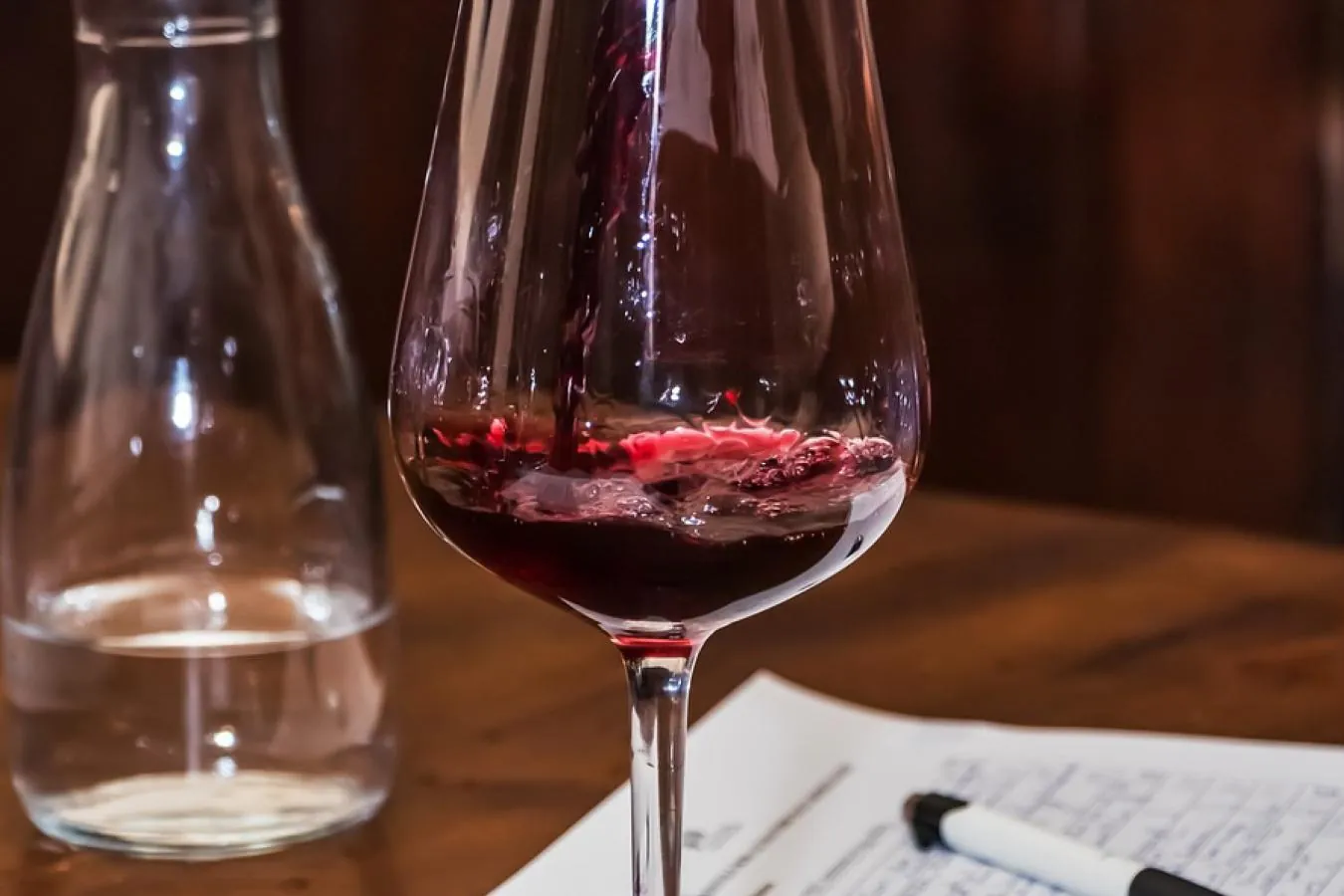
Wine Aromas and Flavours: How to Become a Taster
The taster's role is central to any wine tasting, yet there is no precise way of quantifying the aromas and flavours in each wine.
Tastings are therefore always subjective.
Source: “A complexidade Aromática do Vinho – O prazer da prova consciente” – Paulo J. F. Cmeira dos Santos (INIAV), Vasco Penha Garcia (2022).
The first step towards becoming a conscious taster is building an olfactory and gustatory database.
The taster has to draw on other familiar stimuli and make comparisons in order to identify aromas and flavours, which comes at a cost in precision.
Many aromatic compounds have already been identified in wine, a good number of them shared with fruit, vegetables and other unexpected substances.
It can therefore help to start by sorting the sensations into unpleasant and pleasant ones, and only then isolate the chemical compounds behind them.
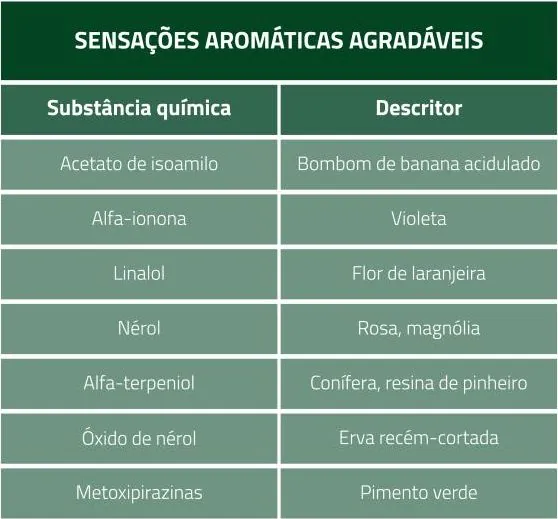
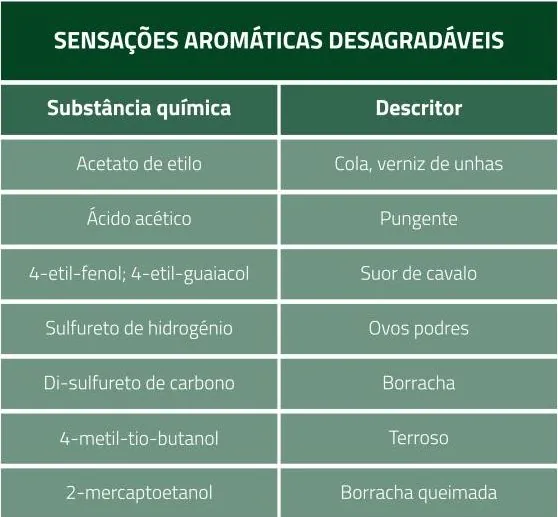
Above certain concentrations, however, a chemical substance regarded as pleasant can turn unpleasant.
Methoxypyrazines are one example: above 230 mg/L they can be perceived as a fault.
The opposite also happens. In very old fortified wines, ethyl acetate can take on a pleasant aroma, often called “vinagrinho”, provided its concentration stays below 100 mg/L and it is combined with an aromatic bouquet of some complexity.
Have you identified any of the sensations described here?
Share them with us in the comments.
Keep exploring
The Galega, the Cobrançosa and the Verdeal: The Portuguese Native Varieties Conquering the World
At a time when olive oil is establishing itself as one of the most studied and most highly valued foods of the Mediterranean diet, Portugal is emerging as one of the leading players in the global market.
Climate change in Portuguese vineyards: what is changing and how to adapt?
In 2024, the International Organisation of Vine and Wine (OIV) recorded the lowest level of world production since 1961.
Frequently Asked Questions: Artificial Intelligence in Tourism Course
What is the aim of the AgroB Business School course on Artificial Intelligence in Tourism?