


The "Farm to Fork" Strategy: A Vision for a Sustainable Food System
The European Commission's "Farm to Fork" Strategy ("Farm to Fork – Our food, our health, our planet, our future"), launched in 2020, is a central initiative in the context of the European Green Deal, seeking to transform the European Union's (EU) food system into a model of sustainability. It is especially relevant in times of crisis, such as the energy and climate crises, and the war, since it promotes farming that is greener and more efficient, less dependent on external inputs and without compromising productivity.
The strategy aims to create a food system that is not only neutral or positive in terms of environmental impact, but that also helps to mitigate climate change and reverse biodiversity loss. It is a clear response to contemporary challenges, highlighting the need for a food system that works in harmony with nature, while at the same time safeguarding public health, food security and the economic viability of the farming and food sectors.
The crisis brought about by COVID-19 exposed the vulnerability of current systems and the urgent need to balance human activity with environmental protection. Through this strategy, the European Union is positioning itself at the forefront of the transition to a more sustainable future, promoting the competitiveness and resilience of its food systems while responding to European citizens' aspirations for healthier food.
 Logo of the "Farm to Fork" Strategy. Source: www.pradoaoprato.com
"Farm to Fork" targets
The strategy sets ambitious targets to be met by 2030:
- A 50% reduction in the use and risk of plant protection products (PPPs);
- A 50% reduction in the use of the most hazardous PPPs;
- A reduction in nutrient losses of at least 50%, while ensuring there is no deterioration in soil fertility, which will cut fertiliser use by at least 20%;
- A 50% reduction in EU sales of antimicrobials for farmed animals and in aquaculture;
- An increase of at least 25% in the area farmed under Organic Production and a significant increase in organic aquaculture;
- All rural areas must have access to fast broadband by 2025, in order to enable digital innovation.
The five specific objectives of the strategy
Ensuring healthy, affordable and sustainable food:
The health of agricultural soils, rich in biodiversity and organic matter, is fundamental to producing healthy food. Farming practices that increase soil fertility and reduce the use of pesticides and chemical fertilisers are crucial. In Portugal, Law no. 26/2013 already provides for integrated crop protection, although it still needs to be applied more widely.
Tackling climate change:
Farming plays a vital role in mitigating climate change, not only by cutting greenhouse gas emissions, but also by increasing carbon sequestration through practices such as growing cover crops. The use of chemical fertilisers, particularly nitrogen-based ones, should be reduced in favour of alternatives such as green manure and the use of legumes that fix nitrogen naturally.
Protecting the environment and preserving biodiversity:
Protecting the soil, preventing erosion and chemical contamination, is essential to preserving biodiversity. In Portugal, nitrate contamination of groundwater in intensively farmed areas is a problem that needs to be addressed urgently. Reducing pesticide use and promoting farming practices that protect pollinating insects and other beneficial organisms are also priority objectives.
Ensuring a fair economic return along the food chain:
The distance between producer and consumer needs to be shortened, by promoting short, fair marketing channels. Adding value to high-quality production methods, such as Organic Farming and Protected Designations of Origin (PDO), is also vital to improving the economic return for farmers.
Increasing Organic Production:
The target of increasing the area of Organic Farming in the EU to 25% by 2030 is a central part of the strategy. Organic Farming has shown that it can produce effectively without resorting to synthetic chemical inputs, with only a minimal reduction in productivity, which is offset by higher profits for the producer and by long-term sustainability.
Sources: https://www.stopogm.net/a-agricultura-portuguesa-e-europeia-e-os-novos-desafios-pela-estrategia-do-prado-ao-prato/ Estratégia do "Prado ao prato" [COM (2020) 381 final]
Keep exploring
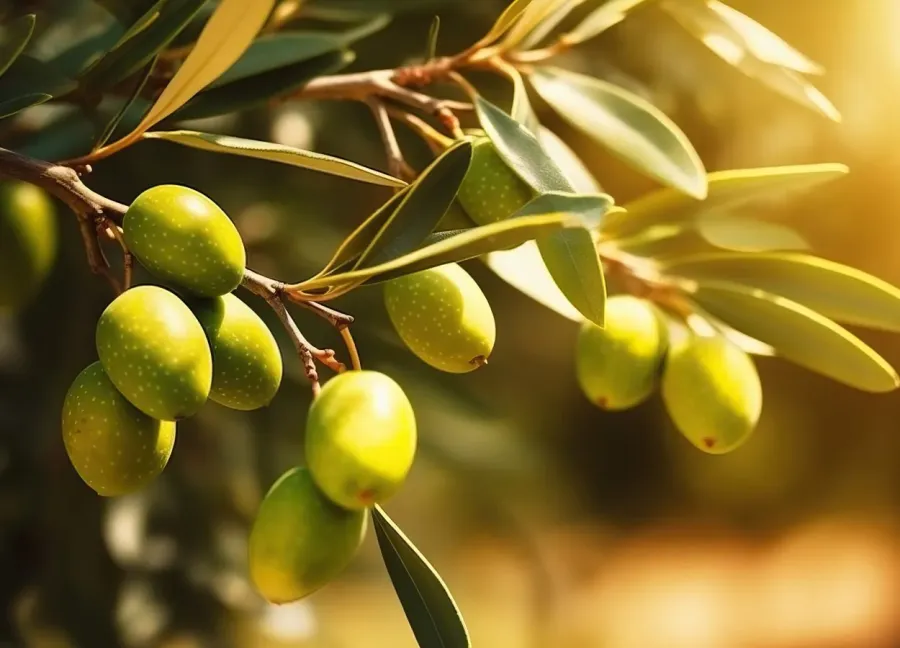
The Galega, the Cobrançosa and the Verdeal: The Portuguese Native Varieties Conquering the World
At a time when olive oil is establishing itself as one of the most studied and most highly valued foods of the Mediterranean diet, Portugal is emerging as one of the leading players in the global market.
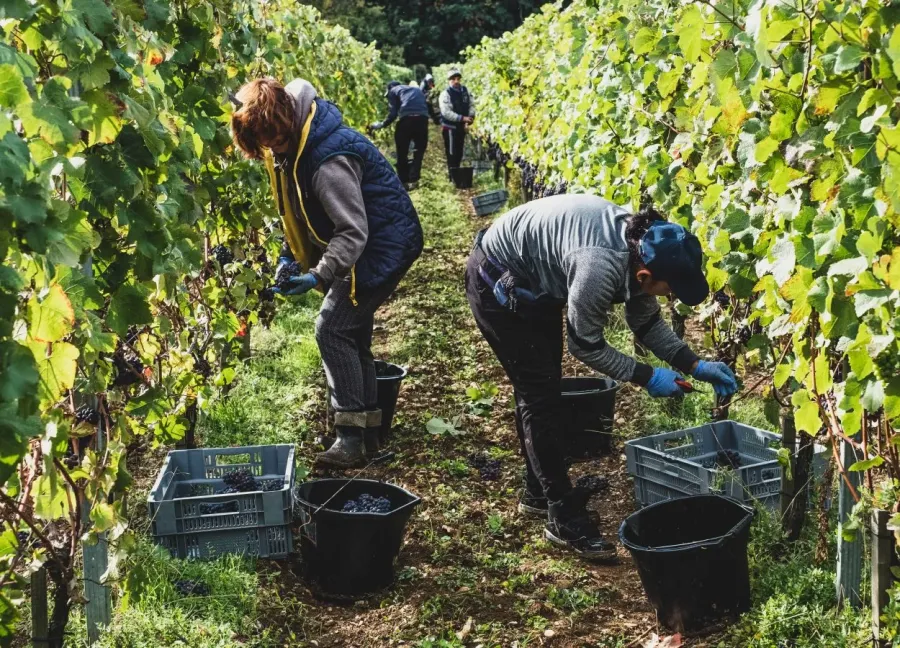
Climate change in Portuguese vineyards: what is changing and how to adapt?
In 2024, the International Organisation of Vine and Wine (OIV) recorded the lowest level of world production since 1961.

Frequently Asked Questions: Artificial Intelligence in Tourism Course
What is the aim of the AgroB Business School course on Artificial Intelligence in Tourism?