


What to Watch for During the Grape Harvest (Table and Wine Grapes)
The grape harvest may run from August to November, depending on the variety. It is a delicate operation, and it takes a year of hard work for the grapes to have the characteristics the intended use requires: fresh consumption or processing.
Preparing for the harvest:
Depending on what the crop is destined for and on the size of the holding, the harvest is planned around:
- How ripening is progressing, as a gauge of grape quality;
- The expected volume of production;
- The type of harvest (manual or mechanical);
- The labour available;
- Preparing and cleaning harvesting materials and equipment;
- Cleaning the stores and/or winery where the fruit will be kept;
- Checking post-harvest equipment and materials.
What to watch for – fresh consumption (table grapes):
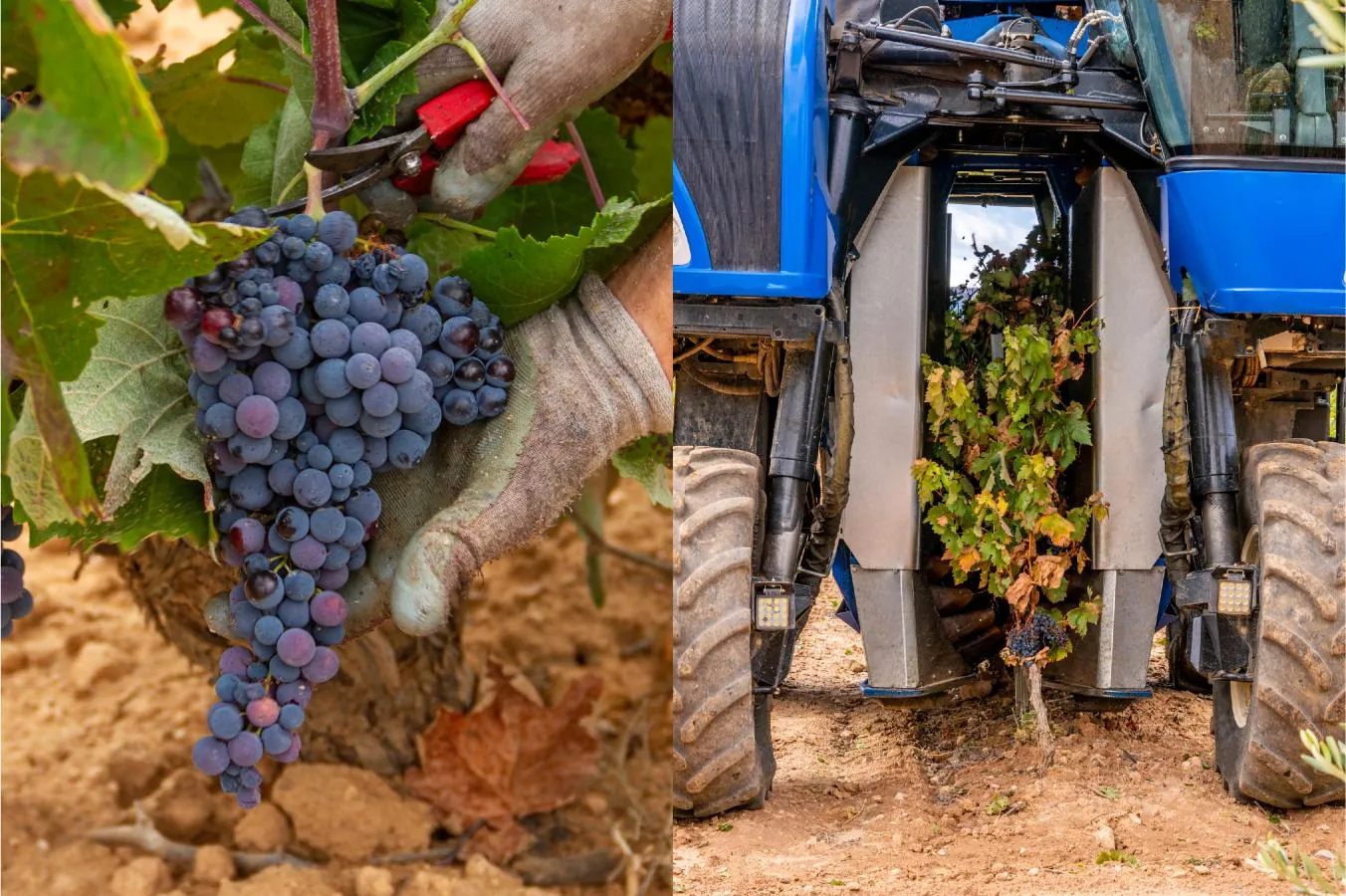
For table grapes the harvest is manual, and the bunch should be cut with secateurs at the peduncle, close to where it joins the vine.
Grapes for fresh consumption are more sensitive to high temperatures, temperature swings, low relative humidity, water loss, excessive handling and the conditions of transport, storage and display or sale.
To make sure the grapes keep their characteristics right along the commercial chain (firm, juicy berries, with no sign of shrivelling or microbial growth), it is therefore very important to chill the fruit immediately after picking.

Cutting the bunch at the peduncle

Grapes packed for fresh consumption
What to watch for – processing (wine grapes):
For wine grapes, harvesting may be manual and/or mechanical, and the skin of the berry should not be broken.
During this process, it is advisable to:
- Use small crates to transport the grapes;
- Keep the grapes intact, so as to avoid or reduce must losses, prevent infections caused by unwanted yeasts or bacteria, minimise an early start to alcoholic fermentation, and reduce the destruction of primary aromatic compounds;
- Avoid exposing the grapes to the sun;
- Keep the wait between picking and transport to the winery as short as possible.
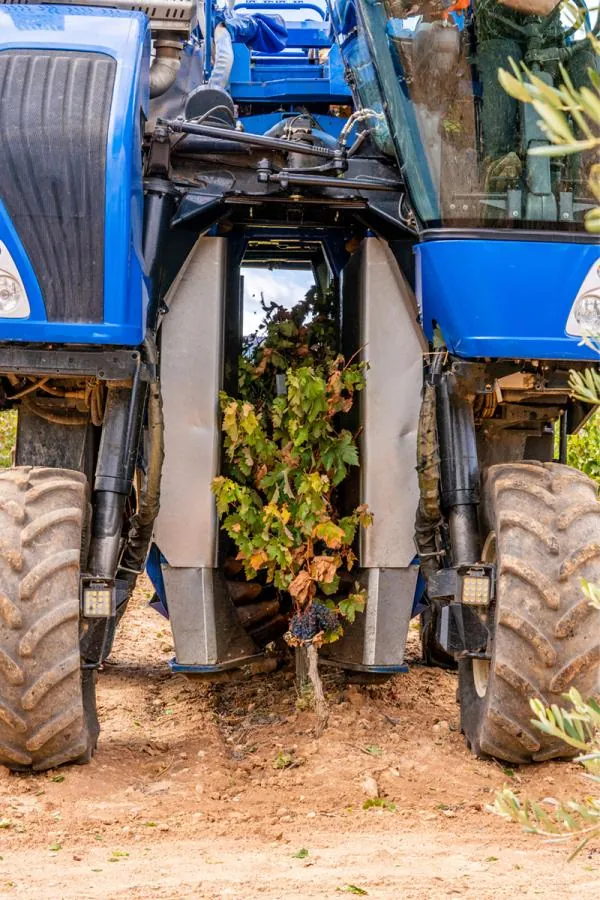
Mechanical grape harvesting
Other considerations:
Manual harvesting is the most common, above all where mid-range and premium wines are the goal and on very small plots or those with steep slopes.
That said, advances in mechanical harvesting technology now make it possible to pick only the berries that are sound and of the right consistency, leaving green and dried berries behind. The vineyard does have to be set up for this, in particular as regards the strength of the trellising and the alignment of the vines.
Depending on the quality targets set, it is possible to obtain batches of grapes of different quality within the same plot.
A first manual harvest can therefore be carried out (picking the ‘premium‘ grapes from more exposed, smaller bunches or from areas with sandier or upper soils), followed by a mechanical harvest to bring in the rest.

Wine analysis after vinification of the grapes
What else do you watch for during the harvest?
Share your experience with us!
Keep exploring
The Galega, the Cobrançosa and the Verdeal: The Portuguese Native Varieties Conquering the World
At a time when olive oil is establishing itself as one of the most studied and most highly valued foods of the Mediterranean diet, Portugal is emerging as one of the leading players in the global market.
Climate change in Portuguese vineyards: what is changing and how to adapt?
In 2024, the International Organisation of Vine and Wine (OIV) recorded the lowest level of world production since 1961.

Frequently Asked Questions: Artificial Intelligence in Tourism Course
What is the aim of the AgroB Business School course on Artificial Intelligence in Tourism?