


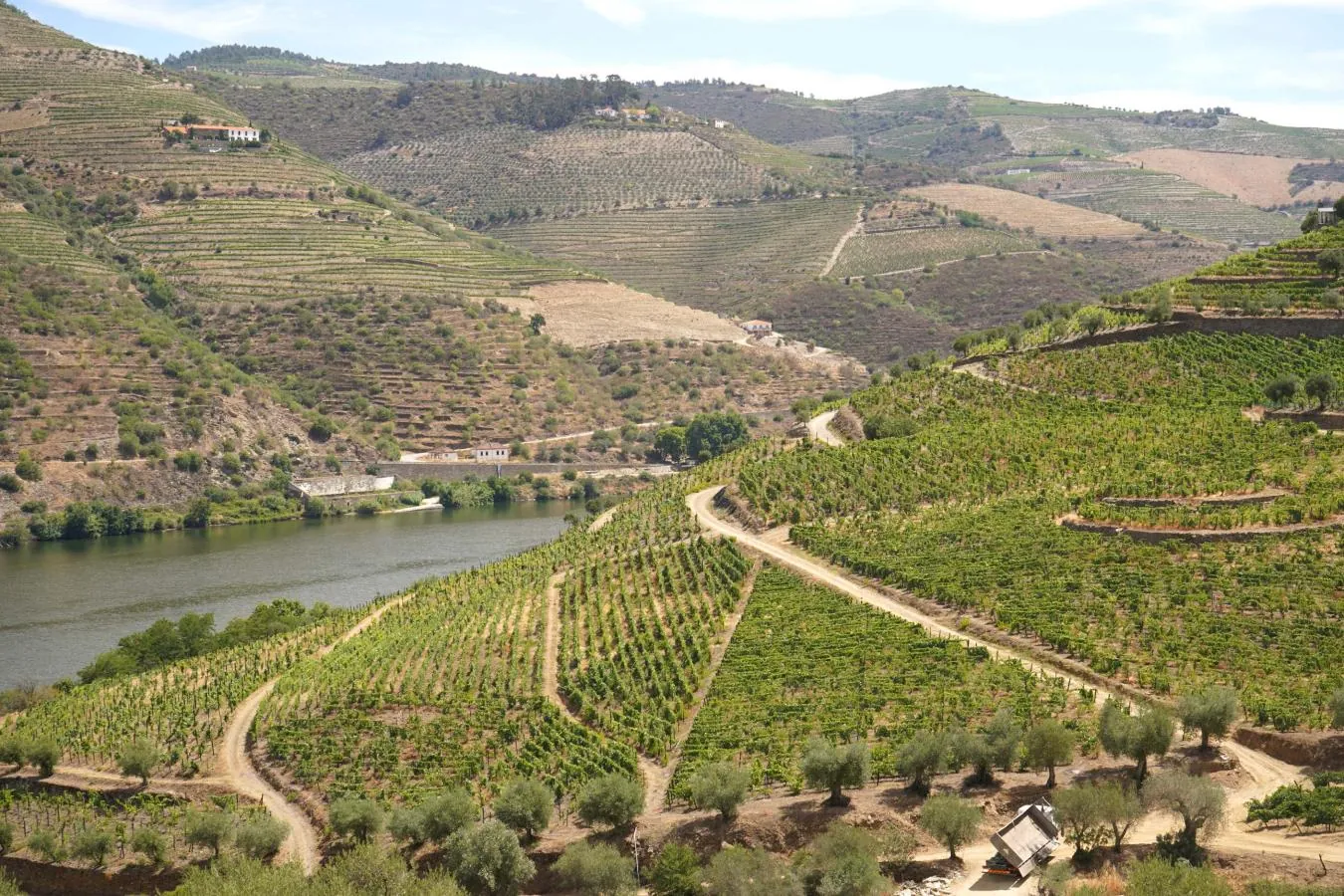
Ecological Infrastructure: A Pillar of Sustainability and Biodiversity Conservation
Biodiversity and environmental sustainability are central to any discussion about the future of the planet. Ecological infrastructure plays a crucial part in that picture, delivering a wide range of ecosystem services that benefit farmers and society alike.
Made up of natural vegetation, hedgerows, walls, woodland and other formations, these structures are fundamental to increasing the functional biodiversity of crops, fostering ecological balance and helping to preserve ecosystems.
Ecological infrastructure is defined as any structure, on the holding or within a radius of some 150 m, that has ecological value for the holding and whose use increases its functional biodiversity.
Ecological infrastructure provides a range of services that are essential to life and to sustainable farming. These include climate regulation, biological pest control, pollination, carbon sequestration, protection against soil erosion and the promotion of biodiversity. Bringing natural vegetation and other structures onto farms increases the population of beneficial fauna, such as natural predators of pests, reducing the need for chemical pesticides.
For ecological infrastructure to be effective, it needs to occupy at least 5% of the total area of the holding, with 10% the ideal, as recommended by Malavolta & Boller (2009). Appropriate management of habitats and flora is also crucial in order to maximise the services the ecosystem provides, such as the greater landscape value of the region, which nature tourism can draw on. That management is likewise fundamental in preventing soil erosion and contributing to carbon sequestration, a vital measure in mitigating climate change.
Mixed hedgerows offer significant shelter to natural enemies, which play a vital part in the biological control of pests. Each plant species in the hedge harbours a specific fauna, and the greater the diversity of plants, the richer the beneficial fauna. The complex structure of the plant canopy also provides effective shelter for a variety of species.
To ensure that native beneficials are conserved, it is essential to use non-aggressive pesticides and to promote diversity in the ecosystem. This can be done through ecological compensation strips, flowering margins and green manures, which supply the necessary nutrients, such as amino acids, sugars and proteins, from the nectar and pollen of the flowers.
Increasing floristic biodiversity in ecological infrastructure brings a series of ecological benefits. Among them are maintaining and increasing soil fertility, mitigating erosion, regulating and purifying water resources, and enhancing the landscape. Plant diversity also helps to limit pests naturally, aids pollination and reduces the need for pesticides, which improves food quality and lowers production costs, to the direct benefit of farmers.
Vegetation cover between crop rows counts as an ecological corridor and in many cases accounts for as much as 80% of the biodiversity of a holding. That cover often contains few plant species, however, which limits its richness and its value to beneficial fauna. It is crucial to pay attention to the condition of the soil and to create ecological compensation areas, strategically chosen so that they are not affected by chemical treatments and act as reservoirs of functional biodiversity.
Sown or naturally occurring grass cover, with careful selection of the herbaceous or shrub species that make up the ecological infrastructure, can significantly increase populations of beneficial fauna. That in turn contributes to the biological control of crop enemies, bringing functional biodiversity to agricultural crops.
Ecological infrastructure is essential to promoting environmental sustainability and conserving biodiversity. By integrating it into farms and natural landscapes, we are investing in the future of agriculture, of biodiversity and of the health of the planet. Putting appropriate management measures in place and recognising the worth of these ecosystems are crucial to striking a sustainable balance between agricultural production and nature conservation.
Source:
- www.consilium.europa.eu/pt/policies/biodiversity/
- www.agrosustentavel.com/as-infra-estruturas-ecologicas-no-aumento-da-biodiversidade-funcional/
- www.rederural.gov.pt
Keep exploring
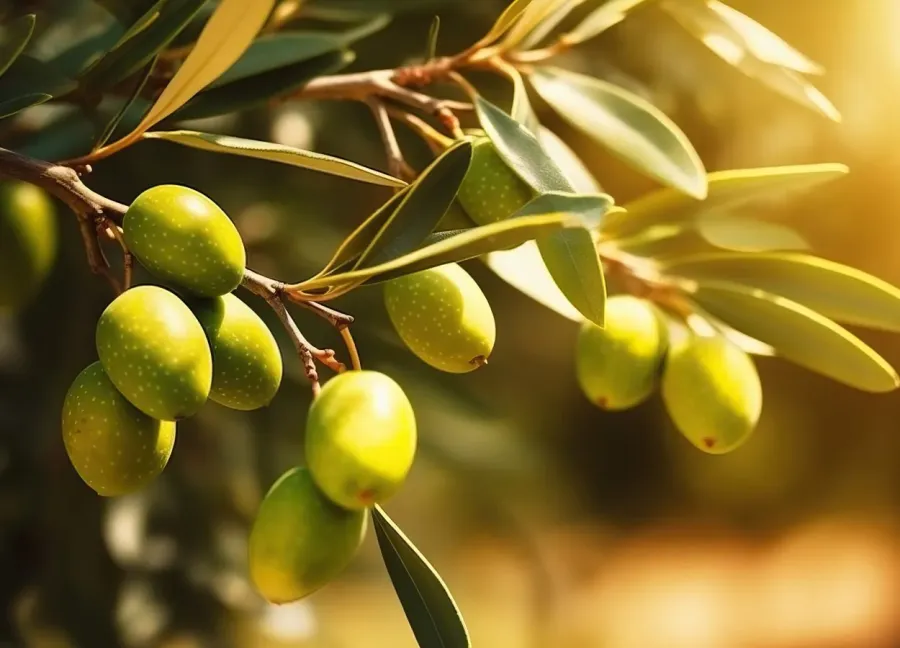
The Galega, the Cobrançosa and the Verdeal: The Portuguese Native Varieties Conquering the World
At a time when olive oil is establishing itself as one of the most studied and most highly valued foods of the Mediterranean diet, Portugal is emerging as one of the leading players in the global market.
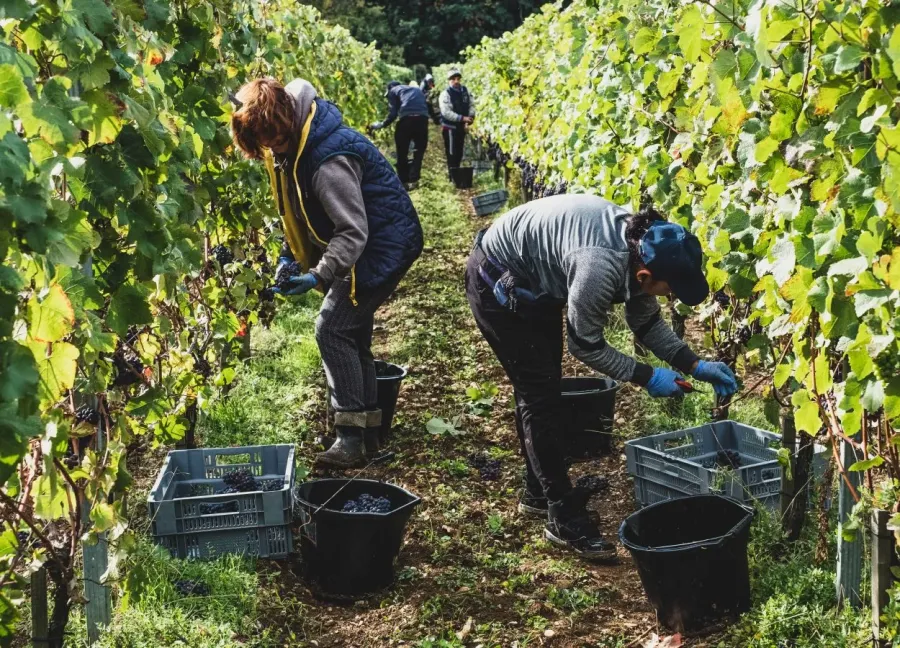
Climate change in Portuguese vineyards: what is changing and how to adapt?
In 2024, the International Organisation of Vine and Wine (OIV) recorded the lowest level of world production since 1961.

Frequently Asked Questions: Artificial Intelligence in Tourism Course
What is the aim of the AgroB Business School course on Artificial Intelligence in Tourism?