


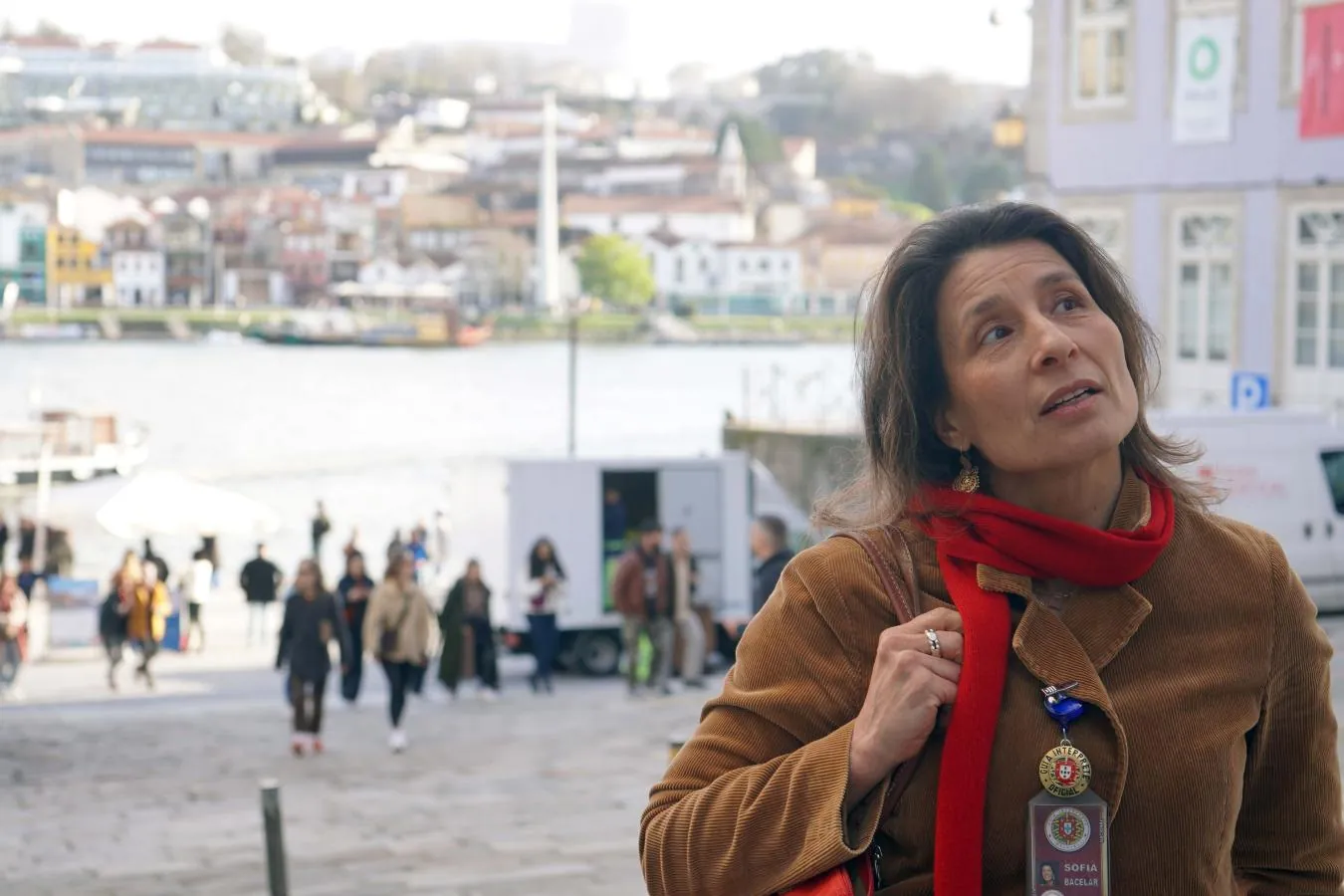
Women in the Rural World: Roots and Achievements – Sofia Bacelar
Sofia Bacelar: "These days the trend is towards ever more immersive tourism, 'hands-on' tourism"
Our conversation took place at the Wine Box, in Porto's Ribeira district, a charming spot that offers an authentic setting in which to explore the secrets of Portugal's historic and gastronomic heritage.
Sofia Bacelar is a woman of many parts, 48 years old and a native of Porto. Her career is as varied as it is inspiring. She began her academic journey at a language school, but her appetite for knowledge led her to take on even bigger challenges.
Sofia holds a degree in agricultural engineering and a postgraduate qualification in viticulture and oenology. She lectured at the Escola Superior Agrária de Ponte de Lima and the Escola Superior Agrária de Bragança, sharing her knowledge in agricultural production, the environment and agri-food marketing. For seven years she was part of the corporate world, holding management roles at a German multinational.
She found her true passion, however, in tourism. Since 2016 she has been a leading figure as a programme design specialist at a major tour operator. She is also a tourist guide and interpreter, specialising in wine tourism.
Her influence goes beyond conventional tourism. She is a fervent advocate of sustainable tourism, recognising and embracing the economic, social and environmental challenges the sector faces. Her commitment to promoting tourism that respects the environment and the local community truly sets her apart.
To mark International Women's Day, Sofia shares her perspective on the presence of the cosmopolitan woman in the rural world, working as a guide and interpreter. Her message is a positive one, full of valuable advice for anyone wanting to enter this sector.
At what point in your life did you decide to leave teaching and a management career at a multinational to move into designing tourism programmes?
I decided to move into tourism programme design at a moment of deep reflection on my professional and personal path. Although I had enjoyed my experience teaching in higher education and, later, managing at a multinational, I felt compelled to follow a deeper passion.
Memories of my childhood at my grandfather's farm in Barcelos, where I was immersed in the rural world, the smell of the cellars, winemaking and the maize harvest, stayed vivid inside me. Those memories shaped my choice of agricultural engineering at UTAD and, later, my move into tourism.
After years devoted to teaching and management, I realised I longed for a life with more human interaction and fewer hours in front of a screen. It was a moment of self-discovery and reflection that led me to consider a radical change. In 2015, with Portugal emerging as a renowned tourist destination, I felt it was the right time to explore that industry, given my academic, personal and professional experience.
So at 40 I began a degree in tourism and took on the role of guide and interpreter in wine tourism. That decision not only allowed me to put my academic and professional background to more direct use, it also gave me the chance to immerse myself in a premium tourism market, where experiences are carefully crafted and distinctive.
How do you see the role of luxury tourism in promoting rural development and adding value to local products?
I see it as a unique opportunity to enrich the visitor's experience and, at the same time, drive the economic and social growth of rural communities. By offering authentic experiences, such as taking part in the grape harvest or visiting local producers, tourists not only appreciate local products, they also gain a deeper understanding of the region's culture and history. That adds value to local products and also encourages the preservation of traditions and support for local livelihoods.
By involving visitors in farming activities, such as walks through the vineyards or joining the harvest, we are helping to prevent rural areas from emptying out, providing more decent wages for those who work the land and creating a deeper connection between people and the rural environment. It is through these authentic, enriching experiences that we can truly lift up and preserve the rural world, making sure its riches are appreciated and protected for generations to come.
What are the current trends in wine tourism in Portugal?
Trends in tourism currently point to growing demand for immersive experiences, where tourists do not merely observe but actively take part in creating food products and in the winemaking process. This kind of "hands-on" tourism not only enriches the traveller's experience, it also contributes to the economic and social sustainability of rural communities.
Knowing how to read a label, understanding the nuances of a wine and pairing it properly is not just a skill, it is a power that gives us a sense of empowerment. That ability to understand and appreciate wine enriches our personal experience, and it also lets us play a vital role in promoting Portugal's wine and cultural heritage worldwide.
As tourist guides, we have a crucial mission to raise Portugal's profile in the world, highlighting not only the quality of our wines but also the richness of our heritage and traditions. Portugal is truly a versatile stage for tourism, offering experiences that range from the most mass-market to the most exclusive and personalised.
What advice would you give women who want to pursue a career as a tourist guide, particularly those with a technical background like yours?
I would strongly encourage women who want to pursue a career as a tourist guide to embrace that journey with confidence and determination. Being a guide and interpreter in wine tourism is a powerful opportunity to show charm and charisma, qualities women often have in abundance. It is also crucial, however, to develop skills in managing expectations, and tact and subtlety in dealing with the sector's many players. Proper training, the necessary certifications, keeping up with new wines and the breakthrough winemakers of the year, good networking and a genuine passion for the work are all essential ingredients for success in this field.
Interview: Sofia Bacelar Copy: Cláudia Silva Filming and Video Editing: João Santos and Sónia Machado Editing and Ownership: Espaço Visual Lda.
Keep exploring
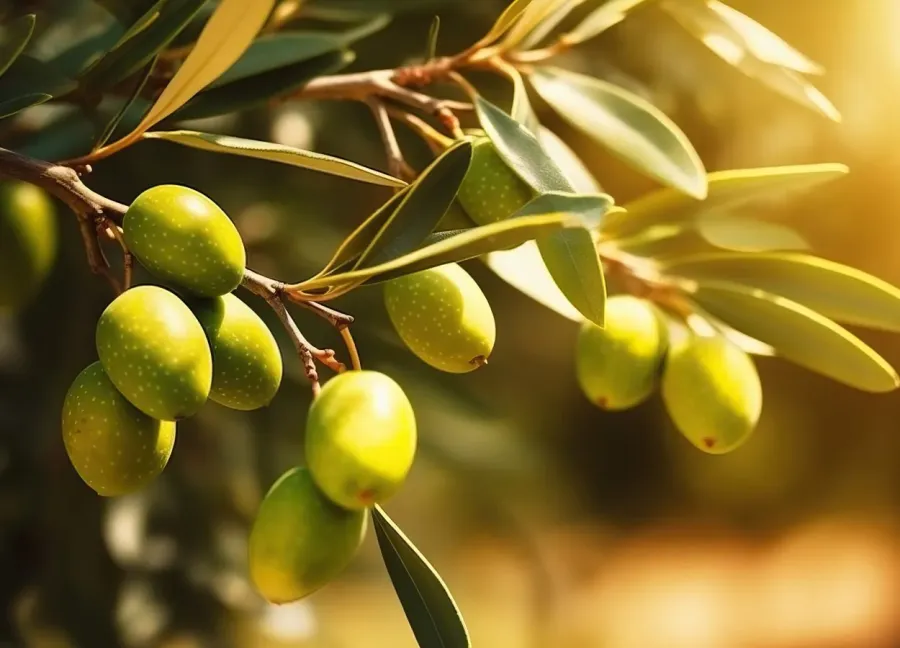
The Galega, the Cobrançosa and the Verdeal: The Portuguese Native Varieties Conquering the World
At a time when olive oil is establishing itself as one of the most studied and most highly valued foods of the Mediterranean diet, Portugal is emerging as one of the leading players in the global market.
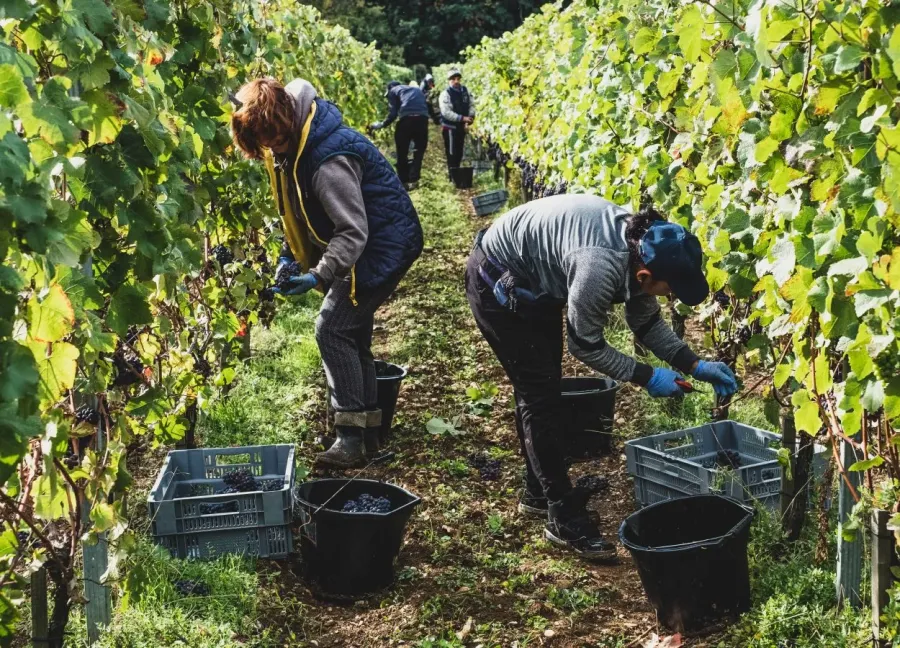
Climate change in Portuguese vineyards: what is changing and how to adapt?
In 2024, the International Organisation of Vine and Wine (OIV) recorded the lowest level of world production since 1961.

Frequently Asked Questions: Artificial Intelligence in Tourism Course
What is the aim of the AgroB Business School course on Artificial Intelligence in Tourism?