


What to do with pruning waste?
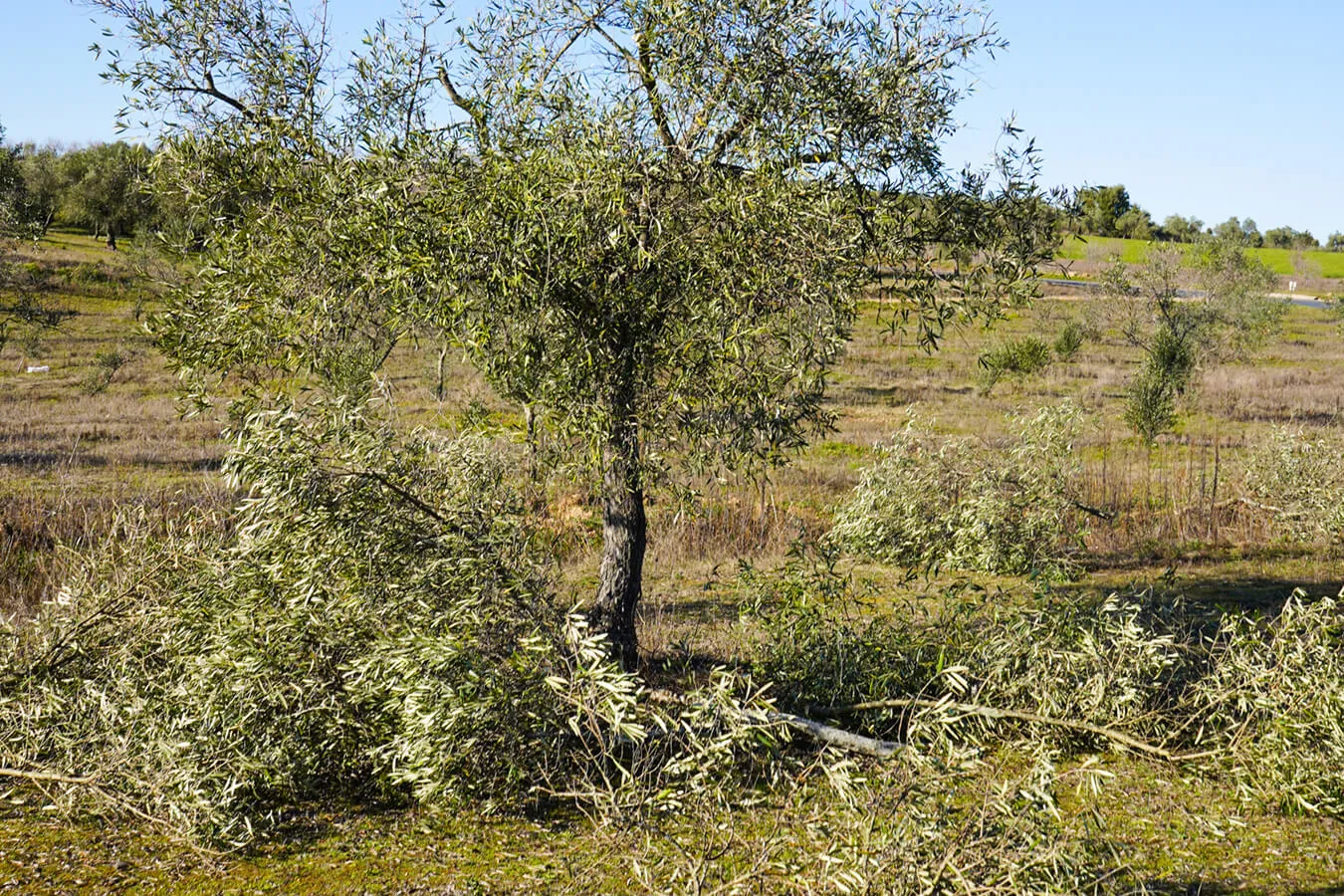
Pruning surplus refers to all the plant material removed during this operation, which may be branches or leaves. How thick and how large that surplus is depends on the crop and on the age of the plants.
As a first step, it is advisable to gather the waste together, avoiding it being left to build up for long periods.
Once it has been gathered, the grower has to decide on the next step.
Some options for managing pruning waste:
Burning
- A common option;
- High carbon dioxide emissions;
- Damaging to the environment;
- Dangerous for the operator's health;
- Requires authorisation from ICNF to be carried out;
- Recommended for disposing of diseased or quarantine plant material.
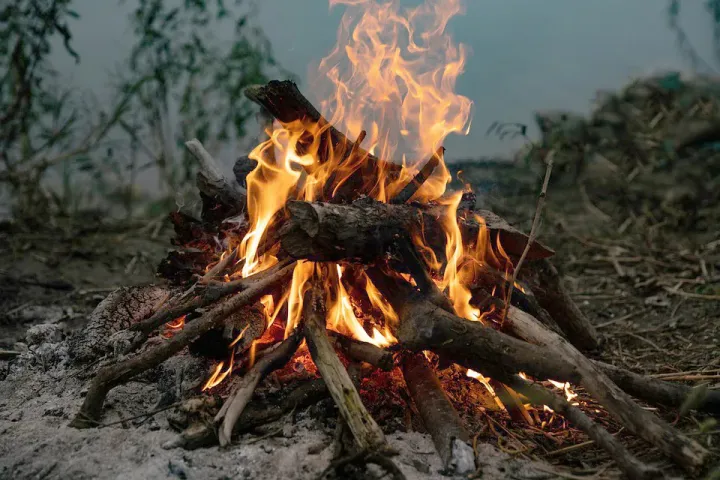
Figure: Burning pruning surplus
Incorporation into the soil
- Requires a shredder to be run over the plot;
- Possibility of mulching or composting;
- Protects the soil from erosion and leaching, helping preserve it;
- Incorporates organic matter;
- Slow decomposition process;
- Requires larger and/or thicker branches to be shredded;
- Not recommended for handling infected plant material.

Figure: Incorporating pruning surplus into the soil
Processing
- Handed over to waste treatment operators;
- The wood can be turned into biofuel (pellets), wood chip or compost;
- The leaves can be used for animal feed and, in some species, for essential oils (e.g. citrus);
- Fits into the circular economy;
- High transport and delivery costs, where the grower bears them;
- The amount paid for the waste is nominal.
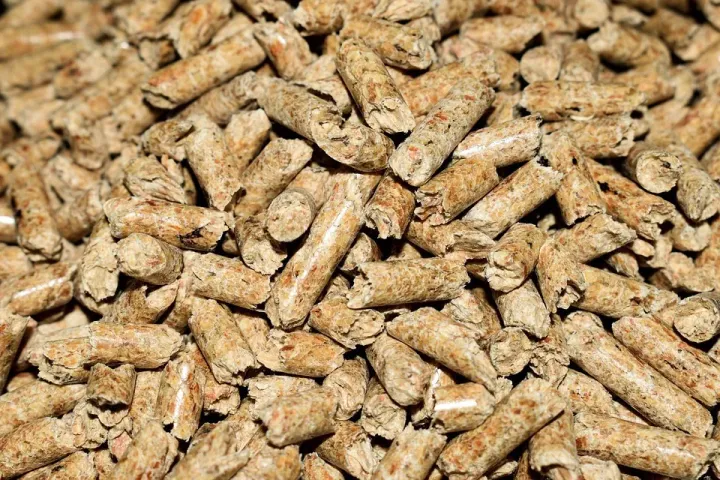
Figure: Processing pruning surplus – pellets
Plant propagation
- Reuse of the plant material;
- Propagation of clone plants similar to the existing ones;
- Possibility of choosing the plant material;
- Requires skilled labour;
- Not all the material can be used;
- Removes the need for a nursery for small numbers of plants;
- Time consuming process;
- Infected material must not be used.
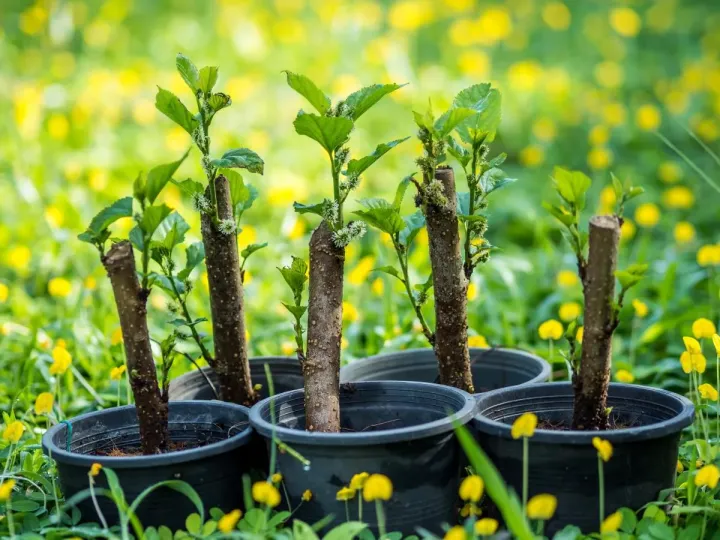
Figure: Plant propagation
The choice of waste treatment should vary according to each grower's situation. In the interests of sustainability, burning should be avoided; it is, however, one of the most effective methods of preventing diseases spreading through infected material.
Did you know about these ways of dealing with pruning surplus?
Tell us in the comments!
Keep exploring
The Galega, the Cobrançosa and the Verdeal: The Portuguese Native Varieties Conquering the World
At a time when olive oil is establishing itself as one of the most studied and most highly valued foods of the Mediterranean diet, Portugal is emerging as one of the leading players in the global market.
Climate change in Portuguese vineyards: what is changing and how to adapt?
In 2024, the International Organisation of Vine and Wine (OIV) recorded the lowest level of world production since 1961.

Frequently Asked Questions: Artificial Intelligence in Tourism Course
What is the aim of the AgroB Business School course on Artificial Intelligence in Tourism?