


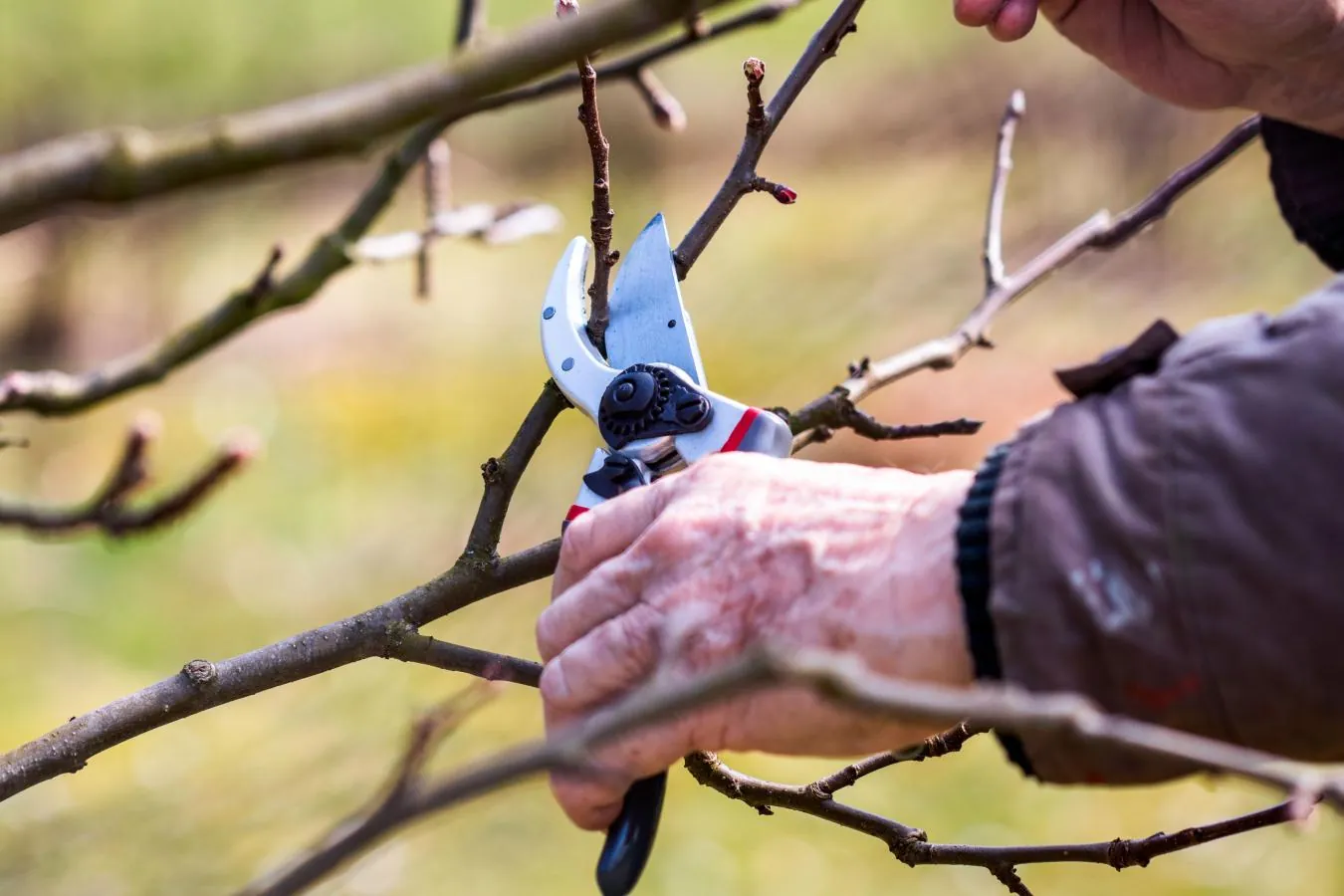
Pruning Pome Fruit Trees
The most common pruning practices are as follows:
- Heading back;
- Limb removal;
- Notching.
Pruning practices
Heading back:
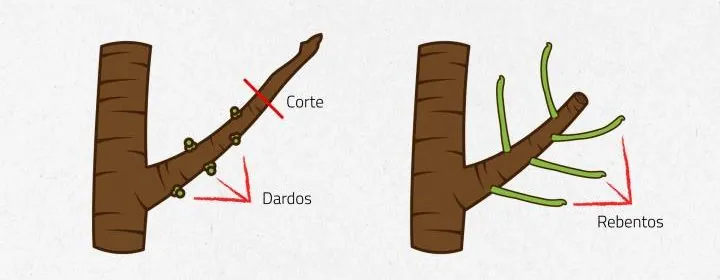
- Heading back consists of cutting off a portion of the branch, above a bud or above a shoot. The purpose of this practice is to remove apical dominance, which stimulates the buds and shoots further back along the branch.
Limb removal:
Limb removal is the complete removal of the branch. This practice is useful when the aim is to:
- Renew branches;
- Remove diseased or dead wood;
- Correct the training of the tree.
Notching:
- Notches are localised cuts made above dormant buds, with the aim of stimulating them through the accumulation of water and nutrients (sap).
Types of cut
Bevel:
- Cuts should be made on a bevel, that is, at an angle of 45º, oriented towards the side where a new shoot is wanted.
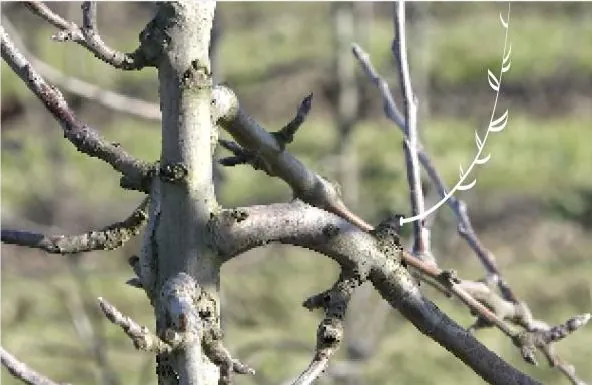
Flush cut:
- Cuts should be made on a bevel, that is, at an angle of 45º, oriented towards the side where a new shoot is wanted.
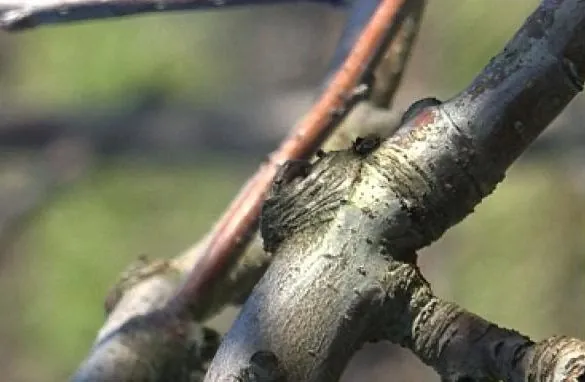
Long cut:
- Long cuts, although not advisable in fruiting pruning, can be used when the aim is to obtain vegetative material for renewing wood. In response, the tree will put out several shoots for the grower to choose from.
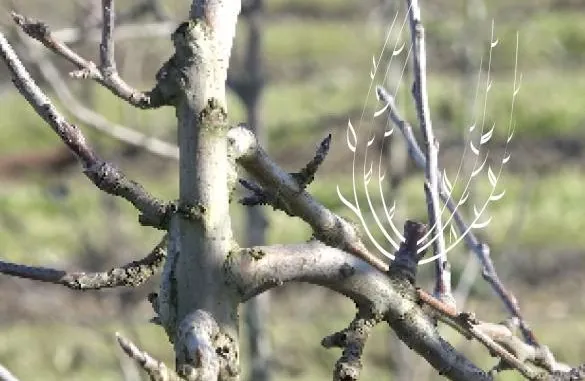
Did you know about the different pruning practices?
Tell us in the comments!
You may also like
See all articles
Keep exploring
The Galega, the Cobrançosa and the Verdeal: The Portuguese Native Varieties Conquering the World
At a time when olive oil is establishing itself as one of the most studied and most highly valued foods of the Mediterranean diet, Portugal is emerging as one of the leading players in the global market.
Climate change in Portuguese vineyards: what is changing and how to adapt?
In 2024, the International Organisation of Vine and Wine (OIV) recorded the lowest level of world production since 1961.

Frequently Asked Questions: Artificial Intelligence in Tourism Course
What is the aim of the AgroB Business School course on Artificial Intelligence in Tourism?