


What are Slow Cities?
Slow Cities, or Cittaslow, are part of a global movement dedicated to improving the quality of life of their inhabitants. The concept promotes sustainable development, calmer ways of living and the preservation of local cultural and environmental characteristics.
Founded in Italy in 1999 and inspired by the Slow Food movement (a response to fast food culture), Cittaslow has been expanding worldwide, bringing together towns and cities committed to sustainability and well-being.
The ‘Slow City’ designation is a quality mark that works as a distinction, but also as a commitment. It is a reference point for residents, tourists and investors looking for places that value both people and nature.
To obtain this recognition, towns must meet at least 50% of the criteria set out in a list of 60 items, organised into five main categories:
1. Environmental Policy
This category focuses on protecting the environment and using natural resources sustainably:
- Solid waste management: Implementing advanced separation, recycling and composting systems;
- Energy efficiency: Promoting renewable energy, such as solar and wind, and reducing consumption in buildings;
- Pollution reduction: Policies to minimise gas emissions, noise and water pollution;
- Environmental preservation: Protecting natural areas, creating green spaces and promoting reforestation;
- Sustainable water use: Developing systems to reuse and conserve this essential resource.
2. Infrastructure Policy
Infrastructure must be designed to support quality of life and inclusion:
- Public spaces: Developing squares, parks and pedestrian areas for social life and leisure;
- Sustainable mobility: Encouraging the use of public transport, cycle lanes and other alternatives to the car;
- Universal accessibility: Urban planning that takes into account the needs of older people, children and people with reduced mobility;
- Housing preservation: Buildings that respect heritage and follow ecological criteria.
3. Technology for Urban Quality
Technology plays an important part in managing the town efficiently:
- Smart Cities: Using digital systems to manage lighting, traffic and waste collection.;
- Consumption optimisation: Technological tools that reduce the use of energy and natural resources;
- Transport management: Solutions such as mobile apps to make public transport easier to use;
- Environmental monitoring: Equipment that measures air and water quality and other ecological indicators.
4. Promoting Local Products
Strengthening the local economy is essential to the town's identity:
- Regional gastronomy: Supporting the production and consumption of typical, seasonal food;
- Traditional markets: Promoting direct sales between local producers and consumers;
- Culture and crafts: Encouraging traditional techniques and cultural expressions;
- Ethical trade: Prioritising fair and sustainable trade practices.
5. Hospitality and Conviviality
This category values the creation of welcoming communities and authentic experiences:
- Sustainable tourism: Developing initiatives that respect local culture and local people;
- Cultural events: Organising festivals, fairs and other activities that celebrate local identity;
- Interaction between visitors and residents: Promoting programmes that encourage direct contact, such as workshops and stays with local hosts;
- Environmental education: Raising awareness of slow values and balanced lifestyles.
Examples of Slow Cities in Portugal
In Portugal, several towns are already part of the Cittaslow network, notably:
Silves
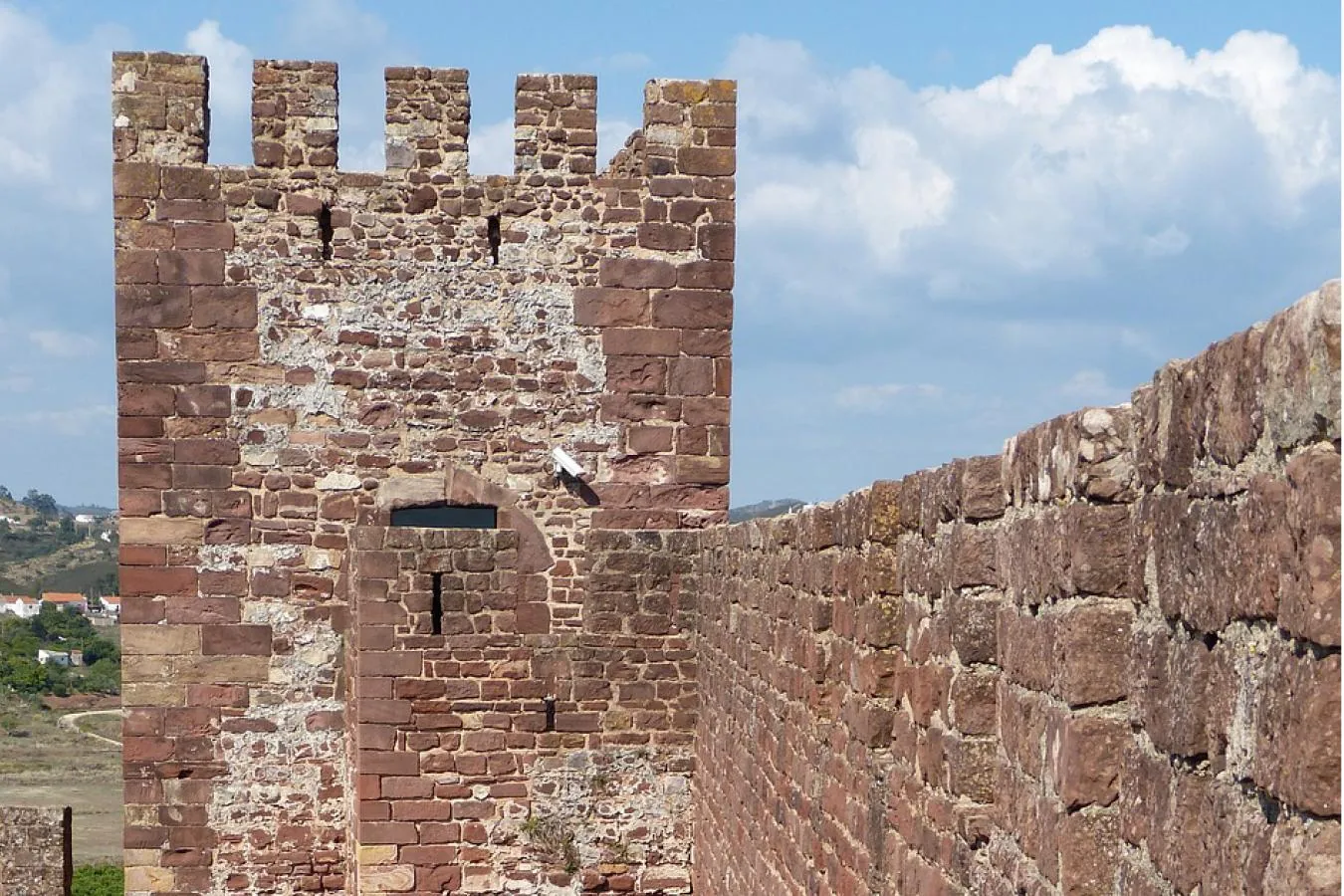
Silves is a town rich in history and with unique characteristics that form part of the Cittaslow movement, standing out for its iconic Moorish castle, its Gothic cathedral and its picturesque cobbled streets.
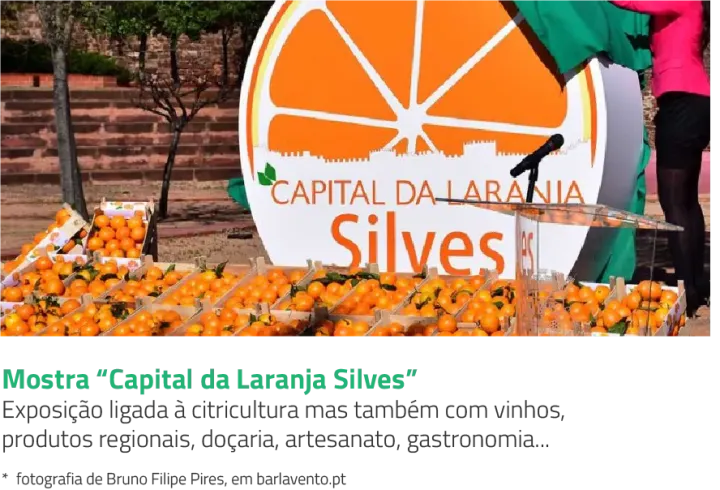
Set among the Algarve hills and overlooking the river Arade, the town maintains a strong connection with nature. It promotes sustainability by valuing local produce, such as the region's famous oranges, and by supporting culture and traditional crafts.
To make the most of Silves, visitors can explore the castle and the archaeological museum, sample the local cuisine in the many typical restaurants and taverns, take part in cultural events such as the Medieval Fair in August or the Orange Festival held in February and March, or discover the surrounding area along the Algarve's nature trails and food and wine routes.
São Brás de Alportel
São Brás de Alportel is a small town surrounded by hills covered in cork oaks, with a rich historical and cultural heritage. It is known for its cork industry and is home to several historic buildings, such as the Church of São Sebastião and the Chapel of São João Batista. It offers a range of activities linked to nature and to slow, sustainable tourism, such as walking, cycling and horse riding through the surrounding hills.
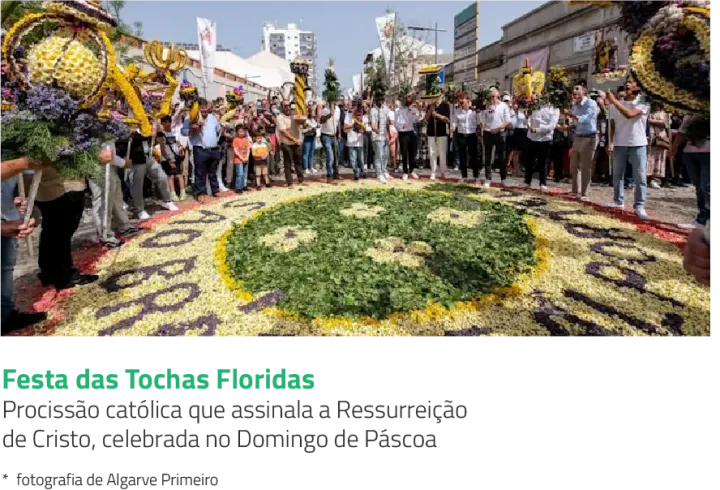
The town also holds a series of cultural events throughout the year, including the popular “Festa das Tochas Floridas” (or Festa de Aleluia), an Easter procession in which people carry torches decorated with flowers. As a Slow City, São Brás de Alportel is dedicated to preserving its natural and cultural heritage, promoting slow tourism and providing a better quality of life for its inhabitants. It stands out for a calm, inclusive way of life that strengthens the local community and values its identity and authenticity.
Viana do Castelo
Viana do Castelo is a Portuguese city that brilliantly exemplifies the Cittaslow philosophy. With a well-preserved historic centre, proximity to the natural wonders of the Peneda-Gerês National Park and a rich cultural calendar, the city combines respect for local traditions with a commitment to sustainability and quality of life.
Some emblematic events that reflect Viana do Castelo's adherence to the Cittaslow movement include the “Santos Padrinhos” pilgrimage, an ancient pagan rite, and the vibrant “Festa da Senhora d'Agonia”, one of the most important folk festivals in Portugal.
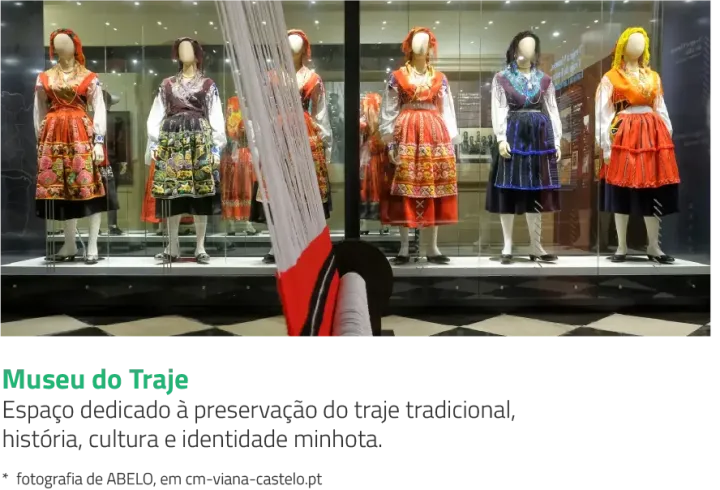
Responsible tourists can enjoy walks along the river Lima, visit the Museu do Traje, which celebrates the region's cultural heritage, and explore the Peneda-Gerês National Park. In the park, activities such as birdwatching, trekking and botanical trails are enriched by the abundance of endemic animal and plant species, offering an intimate connection with nature.
Tavira
Tavira, with its narrow cobbled streets, historic monuments and rich food culture, welcomes visitors with countless opportunities to enjoy slow, responsible tourism.
With a well-preserved urban heritage and a strong Moorish architectural influence, Tavira offers history and culture lovers a deep immersion in the past. Preserving the natural environment is also a priority, with the town standing out for its pristine beaches, ecological trails and nature reserves that allow direct contact with local flora and fauna.
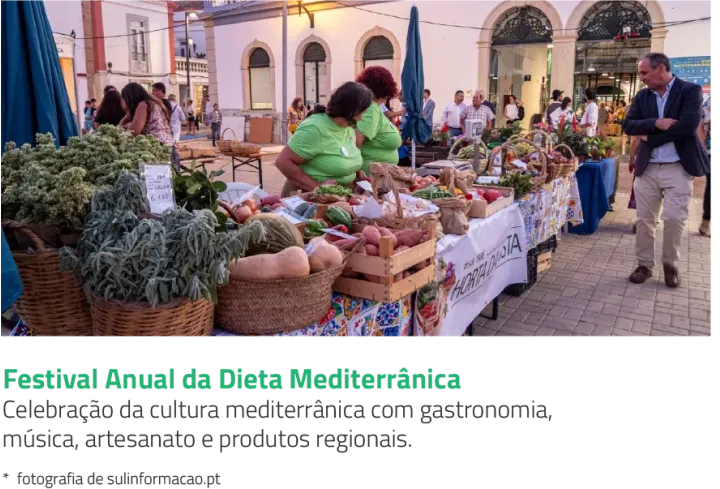
Tavira is known for initiatives that involve the local community in sustainable tourism, such as the annual Mediterranean Diet Festival, which celebrates regional cuisine and promotes healthy eating habits. For the more adventurous, the coastal town offers a variety of water sports, including canoeing, surfing and diving, for an active and varied tourism experience.
Have you visited any of these towns?
Tell us in the comments!
Keep exploring
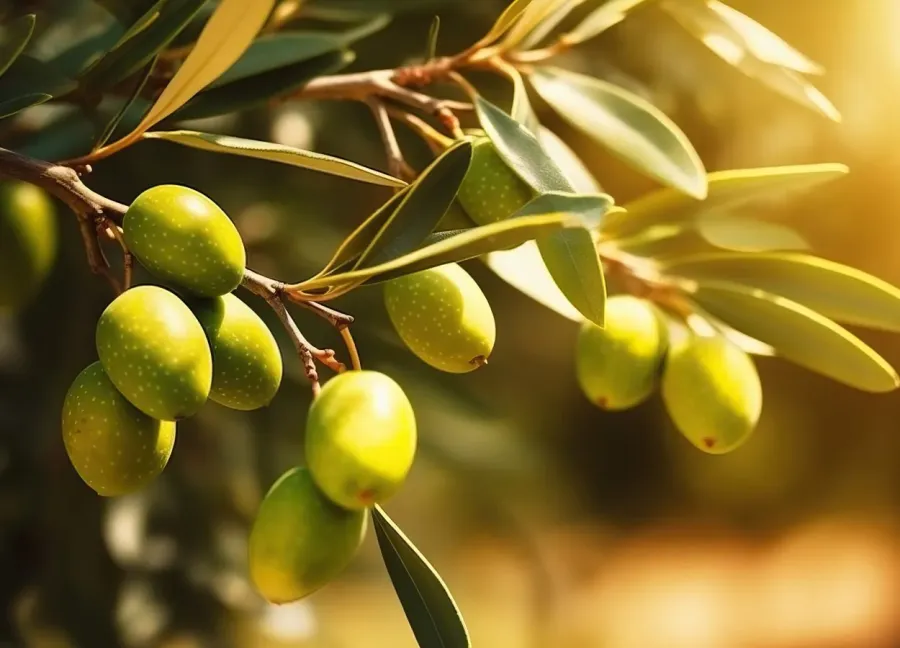
The Galega, the Cobrançosa and the Verdeal: The Portuguese Native Varieties Conquering the World
At a time when olive oil is establishing itself as one of the most studied and most highly valued foods of the Mediterranean diet, Portugal is emerging as one of the leading players in the global market.
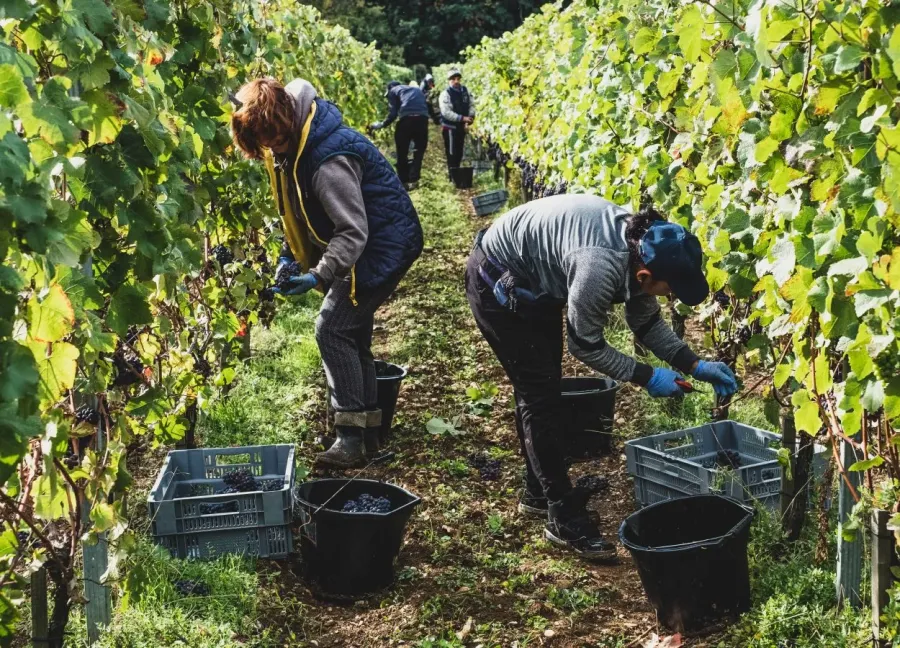
Climate change in Portuguese vineyards: what is changing and how to adapt?
In 2024, the International Organisation of Vine and Wine (OIV) recorded the lowest level of world production since 1961.

Frequently Asked Questions: Artificial Intelligence in Tourism Course
What is the aim of the AgroB Business School course on Artificial Intelligence in Tourism?