


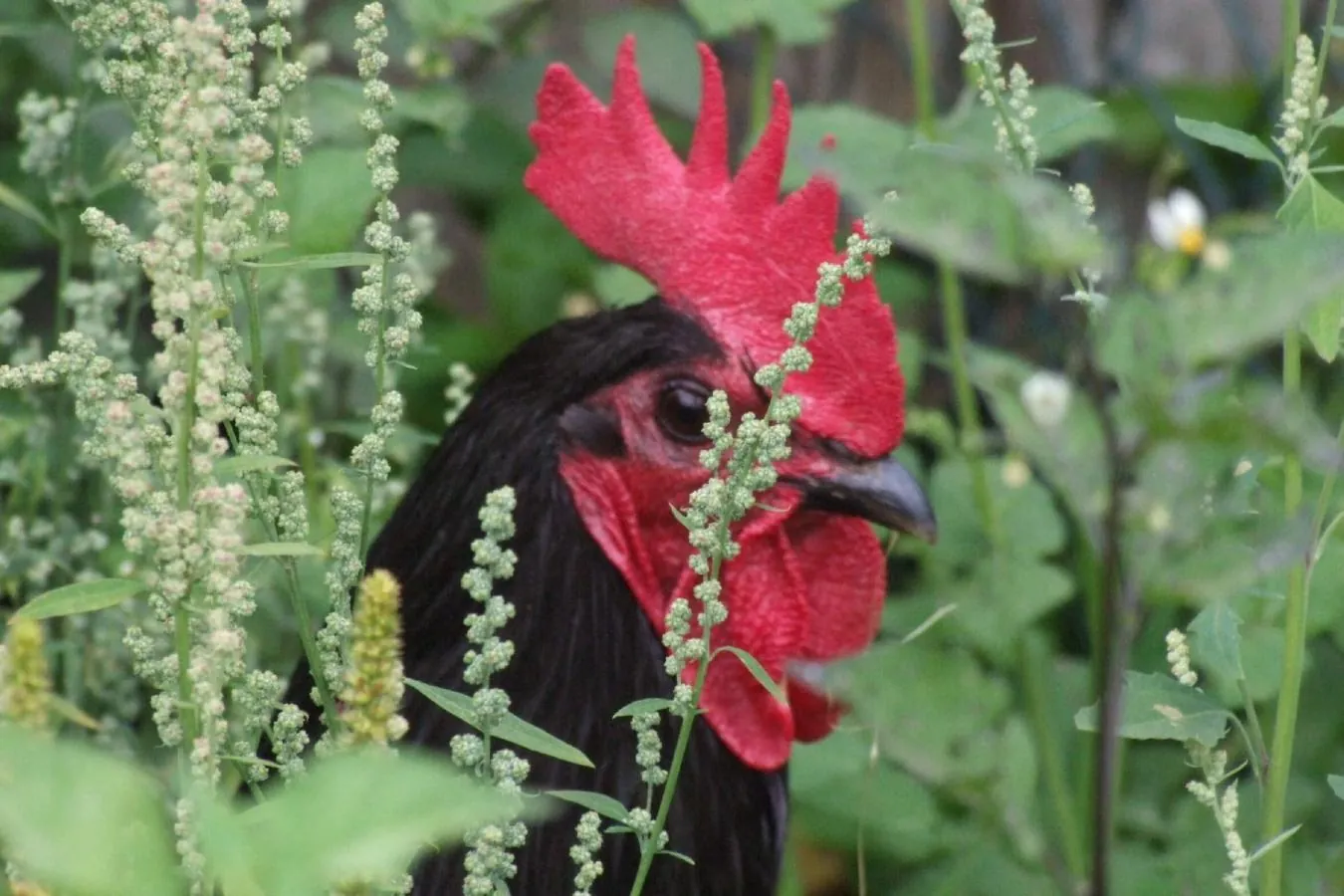
Certifying and preserving native breeds: the Preta Lusitânica hen
The certification of quality products has raised the profile of production systems that put the natural and the traditional first, drawing attention to the use of genetic resources adapted to the environment. This movement has been essential in securing distinctive, safe foods with added cultural value, increasingly sought after by discerning consumers.
Among Portugal's native breeds, the Preta Lusitânica is a striking example. Although it cannot compete with commercial strains in terms of rapid growth or intensive production, this breed comes into its own in traditional extensive systems. There, production is built on making the most of local resources, with low investment and a focus on superior product quality.
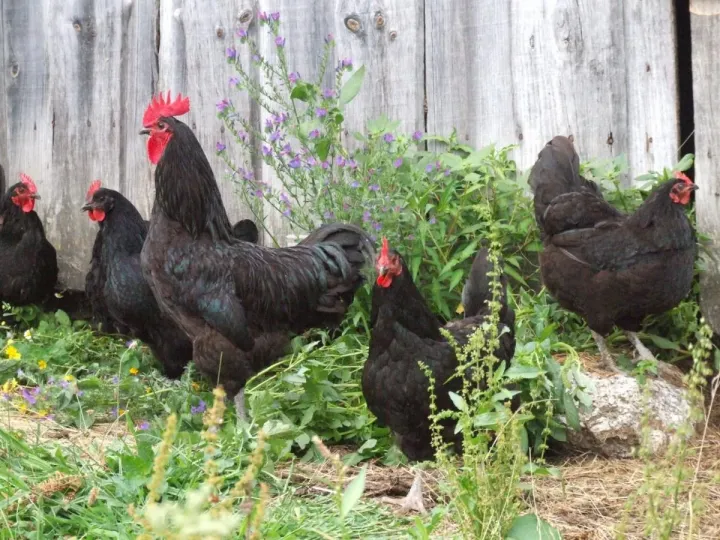
Source: DGAV
The Preta Lusitânica is widely recognised for its distinctive characteristics. As well as producing meat of superior quality, it is valued as a layer and a broody hen. The elegance of its black plumage gives it a distinction that goes beyond mere productive value.
Culturally, the breed is deeply rooted in Portuguese tradition. Its association with practices of occultism and spiritual protection is one example of how native animals form part of communities' intangible heritage. One of the best-known rituals in which the Preta Lusitânica plays a symbolic role is the "Banho dos Santos" in S. Bartolomeu do Mar, used to drive away fears and evil spirits.

Photograph: Banho dos Santos. Source: Jornal de Notícias – Ivan Del Val/Global Images
The industrialisation of poultry farming in the 1960s had a profound impact on native breeds, the Preta Lusitânica among them. The pursuit of greater productivity led to a decline in numbers and put the breed at risk of extinction. Conservation efforts have since partly reversed that trend. In 2019, the breed's herd book recorded 1,010 males and 5,213 females of pure line, spread across 271 breeders.
Today the largest concentration of Preta Lusitânica hens is found in the north-west of mainland Portugal, the region regarded as the cradle of the breed, with a few isolated occurrences elsewhere in the country.

Source: DGAV
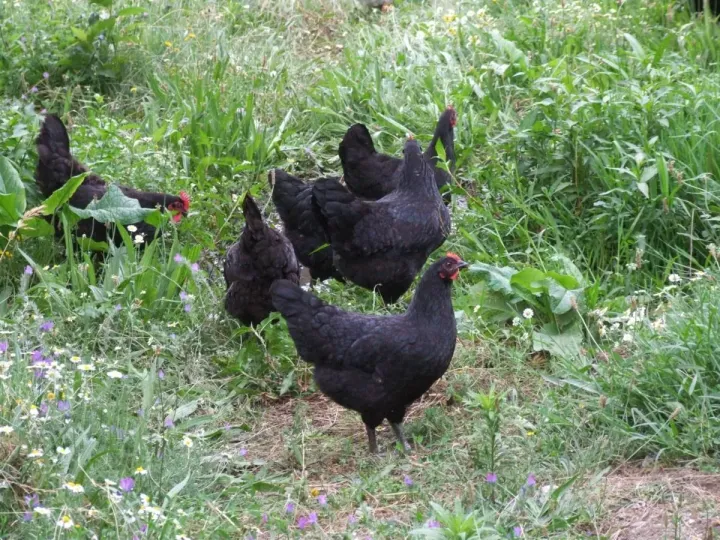
Rearing the Preta Lusitânica in traditional systems is a practice aligned with the principles of sustainability. These systems allow the birds to live freely and feed naturally, which results in lower water and medicine use and a reduced environmental impact. Preserving the breed also contributes to maintaining biodiversity and the national genetic heritage, both crucial to the balance of ecosystems and to future food security.
Although less productive than commercial strains, the Preta Lusitânica is a hardy breed, well adapted to local environmental conditions and less prone to disease, which reduces dependence on external inputs.
Source: DGAV
The value of the Preta Lusitânica is not limited to its role in sustainable farming; it is also a symbol of the link between the past and the future of agricultural production in Portugal. Growing interest in high-quality products associated with traditional practices has opened a window of opportunity for preserving the breed.
Did you already know the Preta Lusitânica hen? Do you have any experience of rearing native breeds or of traditional production systems?
Share your thoughts in the comments!
Keep exploring

The Galega, the Cobrançosa and the Verdeal: The Portuguese Native Varieties Conquering the World
At a time when olive oil is establishing itself as one of the most studied and most highly valued foods of the Mediterranean diet, Portugal is emerging as one of the leading players in the global market.

Climate change in Portuguese vineyards: what is changing and how to adapt?
In 2024, the International Organisation of Vine and Wine (OIV) recorded the lowest level of world production since 1961.

Frequently Asked Questions: Artificial Intelligence in Tourism Course
What is the aim of the AgroB Business School course on Artificial Intelligence in Tourism?