


Water Challenges in Portuguese Agriculture
According to World Resources Institute projections for 2040, Portugal is classified as being at high risk of water scarcity, which points to a significant probability of having to cope with a shortage of quality water to meet the country's needs. This picture is not uniform across the national territory, with the south proving more susceptible to scarcity.
It is worth noting that the farming sector consumes approximately 75% of the water available in Portugal. Against that backdrop, we look at the main challenges farmers face in managing this vital resource.
Scarcity and climate variability
Portugal is prone to periods of drought and climate variability, which directly affects the availability of water for agriculture.
That irregularity can compromise crop production, particularly in more arid regions such as the Alentejo and the Algarve.

Figure: Pego do Altar dam – "Seca no Alentejo", Renascença report
Growing pressure on water resources
Rising demand for water, not only in agriculture but in other areas such as industry and domestic consumption, puts additional pressure on the water resources available and makes efficient water management a challenge, and everyone's problem.
In Portugal, agriculture accounts for 75% of water use, followed by urban use (20%) and industry.
Erosion and soil degradation
Soil erosion caused by inadequate farming practices can reduce the soil's water retention, leading to a continuous cycle of erosion that forces an increase in the water resources used to meet the crop's needs, on a very thin margin.
Lack of adequate water infrastructure
In some regions, the water infrastructure for storing and distributing water for agricultural use is insufficient or inadequate.
According to the National Plan for the Efficient Use of Water (2012-2020), the farming sector recorded the highest water losses, reaching 37.5% of total consumption in 2009. This waste is related to storage, transport and distribution, and is partly attributable to the outdated infrastructure of the public dams, some of them built in the 1930s.
The need for modernisation and efficiency
Many farming methods, such as gravity, flood and sprinkler irrigation, are not efficient in their use of water. Improving the management of this resource by modernising and adopting more efficient irrigation techniques is crucial to meeting the water challenges in agriculture.
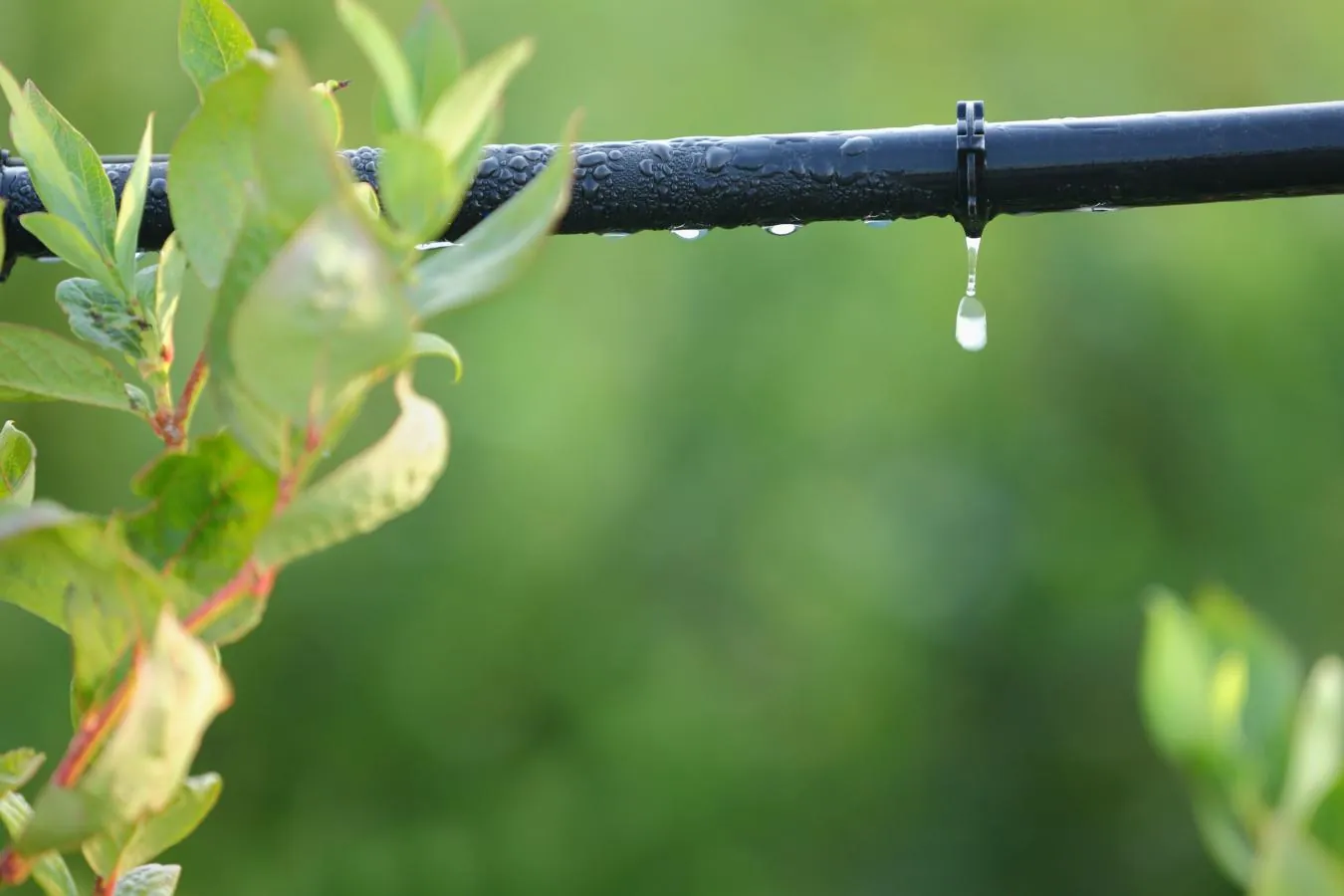
"O Uso de Água em Portugal" is a 2020 study by the Fundação Calouste Gulbenkian which concludes that 65% of Portuguese farmers have adopted drip irrigation.
The study stresses the importance of measuring rigorously, monitoring and managing water resources efficiently through the use of precision equipment and irrigation optimisation, such as probes.
Although they represent water savings of more than 20%, adopting these methods calls for greater knowledge of how to maintain them, and is something that should take several factors into account, chief among them the crop's water requirements, the soil and climate conditions, and the grower's capacity to invest.
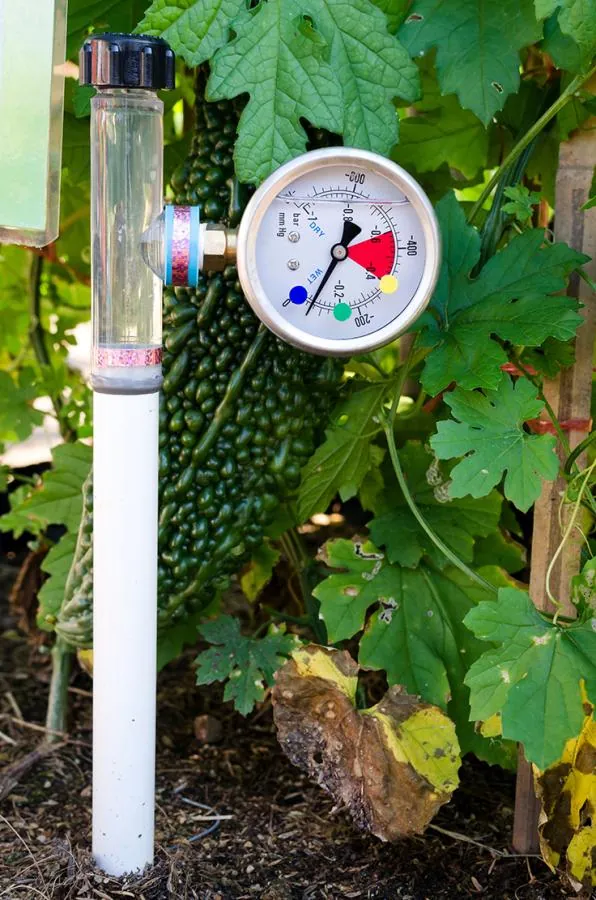
Figure: Soil moisture probe
Keep exploring
The Galega, the Cobrançosa and the Verdeal: The Portuguese Native Varieties Conquering the World
At a time when olive oil is establishing itself as one of the most studied and most highly valued foods of the Mediterranean diet, Portugal is emerging as one of the leading players in the global market.
Climate change in Portuguese vineyards: what is changing and how to adapt?
In 2024, the International Organisation of Vine and Wine (OIV) recorded the lowest level of world production since 1961.

Frequently Asked Questions: Artificial Intelligence in Tourism Course
What is the aim of the AgroB Business School course on Artificial Intelligence in Tourism?