


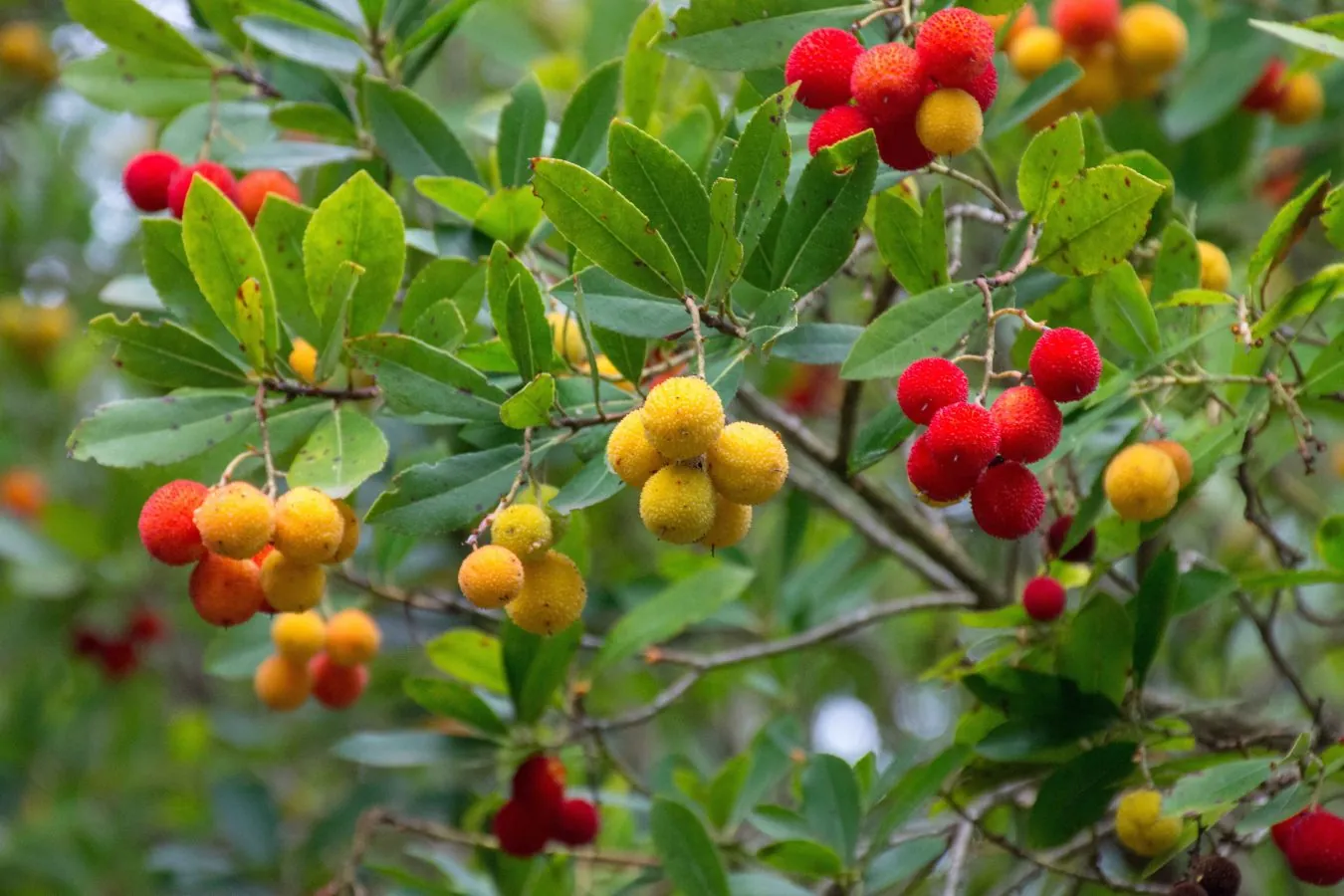
The Strawberry Tree in Forest Restocking
Amid mounting pressure on Portugal's forest ecosystems – marked by desertification, biodiversity loss and more frequent fires – the strawberry tree (Arbutus unedo) is emerging as a key species in the regeneration and restocking of degraded areas. This native plant combines ecological hardiness, economic value and regenerative capacity, which makes it a strategic bet for sustainable forest management in Portugal.
Botanical Profile and Distribution
The strawberry tree is an evergreen shrub or small tree of the Ericaceae family, reaching 2 to 8 metres in height, with a rounded crown and dark green, leathery, serrated leaves. Its phenological cycle is particularly interesting:
- Flowers: white or pink, bell-shaped, appearing between September and November.
- Fruit: the berries ripen in the autumn or winter following flowering, so flowers and fruit coexist on the same plant.
It occurs spontaneously across virtually all of mainland Portugal, above all on siliceous soils and in transition zones between forest and Mediterranean scrub.
Ecological Advantages: Resilience, Regeneration and Stabilisation
1. Fire resistance and regenerative capacity
The strawberry tree is a fire-resilient species. After a fire it regenerates effectively through stump sprouting and adventitious roots, ensuring rapid recovery of vegetation cover and preventing post-fire erosion.
Studies by the ICNF and the University of Évora indicate that areas restocked with strawberry tree recover their soil cover 2 to 3 times faster than areas dominated by eucalyptus or maritime pine.
2. Tackling erosion and desertification
Thanks to a robust root system adapted to poor soils, the strawberry tree anchors soils well and reduces surface run-off, making it essential on slopes and in areas at risk of desertification (the Beira Interior, the Alentejo and the Algarve highlands, for instance).
3. Supporting biodiversity
The flowers and fruit of the strawberry tree sustain a varied food chain:
- Bees and other pollinators benefit from its late flowering (September to November).
- Several species of birds and mammals eat the fruit.
- It acts as a host plant and shelter for native fauna.
Use in Reforestation and Silvopastoral Projects
The strawberry tree is ideal for low-impact agroforestry systems, allowing combinations with:
- Beekeeping: thanks to its autumn flowering and the production of strawberry tree honey, highly prized for its antioxidant-rich composition.
- Silvopasture: especially on land of poor agricultural potential. It can coexist with forage species or with controlled grazing by sheep and goats.
- Fire buffer zones: forming part of vegetation mosaics that break up the continuity of fuel.
Economic Value and Market Potential
The fruit of the strawberry tree carries added value in several segments:
| Use | Examples | Notes |
| Spirit | Aguardente de Medronho DOP (Monchique) | Commands a premium in gourmet markets |
| Food | Preserves, confectionery, dried snacks | Organic and health segment |
| Phytotherapy | Extracts with antioxidant and anti-inflammatory properties | Research in cosmetics and pharmaceuticals |
| Strawberry tree honey | Product in high demand on the European market | Bitter, dark and rich in phenolic compounds |
The strawberry tree also fits within agricultural investment projects, ecological compensation measures and reforestation support programmes such as PEPAC, the PRR and Fundo Ambiental instruments.
Technical Considerations for Planting
| Factor | Recommendation |
| Aspect | Full sun or partial shade |
| Altitude | Up to 800 m |
| Soil type | Acid, well drained, siliceous or granitic |
| Spacing | 4×4 m to 5×5 m in forest stands |
| Density | 400 to 625 plants/ha |
| Maintenance | Clearing in the first 2 years, initial irrigation, protection against wildlife |
The use of certified plant material is recommended, to guarantee productivity and local adaptation.
The strawberry tree is a strategic option for forest restocking in Portugal, combining ecological, economic and social benefits. Bringing it into landscape regeneration projects contributes to:
- Lower fire risk
- Greater biodiversity
- Carbon fixation and climate change mitigation
- The development of short rural value chains
Realising that value does, however, call for careful technical planning, the involvement of local communities and institutional support.
Keep exploring
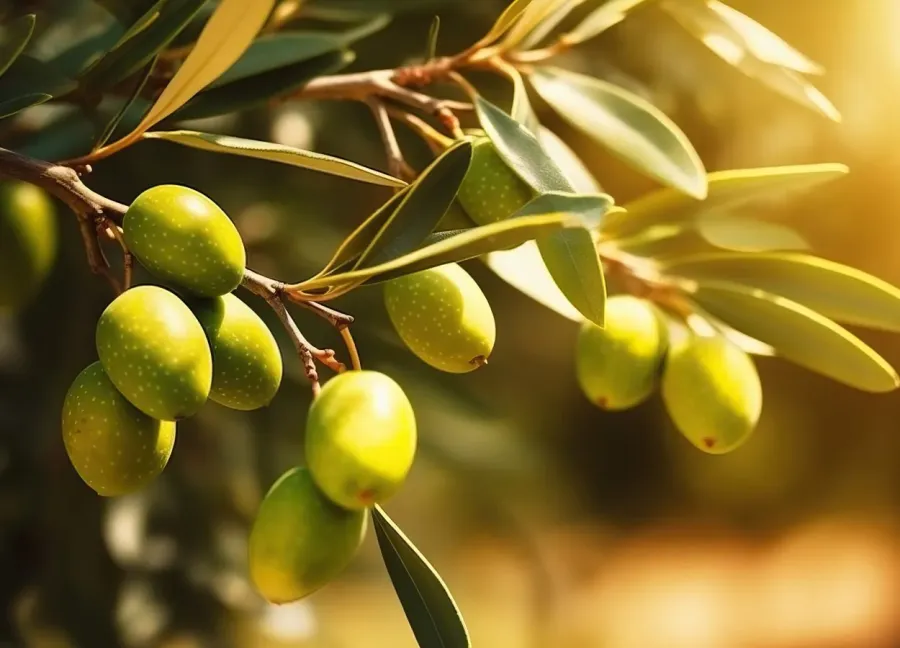
The Galega, the Cobrançosa and the Verdeal: The Portuguese Native Varieties Conquering the World
At a time when olive oil is establishing itself as one of the most studied and most highly valued foods of the Mediterranean diet, Portugal is emerging as one of the leading players in the global market.
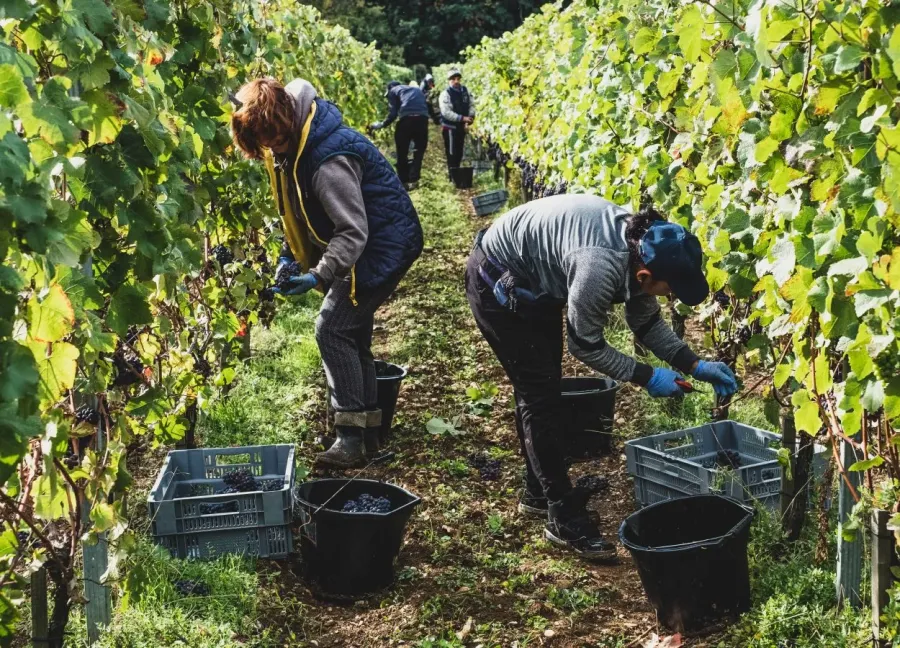
Climate change in Portuguese vineyards: what is changing and how to adapt?
In 2024, the International Organisation of Vine and Wine (OIV) recorded the lowest level of world production since 1961.

Frequently Asked Questions: Artificial Intelligence in Tourism Course
What is the aim of the AgroB Business School course on Artificial Intelligence in Tourism?