


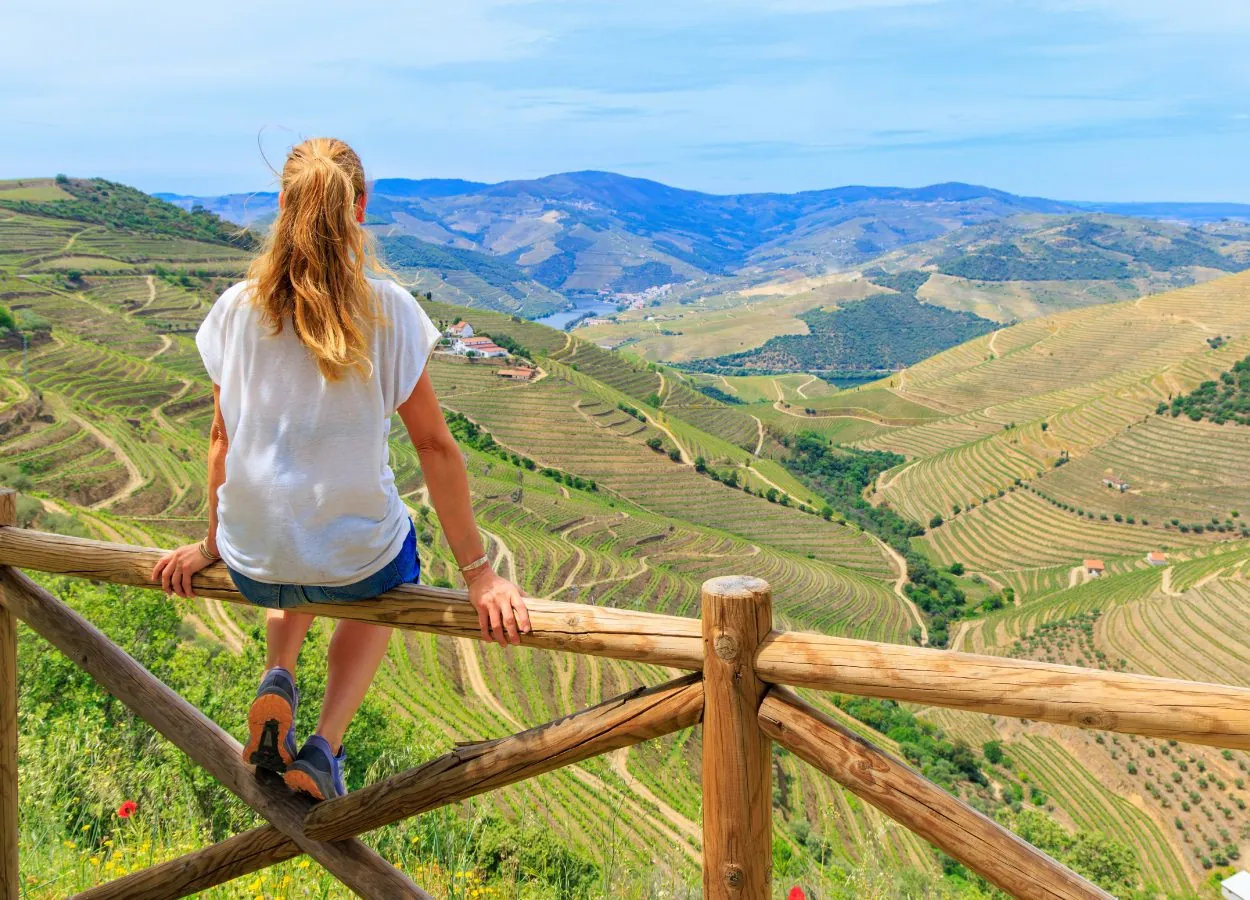
Thinking of investing in Rural Tourism? Here are the first steps
Rural Tourism (TER) has been establishing itself as a solid investment alternative, especially in sparsely populated areas. Between opportunities to add value to heritage buildings, financial incentives and growing demand for authentic experiences, the sector has become particularly attractive to entrepreneurs with a connection to the countryside.
In this article we explain what it takes to invest legally and successfully in a rural tourism business in Portugal.
What counts as Rural Tourism?
Under Decree-Law no. 228/2009 (currently in force), TER establishments are those that:
- Are located in a rural area;
- Use buildings of architectural, historical or heritage value, or buildings that respect the region's design and materials;
- Offer tourist accommodation that is rural, traditional and authentic in character.
Possible TER categories
- Country House: a building in a rural area with traditional characteristics, which may or may not be the owner's residence.
- Agritourism: a unit set within a working farm, where guests can take part in agricultural activities.
- Rural Hotel: a larger establishment with full hotel services, while respecting the rural setting and architecture.
- Campsites and Glamping (when set in a rural context within the TER framework).
Legal requirements and licensing
- Checking planning viability
-
- The Municipal Master Plan (PDM) must be consulted;
- In RAN or REN areas, land-use restrictions need to be assessed.
- Prior Information Request (PIP) – optional, but advisable;
- Planning and use permits from the municipal council;
- Registration of the accommodation in the National Register of Tourist Establishments (RNET);
- Compliance with minimum requirements (infrastructure, safety, accessibility, etc.);
- In the case of Agritourism, proof of regular agricultural activity must be provided.
Support and financial incentives
Several incentive programmes are available, above all for inland areas:
- PT2030 – +CO3SO Rural Programme (in some regions): non-repayable support for creating accommodation and jobs;
- PDR 2020 / RDP 2030: measures linked to diversifying agricultural activity into tourism;
- Turismo de Portugal: specific funding lines supporting sustainable tourism and the development of inland regions.
Note: these forms of support are time-limited and subject to application windows, so it is essential to assess the right moment with a technical consultant.
Market opportunities
- Demand for authentic, sustainable experiences with a connection to nature is growing steadily;
- Rural accommodation already accounts for around 20% of domestic tourism in some regions;
- There are opportunities in niches such as: gastronomic tourism, equestrian tourism, walking, birdwatching, wine tourism and astrotourism.
Risks and critical points
- Investments without a realistic business plan tend to fail;
- Seasonality is still a problem in inland areas;
- The excess of licences in some regions is leading to a blurring of the offer;
- Running a TER demands an active presence, marketing capability and excellence in hospitality.
Investing in Rural Tourism can be a profitable opportunity, and one aligned with adding value to the territory. It does, however, require planning, technical knowledge and strict compliance with the law.
Espaço Visual has a specialist technical team to provide support from the feasibility study through to licensing and applications for funding.
If you are considering this kind of investment, this is the right moment to plan with a long-term view.
Keep exploring
The Galega, the Cobrançosa and the Verdeal: The Portuguese Native Varieties Conquering the World
At a time when olive oil is establishing itself as one of the most studied and most highly valued foods of the Mediterranean diet, Portugal is emerging as one of the leading players in the global market.
Climate change in Portuguese vineyards: what is changing and how to adapt?
In 2024, the International Organisation of Vine and Wine (OIV) recorded the lowest level of world production since 1961.

Frequently Asked Questions: Artificial Intelligence in Tourism Course
What is the aim of the AgroB Business School course on Artificial Intelligence in Tourism?