


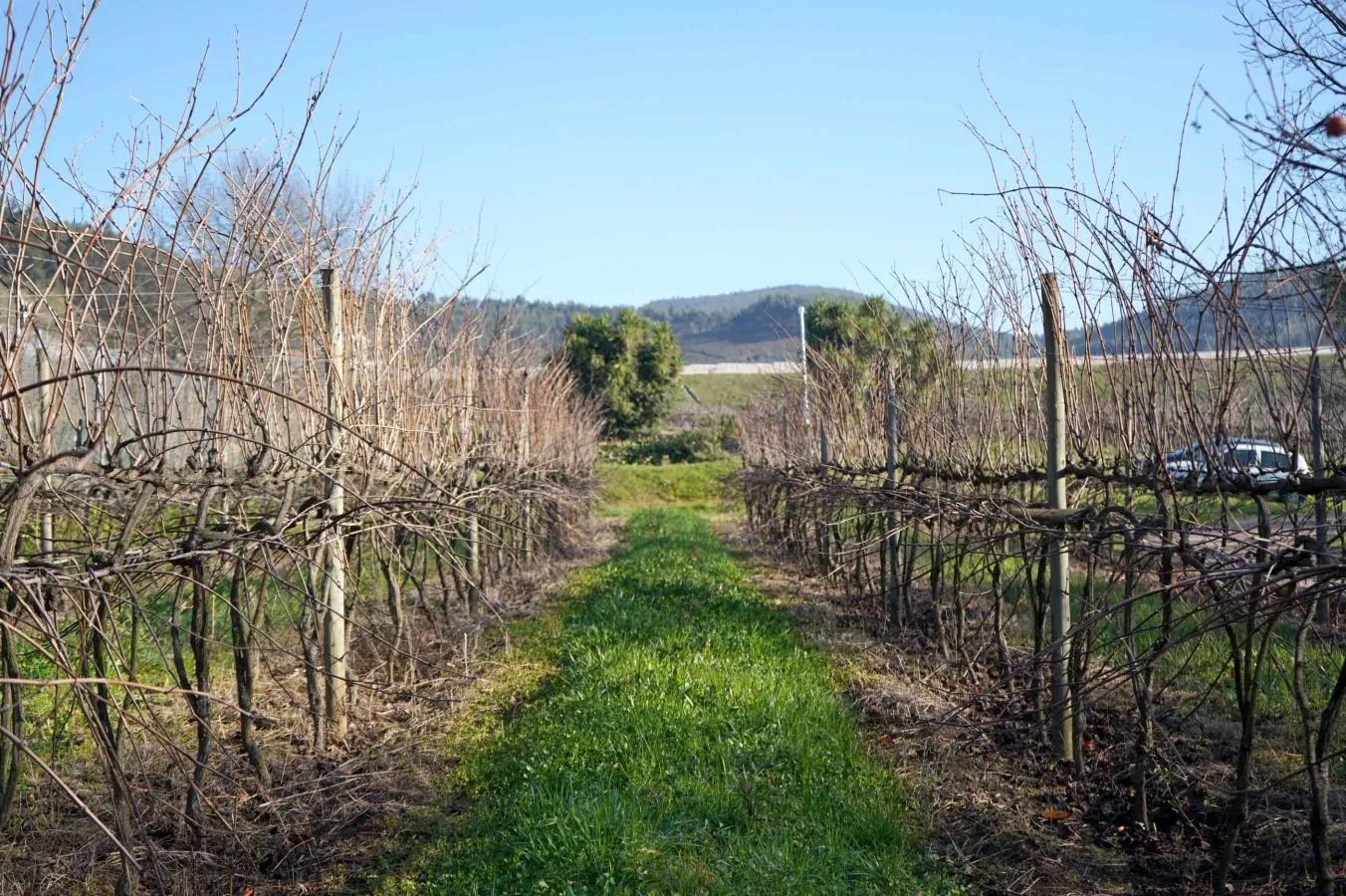
Regenerative Agriculture
The overriding aim of regenerative agriculture is to restore and improve farming systems. That places added importance on how resources are used, seeking to improve them rather than deplete them.
5 principles of regenerative agriculture
Undisturbed soils – Preserving the soil microbiome
These microorganisms perform a number of services useful to the crop and to the grower, notably making nutrients available and storing carbon.
Covered soils – Reducing the risk of erosion
Protected soils are less exposed to weather conditions and are able to preserve their structure. Organic covers help to increase the organic matter in the soil.
Crop diversification – Feeding the soil
Each crop takes in and exports different soil nutrients. Intercropping promotes a synergy that is essential in meeting the plants' mutual needs.

Living roots – Improving soil and water quality
Roots are natural magnets for microorganisms and improve soil structure through aeration and nutrient exchange. One way of achieving this is by growing perennial plants on the holding.
Grazing – Increasing soil fertility
Through planned grazing, the animals feed themselves while at the same time reducing the inputs needed in terms of soil nutrients.

Because of the nature of regenerative agriculture, there is no single approach: practices differ according to the resources available for the grower to work with and improve.
Beyond mitigating climate change, in the long run fewer resources will be needed, bringing greater financial benefits for producers.
Do you apply any of these practices on your holding?
Tell us in the comments!
Keep exploring
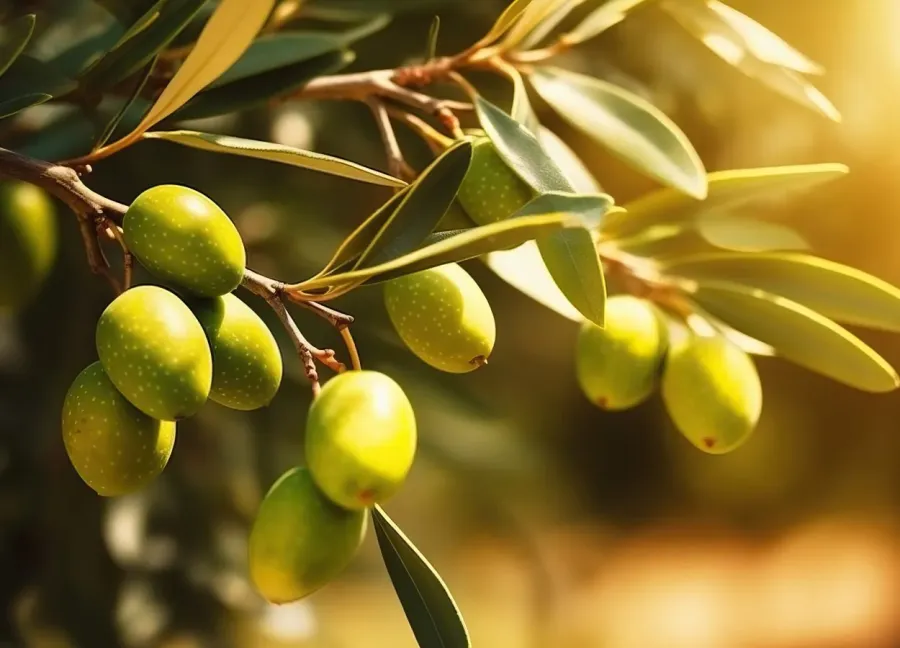
The Galega, the Cobrançosa and the Verdeal: The Portuguese Native Varieties Conquering the World
At a time when olive oil is establishing itself as one of the most studied and most highly valued foods of the Mediterranean diet, Portugal is emerging as one of the leading players in the global market.
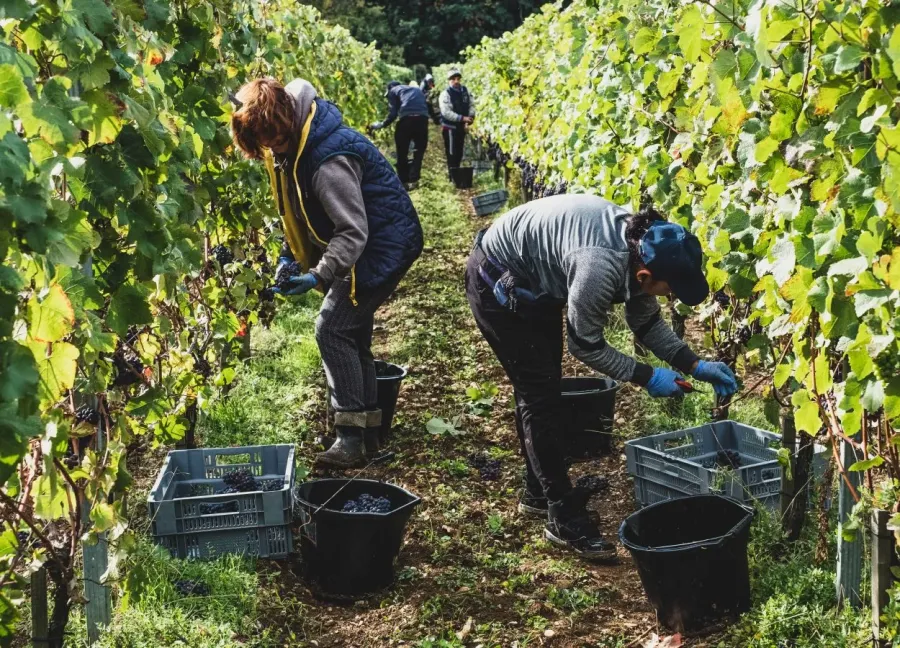
Climate change in Portuguese vineyards: what is changing and how to adapt?
In 2024, the International Organisation of Vine and Wine (OIV) recorded the lowest level of world production since 1961.

Frequently Asked Questions: Artificial Intelligence in Tourism Course
What is the aim of the AgroB Business School course on Artificial Intelligence in Tourism?