


Flowering in kiwifruit
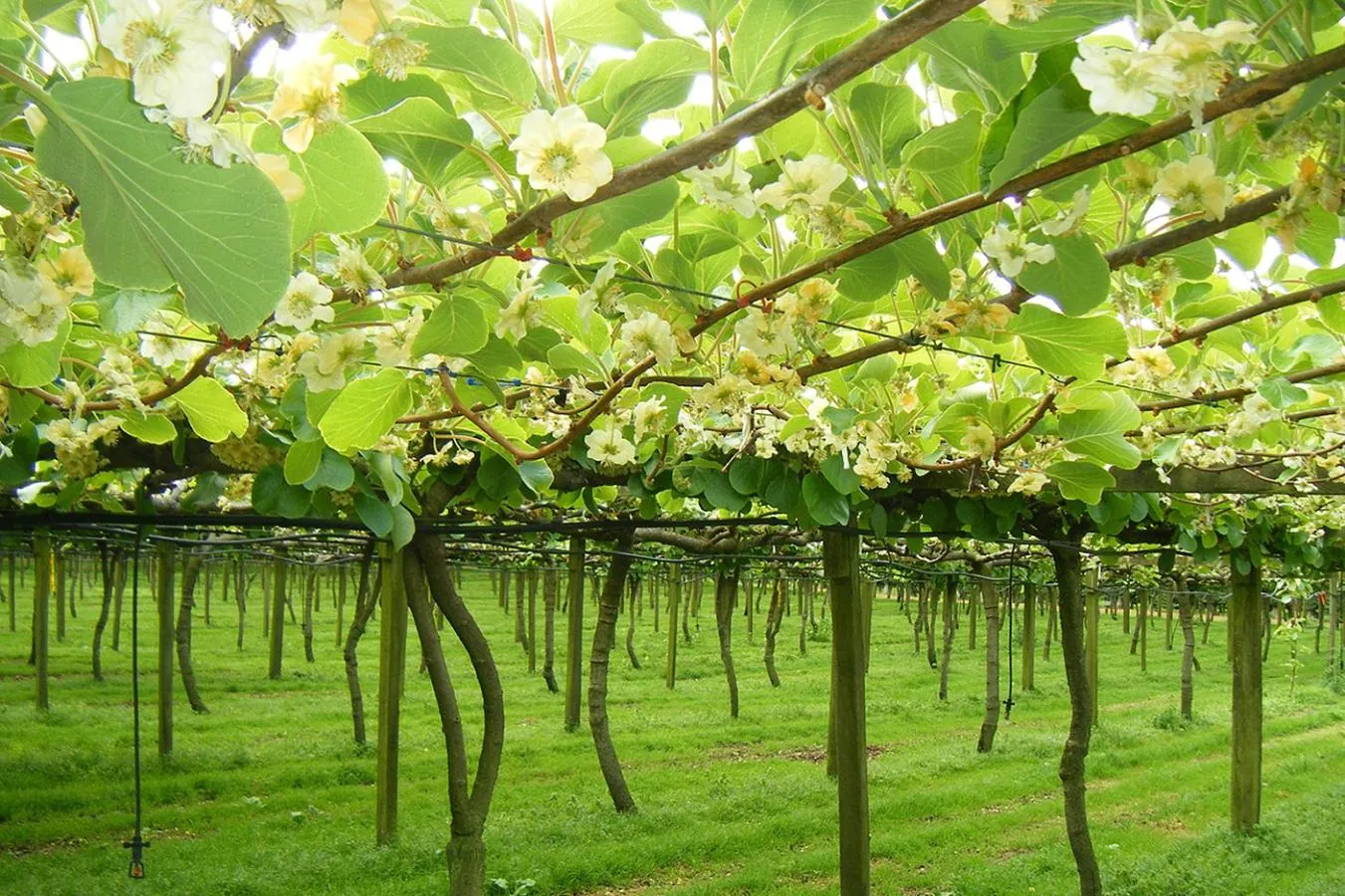
Flowering in the kiwifruit crop generally takes place between the third week of May and the beginning of June.

Figure: Biological cycle of kiwifruit
Kiwifruit is a dioecious plant, that is, plants produce either female or male flowers. This is an essential point for understanding the crop. The presence or absence of male flowers affects the qualitative and quantitative success of production.
When observing female and male flowers, it is possible to identify both sexual organs in the same flower, which makes it hermaphrodite. Physiologically, however, only one of the reproductive sets is active.
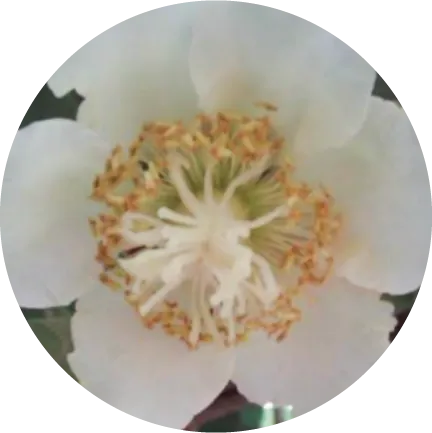
FEMALE FLOWERS
Larger than the male ones; They have stamens that produce sterile pollen; The ovary sits high and is easily visible.
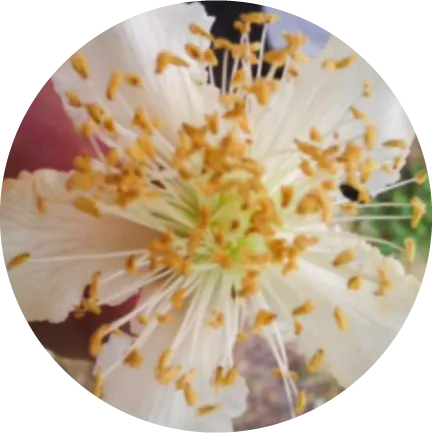
MALE FLOWERS
They have the more developed reproductive organs (stamens and filaments); A gynoecium is present but underdeveloped; The pollen produced is not compatible with the flower's own ovary.
With that in mind, a study of female and male varieties should be carried out in order to avoid incompatibilities between plants and to ensure that flowers open at compatible times.
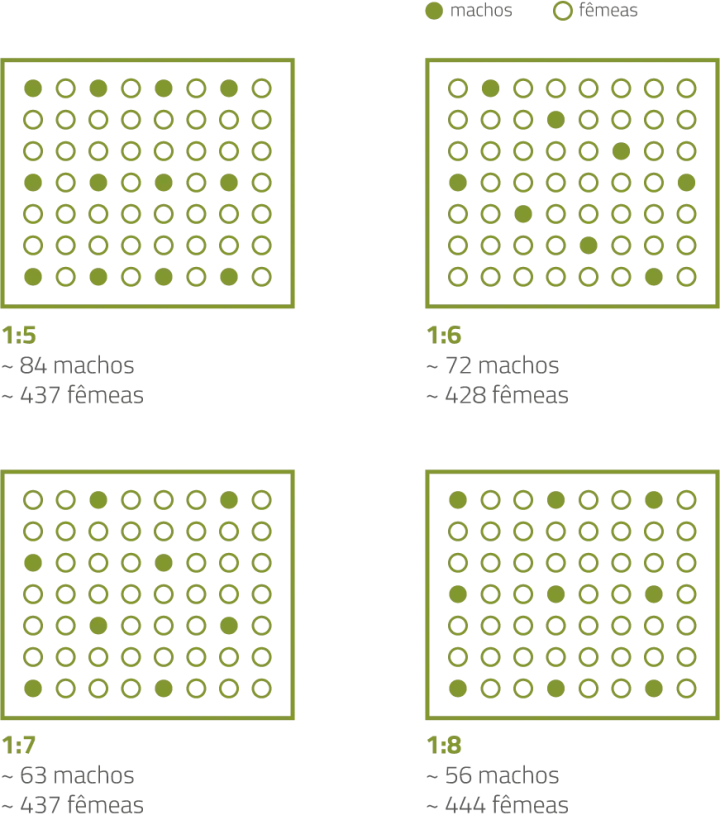
Once the varieties have been chosen, they must be laid out correctly so that the male plant is able to pollinate the intended number of female plants.
The ratio of females to males varies according to the planting distances and the intended layout. The most common, however, is one male plant for every 4 or 5 females (1:4/1:5).
Did you know these details of kiwifruit flowering?
Tell us in the comments!
Keep exploring
The Galega, the Cobrançosa and the Verdeal: The Portuguese Native Varieties Conquering the World
At a time when olive oil is establishing itself as one of the most studied and most highly valued foods of the Mediterranean diet, Portugal is emerging as one of the leading players in the global market.
Climate change in Portuguese vineyards: what is changing and how to adapt?
In 2024, the International Organisation of Vine and Wine (OIV) recorded the lowest level of world production since 1961.

Frequently Asked Questions: Artificial Intelligence in Tourism Course
What is the aim of the AgroB Business School course on Artificial Intelligence in Tourism?