


Licensing in Farming: Common Mistakes and How to Avoid Them
Licensing a farm holding is an essential step in ensuring it meets the legal and environmental requirements set by the authorities. Many producers, however, run into delays and bureaucratic obstacles because they are unaware of the rules or make mistakes along the way.
In this article we look at the main types of licence, the most common mistakes and practical tips for speeding the process up.
1. What are the main types of agricultural licence?
Depending on the nature of the farming activity and on the location and characteristics of the holding, different types of licence may be required. The most common include:
- Environmental Impact Assessment: required for setting up or altering larger or higher-impact farm holdings (for example, intensive poultry and pig rearing), under the Environmental Impact Assessment legal regime (RJAIA);
- Water Resources Use Permit: compulsory for surface or groundwater abstraction for irrigation or industrial purposes, such as boreholes, wells, ponds or watercourses;
- Environmental Licensing: applies to holdings whose activity is on a scale that may have a significant impact on the environment (for example, pig farms or large greenhouses);
- Licensing of Farm Buildings (planning permission): covers warehouses, greenhouses, stables and reservoirs, requiring authorisation from the municipality and, in some cases, opinions from other bodies such as ICNF or CCDR;
- Industrial Licensing: covers units that process or pack agricultural produce and need authorisation to operate, handled through the Responsible Industry System (SIR);
- Livestock Licensing: includes the registration and licensing of holdings with animals under the New Regime for the Exercise of Livestock Activity (NRAEP) in SNIRA (the national animal information and registration system);
- Licensing for the Sale, Distribution and Application of Plant Protection Products: required for establishments that sell, distribute or apply plant protection products, subject to specific rules;
- Applications for Non-Agricultural Use of Land Classified as RAN: for activity in areas classified as National Agricultural Reserve (RAN), authorisation for the investment must be requested from the Regional Coordination and Development Commission;
- Applications for Use of Land Classified as REN: for activity in areas classified as National Ecological Reserve (REN), authorisation for the investment must be requested from the Regional Coordination and Development Commission;
- Authorisations in Protected Areas: farming projects in classified areas under ICNF jurisdiction (such as nature parks or Natura 2000 sites) require prior approval;
- Vines: planting vines is subject to restrictions and the producer must register with IVV, I.P. – Instituto da Vinha e do Vinho;
- Implementing Agricultural Certification: adding value to and marketing the output of certain activities requires voluntary certification standards such as GlobalG.A.P., essential for demanding markets;
- Felling cork and holm oaks: authorisation for this must always be requested from ICNF.
2. What documents does the licensing process require?
The paperwork varies according to the type of licence, but generally includes:
- Identification of the applicant (tax number, identity card);
- Identification of the rural property (land registry record, property registration certificate);
- Location plan and site layout plan;
- Descriptive statement of the activity/holding;
- Declaration of commencement of activity or proof of sole trader status;
- Opinions from external bodies (for example ICNF, APA, CCDR), where applicable;
- Detailed design of any buildings, where these exist.
3. What are the most common mistakes in agricultural licensing?
Despite the guides and digital platforms available, the following mistakes are very common:
- Property records that are out of date: many applications stall because of discrepancies between the land registry and the reality on the ground;
- Not knowing which licence applies: it is common for work or activity to begin without the operator realising that a specific licence is required;
- Submitting incomplete paperwork: missing plans, descriptive statements or opinions can hold the process up considerably;
- Ignoring environmental legislation**:** activities that affect natural resources (water, soil, wildlife) are subject to tighter rules and require additional licences;
- Poorly prepared applications or applications submitted on the wrong platform: using the wrong platform or failing to complete the technical detail leads to rejection or to requests for clarification.
4. How can mistakes and delays in the licensing process be avoided?
To make sure licensing runs smoothly, here are some recommendations:
- Consult specialist technical advisers first**:** agronomists and consultants know the legal framework and help you avoid basic errors;
- Check and update the property records**:** before starting any application, make sure the property details held by the tax office and the land registry are correct;
- Get the paperwork together early: gather all the necessary documents in advance and in digital format, ready for submission;
- Consult local bodies**:** municipal councils and the Regional Coordination and Development Commissions can answer specific questions about your holding;
- Follow the application closely**:** once submitted, keep track of its status and respond quickly to any requests for clarification.
Licensing in farming is a critical stage in ensuring that a rural holding meets every legal, environmental and health requirement.
With an informed, technical and well-planned approach, producers can avoid common mistakes, speed their applications up and take confident steps in developing their farming activity.
Find out how we can help HERE!
Keep exploring
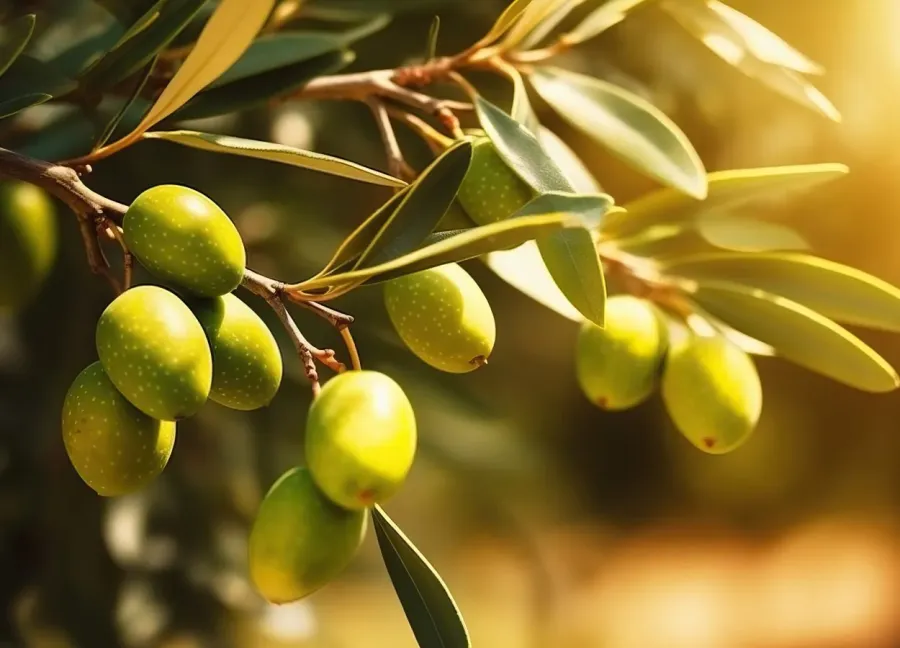
The Galega, the Cobrançosa and the Verdeal: The Portuguese Native Varieties Conquering the World
At a time when olive oil is establishing itself as one of the most studied and most highly valued foods of the Mediterranean diet, Portugal is emerging as one of the leading players in the global market.
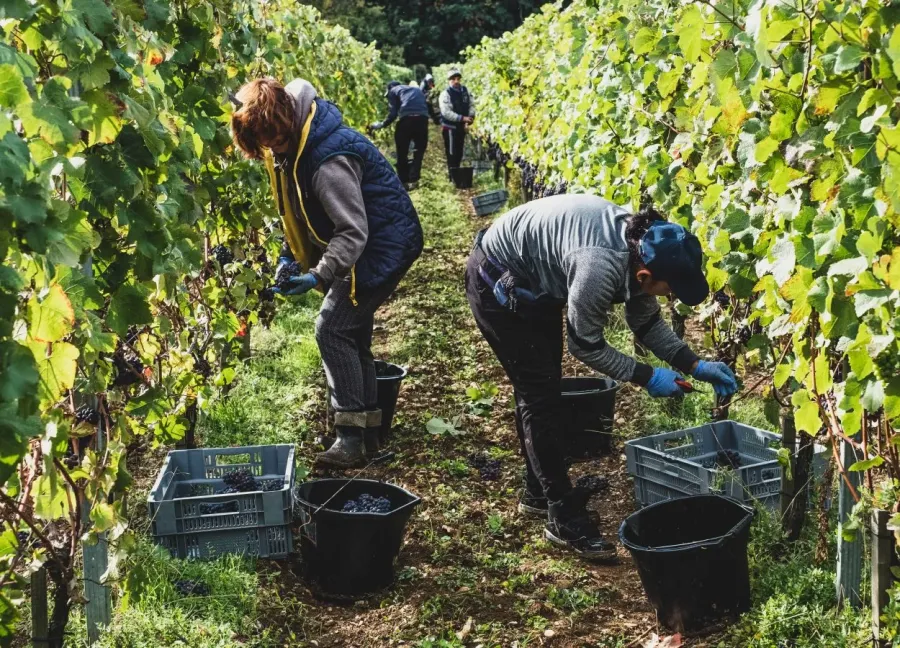
Climate change in Portuguese vineyards: what is changing and how to adapt?
In 2024, the International Organisation of Vine and Wine (OIV) recorded the lowest level of world production since 1961.

Frequently Asked Questions: Artificial Intelligence in Tourism Course
What is the aim of the AgroB Business School course on Artificial Intelligence in Tourism?