


The Impact of Wildfires on Agricultural Production
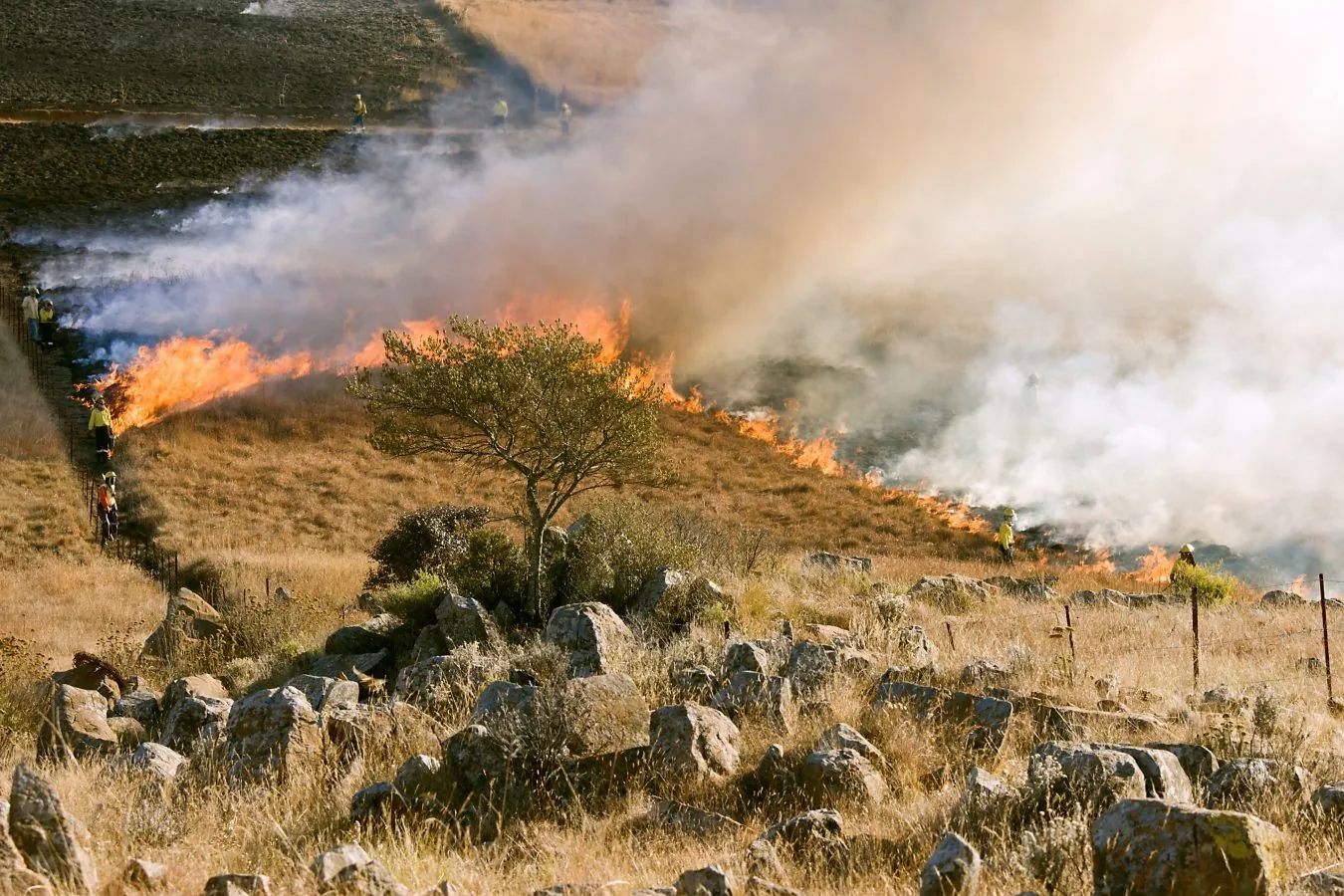
Year after year, Portugal is one of the European countries most affected by rural fires. When we think of these events, we often picture burnt fields and devastated landscapes above all else. The truth, however, is that the consequences go far beyond that: they hit farming and livestock production directly and, as a result, the rural economy and the livelihoods of thousands of families.
The scale of the loss: figures that speak for themselves
By 20 August, the Institute for Nature Conservation and Forests (ICNF) had recorded 6,536 incidents in Portugal, responsible for destroying more than 220,000 hectares of rural land. Within that striking figure are 28,000 hectares of devastated farmland.
These numbers conceal harsh realities: farmers who have lost entire vineyards, century-old olive groves, orchards, vegetable plots and meadows. Families who see a lifetime's work turned to ashes in a matter of hours. The impact is not only economic, but also social, environmental and psychological.
Prevention: the best weapon against fire
If rural fires cannot be eliminated entirely, they can be mitigated through prevention. And farming plays a fundamental role here. Keeping fields and woodland clear and reducing combustible material is essential, as is extensive grazing, which acts as a natural way of controlling scrub. Actively working farmland prevents abandonment, which so often becomes a fuse. Crop diversification and efficient irrigation management contribute to more resilient farms, while firebreaks and feed reserves for livestock are measures that improve safety in emergencies.
Prevention is, however, a collective responsibility. It requires collaboration between farmers, municipalities, state bodies and local communities.
The direct impact on farming and livestock
When fire reaches the fields, the consequences are immediate. Food crops such as vines, olive groves, vegetable plots and cereals are lost in an instant, compromising a whole year's production. Pastures are destroyed and livestock become dependent on bought-in feed, which significantly increases production costs.
Intense heat degrades soils, reduces organic matter, accelerates erosion and undermines fertility. Infrastructure such as greenhouses, warehouses, irrigation systems, fencing and farm equipment is often consumed by the flames. Each incident represents months or years of lost ground, requiring substantial investment to recover. For many small farmers it can mean unsustainable debt, loss of support payments and even leaving the business altogether.
The role of firefighters: heroes of the territory
While farmers and families fight for survival, firefighters are on the front line. Their work goes far beyond putting out fires: they protect homes, animals, harvests and human lives. They face extreme conditions, long hours of firefighting and constant risk.
Support from society is essential: observing safety rules in rural areas, avoiding burning waste, supporting local fire brigades with donations or essential goods, and recognising the efforts of these professionals through campaigns and initiatives.
Together for a more resilient countryside
Rural and agricultural fires are not only an environmental problem. They are an economic, social and human challenge. Farming and livestock production, essential to our food sovereignty and to the rural economy, are on the front line of this fight.
The answer lies in investing in prevention, supporting those affected quickly and effectively, investing in more resilient farming systems and promoting a culture of collective responsibility. Protecting the countryside is not just about preserving the landscape: it is about protecting the future, our food, the economy and the lives of the communities that give rural Portugal its identity.
Keep exploring
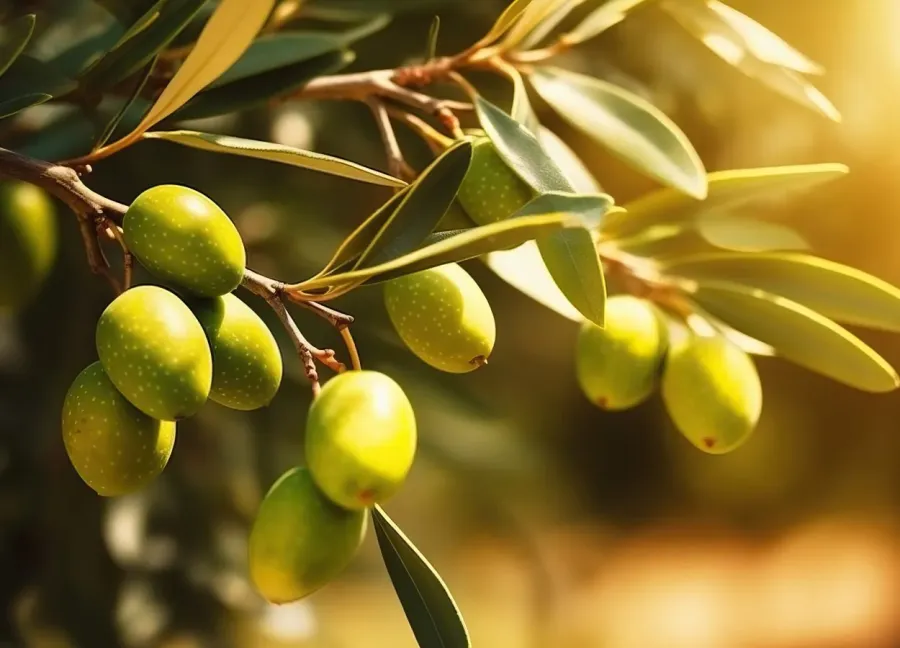
The Galega, the Cobrançosa and the Verdeal: The Portuguese Native Varieties Conquering the World
At a time when olive oil is establishing itself as one of the most studied and most highly valued foods of the Mediterranean diet, Portugal is emerging as one of the leading players in the global market.
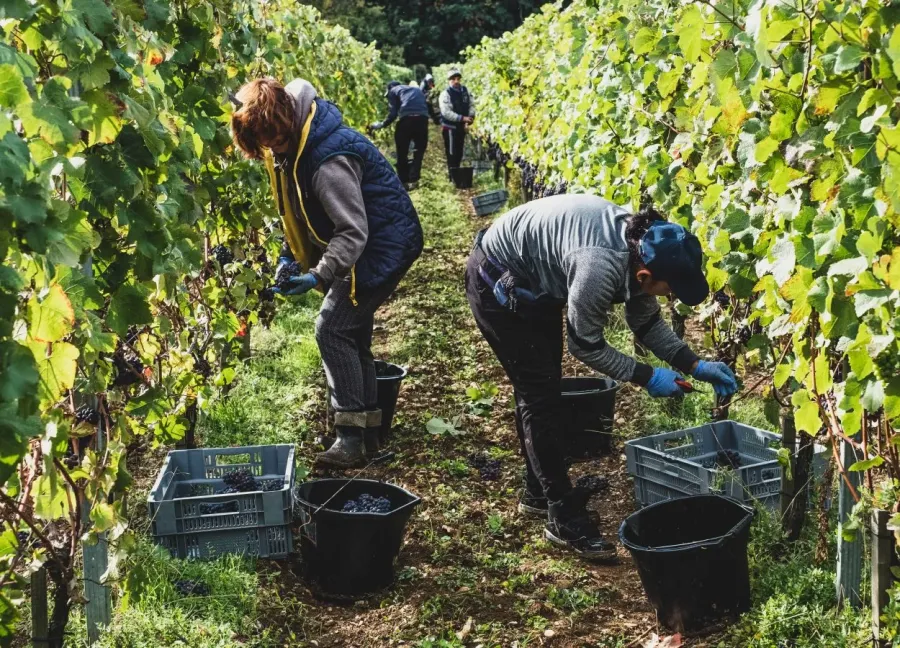
Climate change in Portuguese vineyards: what is changing and how to adapt?
In 2024, the International Organisation of Vine and Wine (OIV) recorded the lowest level of world production since 1961.

Frequently Asked Questions: Artificial Intelligence in Tourism Course
What is the aim of the AgroB Business School course on Artificial Intelligence in Tourism?