


Composting organic waste, the path to a more sustainable agriculture
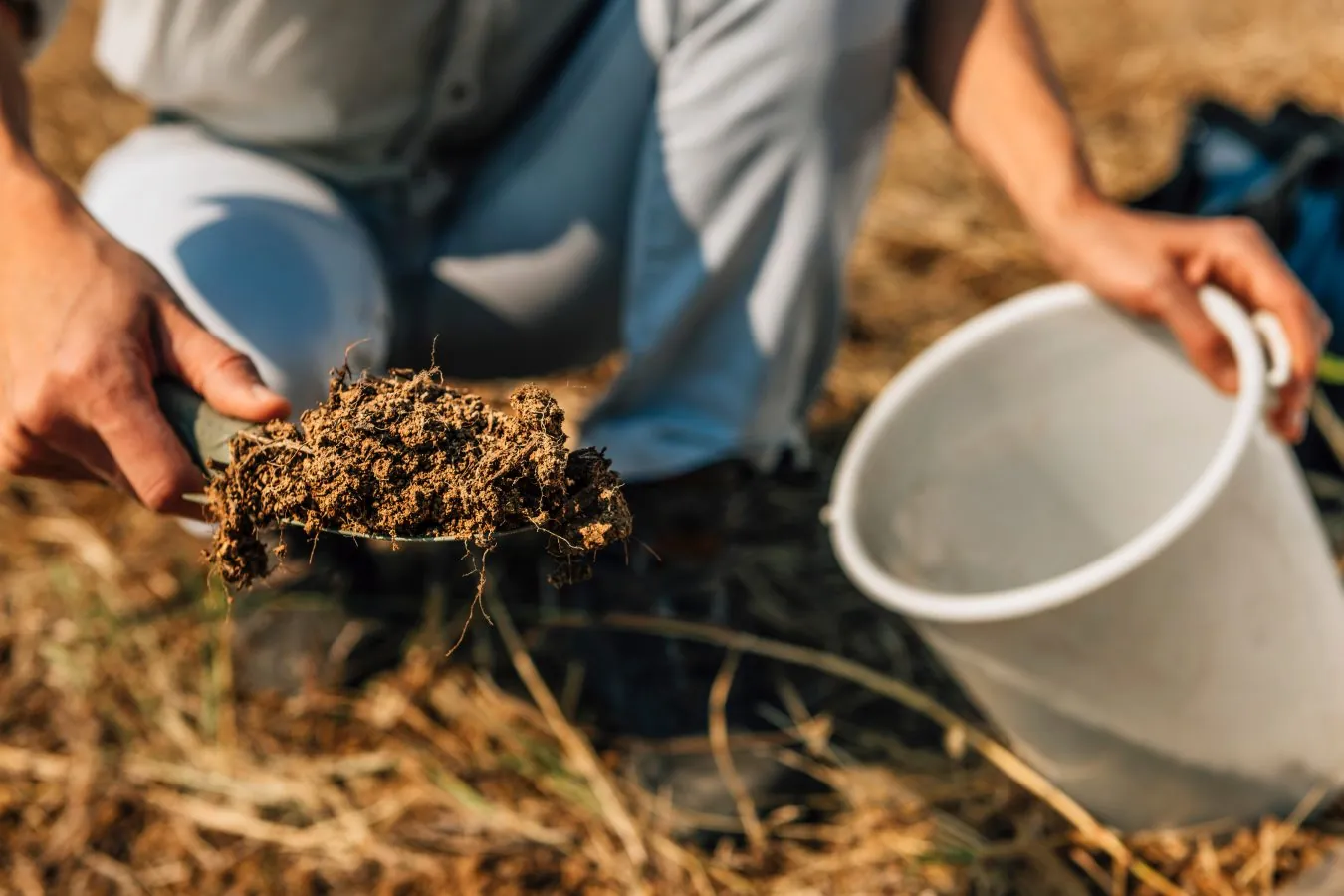
Composting is an age-old practice that remains one of the most effective ways of making agriculture more sustainable. It consists of turning organic waste, such as crop residues, leaves, pruning trimmings and organic matter of animal origin, into a natural fertiliser that is rich in nutrients and fundamental to the regeneration of the soil.
This natural process of decomposition returns to the land what came out of it. The resulting compost improves fertility, increases water retention capacity and strengthens soil structure, making it more resistant to erosion and to climatic variation. It also promotes the microbial activity essential to plant health, supplying nutrients gradually and in a balanced way, without the risks of depletion associated with the intensive use of chemical fertilisers.
The inclusion of animal organic matter plays an important part, since it supplies nitrogen and other elements indispensable to plant development. When combined with plant residues, it enriches the compost and results in a more complete and nutritious end product. The key lies in managing the quantities properly, ensuring the process runs safely, without unpleasant odours or risks of contamination.
Practical tips for good composting
- Choose a spot sheltered from rain and direct sun, with good ventilation.
- Mix carbon-rich materials (straw, dry leaves) with nitrogen-rich materials (fresh crop residues and animal organic matter).
- Respect the ideal ratio: around2 parts dry material (carbon) to 1 part fresh material (nitrogen).
- Keep the moisture level similar to that of a wrung-out sponge, avoiding excess water.
- Turn the heap regularly to ensure oxygenation, prevent bad odours and speed up decomposition.
- Monitor the temperature: a healthy heap warms up naturally and can reach between50 and 70 degrees Celsius, which accelerates decomposition and eliminates unwanted microorganisms.
- The compost is ready when it is dark in colour, smells of earth and has a loose texture.
Maintaining the compost heap
Good results call for regular care of the heap:
- Covering the heapwith straw, soil, porous materials or perforated plastic helps to prevent excess rain, moisture loss and heat dissipation.
- Keeping it moistwith light watering whenever needed.
- Ensuring aerationthrough periodic turning.
- Monitoring the temperatureto confirm that decomposition is proceeding correctly.
Warning signs to avoid
Problems can arise during composting. It is important to recognise and correct them:
- Lack of oxygen: causes bad odours, similar to ammonia or decomposing gases, and results in the loss of nutrients. The solution is to turn the heap to aerate it.
- Lack of moisture: produces white patches on the material, a sign of activity by resistant fungi. It is corrected with light watering and the addition of fresh material.
- Excess water: leaves the heap compacted and foul-smelling. It should be balanced out with straw or dry leaves.
What should not go into the compost
Not all waste is suitable for composting. The following should be avoided:
- Glass, plastics, paints, oils and metals.
- Stones or other large inorganic materials.
- Excess fats, whole bones or scraps that might attract pests.
These do not decompose properly, slow the process down or may even contaminate the finished compost.
Further benefits of composting
The benefits of composting do not stop at fertilisation. By making use of waste within the farm itself, the grower reduces the amount of waste that would otherwise go to landfill or decompose uncontrolled, cutting greenhouse gas emissions. In this way an environmental problem becomes a practical and valuable solution.
Another relevant aspect is the contribution composting makes to the farm's autonomy. Producing your own organic fertiliser means reducing dependence on external products, lowering costs and securing a more circular and balanced production cycle. It is also a way of differentiating production, showing the consumer that extra care is being taken with the environment and with sustainability.
At a time when consumers are increasingly attentive to how their food is produced, adopting composting is not only a sound agronomic strategy but also an opportunity to strengthen the image of a farm committed to regenerative practices.
Composting organic waste, combined with the use of animal organic matter, is a clear example of how small changes can generate large impacts. It improves soil health, increases crop productivity, contributes to reducing the environmental footprint and promotes an agriculture that is more balanced, more efficient and kinder to nature.
Keep exploring
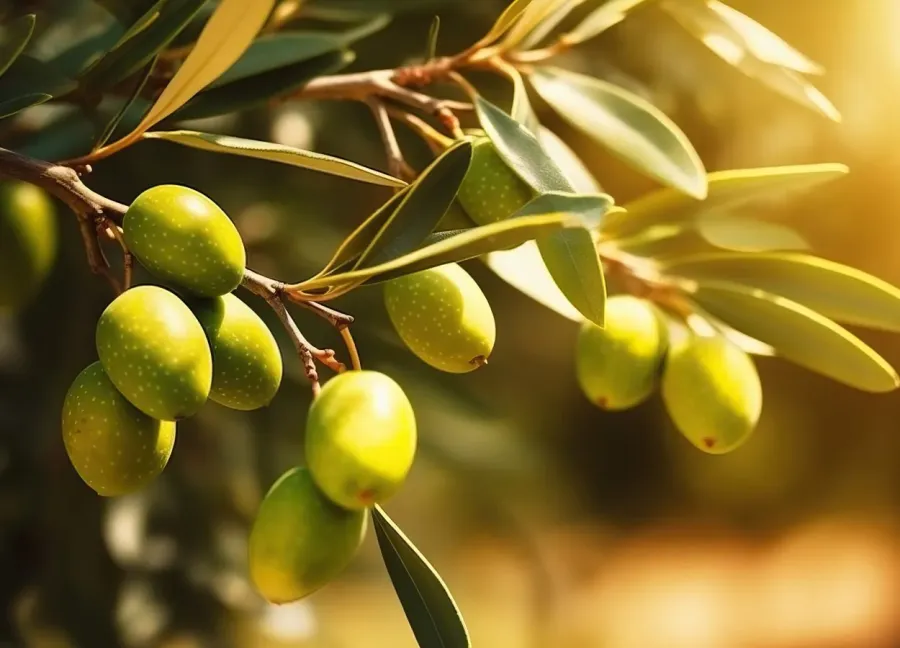
The Galega, the Cobrançosa and the Verdeal: The Portuguese Native Varieties Conquering the World
At a time when olive oil is establishing itself as one of the most studied and most highly valued foods of the Mediterranean diet, Portugal is emerging as one of the leading players in the global market.
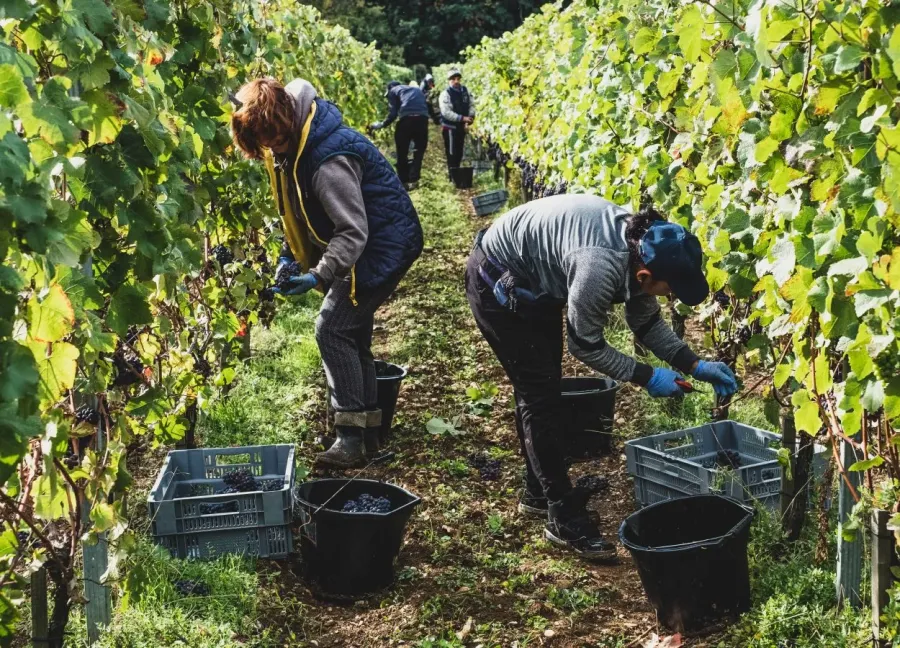
Climate change in Portuguese vineyards: what is changing and how to adapt?
In 2024, the International Organisation of Vine and Wine (OIV) recorded the lowest level of world production since 1961.

Frequently Asked Questions: Artificial Intelligence in Tourism Course
What is the aim of the AgroB Business School course on Artificial Intelligence in Tourism?