


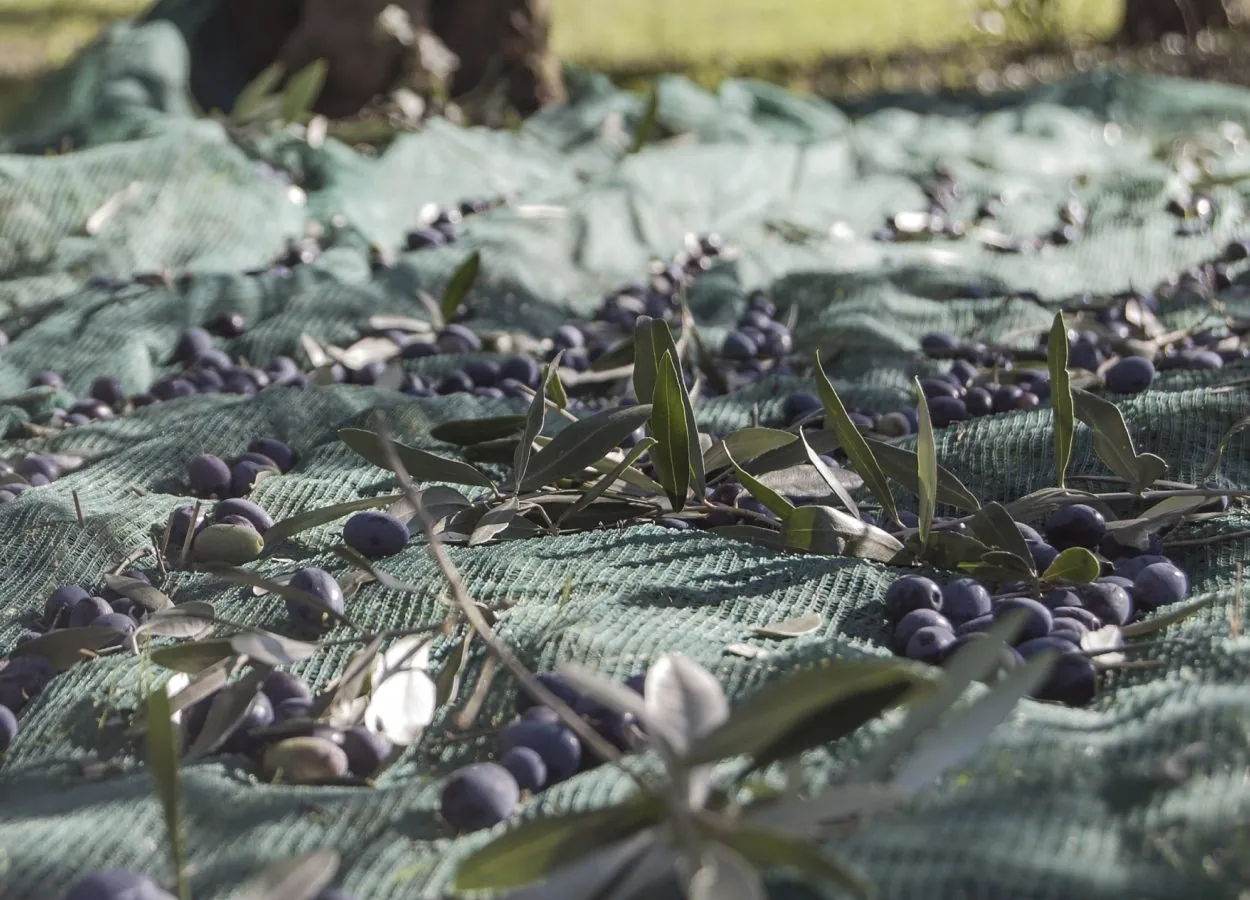
How to choose the right moment for the olive harvest
Deciding when to harvest olives is a technical choice with a direct impact on oil quality, on yield and even on the productive potential of the grove in the following season. There is no fixed date, there is a window in which the fruit reaches the desired physiological and biochemical characteristics. That window varies with the cultivar, the climate and the plant health status of the season, which is why monitoring in the field is indispensable. In Portugal, ripening generally begins between the end of summer and the start of autumn, and becomes visible through the gradual change in the colour of the skin, from intense green to yellowish green, then the first purple patches appear, through to the purple or black colouring in the varieties that darken completely. At the same time, the fruit completes its growth, changes texture, reorganises sugars and organic acids, and accumulates fat in the flesh.
A simple and robust way of putting numbers on this progression is the Maturity Index, also known as the Jaén Index. It starts from the visual classification of a representative sample of 100 fruits into eight classes, from 0 to 7, based on skin colour and on how deep the pigmentation runs into the flesh, from intense green through to flesh pigmented all the way to the stone. Standard practice recommends taking weekly samples, collected from the four aspects of the canopy, then homogenised and classified in order to calculate a weighted average for the batch. For oil, many growers work with reference values of roughly 2.5 to 3.5, on the understanding that this is a guide, not a rigid rule for every cultivar and every year. The usable fat content of the fruit tends to stabilise at around MI 3 to 4, and later increases in the percentage on a fresh-weight basis may mostly reflect water loss from the fruit.

In the case of olive oil, harvesting early within the ripening window usually brings sensory gains, with fresher, fruitier oils that are rich in phenolic compounds, though with a slightly lower yield. As the season progresses and the fruit ripens, lipid synthesis slows down and the apparent increase in yield on fresh matter often comes from dehydration of the fruit, which reduces its moisture content. Excessive delay penalises quality, encourages defects and reduces polyphenols, so the ideal compromise combines the brand's sensory target with the point at which the usable fat content has already stabilised.
When the destination is table olives, harvesting shifts to less mature stages, because the priorities are firmness of flesh, the flesh-to-stone ratio and an unblemished surface. For green processing, growers look for fruit in very early classes, essentially 0 and 1, with the stone coming away from the flesh without effort. For black olives processed by oxidation, fruit can be picked at yellowish green with some purple patching allowed, while naturally black olives require advanced ripening, with pigmentation of the flesh progressing towards the stone. Portugal has specific regional traditions and cultivars particularly suited to each type of processing, which reinforces the need to adjust the cut-off point to the final product.
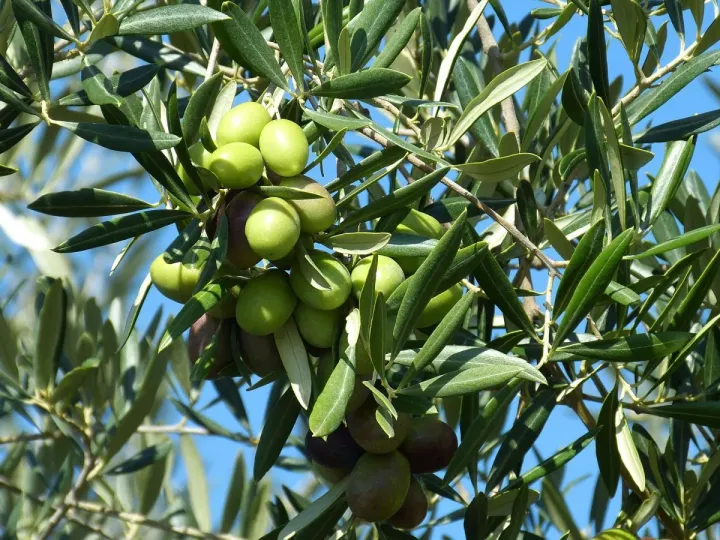
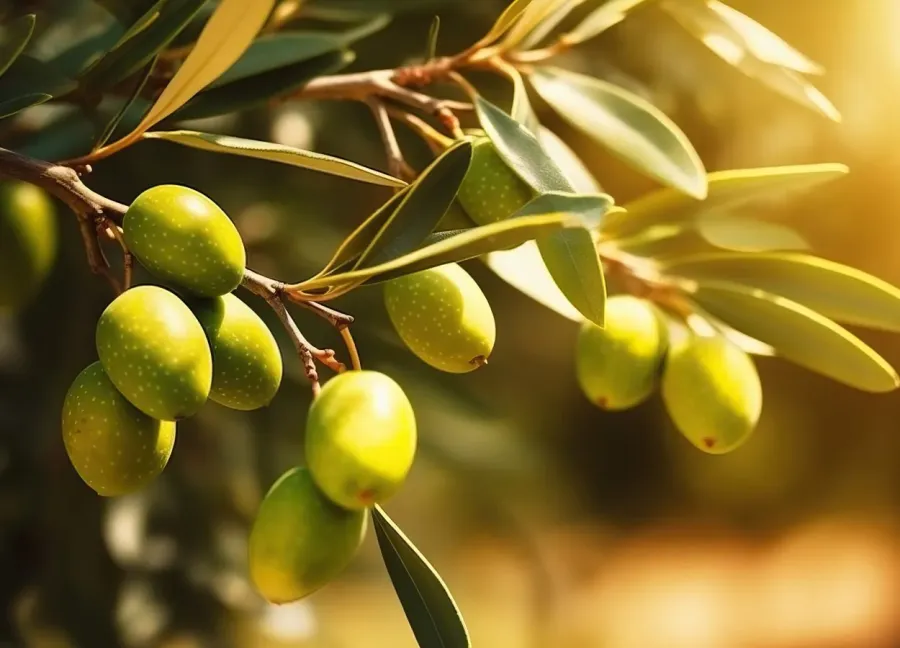
Fruit in the early classes
The decision on the date is not only about product quality. It has operational, economic and agronomic implications. In mechanised groves, the fruit's resistance to detachment falls as it ripens, which increases the efficiency of the shaker within a given window. How well the cultivar suits the system is decisive. Cobrançosa, very widely grown in the North and the Alentejo, is described as compatible with mechanical harvesting by shaking, which makes operations easier in intensive and narrow hedgerow systems when the system is correctly set up. Galega Vulgar, on the other hand, is described as poorly suited to shaking and highly susceptible to olive anthracnose, so delays can magnify losses. Some Verdeal types, such as Verdeal Alentejana, resist detachment and are poorly suited to trunk shaking, which narrows the useful window and makes it essential to plan manual support carefully. In orchards with more than one variety, staggering cultivars whose ripening times do not coincide helps to make better use of machinery and crews without moving away from the optimum for each one.
There are also effects on the following season. Olive trees show alternate bearing, and it is known that a heavy fruit load can inhibit floral induction and bud break, reducing the following year's flowering. Both classic and modern trials show that removing fruit before the winter induction period improves the return to flowering, while keeping the load on and harvesting very late makes the phenomenon worse. This knowledge supports strategies of harvesting earlier in heavy-crop years, which reduces the penalty in the following year.
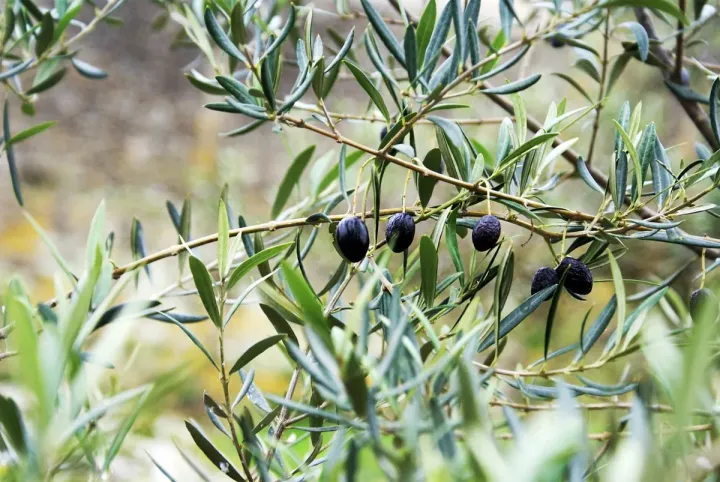
Fruit dehydrating
The plant health status of the season is another critical factor. In years with warm, wet autumns, the risk of olive anthracnose rises, a disease now attributed to species of the genus Colletotrichum, which severely degrade oil quality and can cause heavy losses. In such situations, bringing the harvest forward and increasing the daily pace are recommended cultural measures, always coordinated with the mill's capacity. The olive fruit fly, Bactrocera oleae, when present at high levels, causes quantitative losses through fruit drop and consumption of the flesh, and qualitative losses in the oil, so deciding to harvest earlier and process the affected batches immediately is a frequent response within integrated protection plans.
In terms of the decision-making method, growers should combine visual observation, the Maturity Index and a few simple field parameters. The weekly routine of collecting 100 representative fruits from the four aspects of the canopy, classifying them into classes 0 to 7 and calculating the index makes it possible to track the batch over the four to six weeks before the usual window and to identify the plateau at which usable yield stabilises. In many quality oil situations, the cut-off comes when most of the fruit is between classes 2 and 3 and the average MI is around 3, but this should be adjusted to the sensory objective and to the cultivar. A rule of thumb often used is to start harvesting when there are no completely green fruits left in the canopy in the varieties that darken, avoiding a situation where more than 10 to 15 per cent of the crop ends up on the ground, which as well as being a quantitative loss is associated with defects.
It is worth remembering that part of the yield the farmer observes over the course of the season comes from variations in the moisture content of the olives. Once oil synthesis has slowed, the loss of water from the fruit pushes up the percentage on a fresh-weight basis, which can be misleading if losses from fruit drop, pests or heavy rain outweigh that effect. This is one of the reasons why delaying the harvest in order to gain more yield rarely pays off in terms of overall oil quality and operational risk.
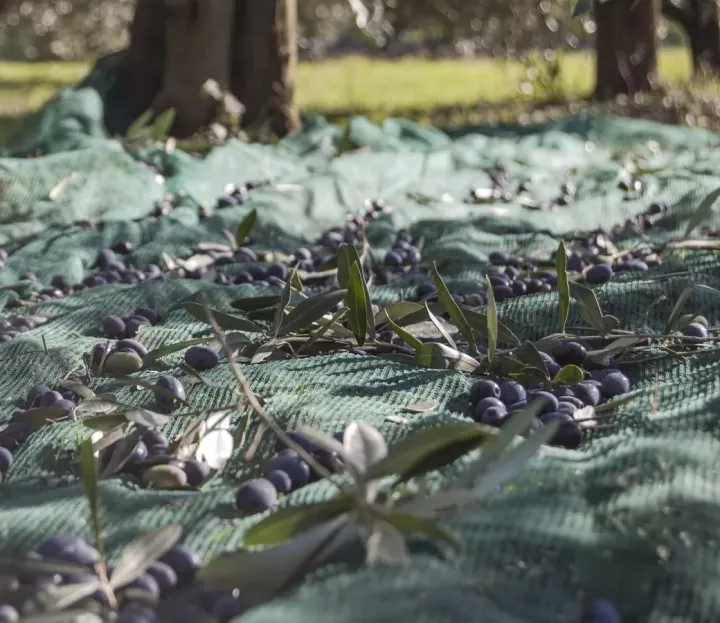
In practical terms, deciding well means connecting four planes. First, monitoring ripening methodically with properly taken samples, using the Jaén Index as a common language between the field and the mill. Second, defining the sensory and brand target and cross-referencing it with the fat curve and with the mechanisation schedule. Third, reading the plant health situation of the season, in particular fly and anthracnose, and accepting that in years of greater pressure the best quality comes earlier. Fourth, remembering that harvesting too late carries hidden costs in the return to flowering and in the risk of losses from weather and fruit drop. With this discipline, farmers and operators can align quality, yield and consistent production, adjusting the right moment of harvest to each grove, cultivar and year.
Keep exploring
The Galega, the Cobrançosa and the Verdeal: The Portuguese Native Varieties Conquering the World
At a time when olive oil is establishing itself as one of the most studied and most highly valued foods of the Mediterranean diet, Portugal is emerging as one of the leading players in the global market.
Climate change in Portuguese vineyards: what is changing and how to adapt?
In 2024, the International Organisation of Vine and Wine (OIV) recorded the lowest level of world production since 1961.

Frequently Asked Questions: Artificial Intelligence in Tourism Course
What is the aim of the AgroB Business School course on Artificial Intelligence in Tourism?