


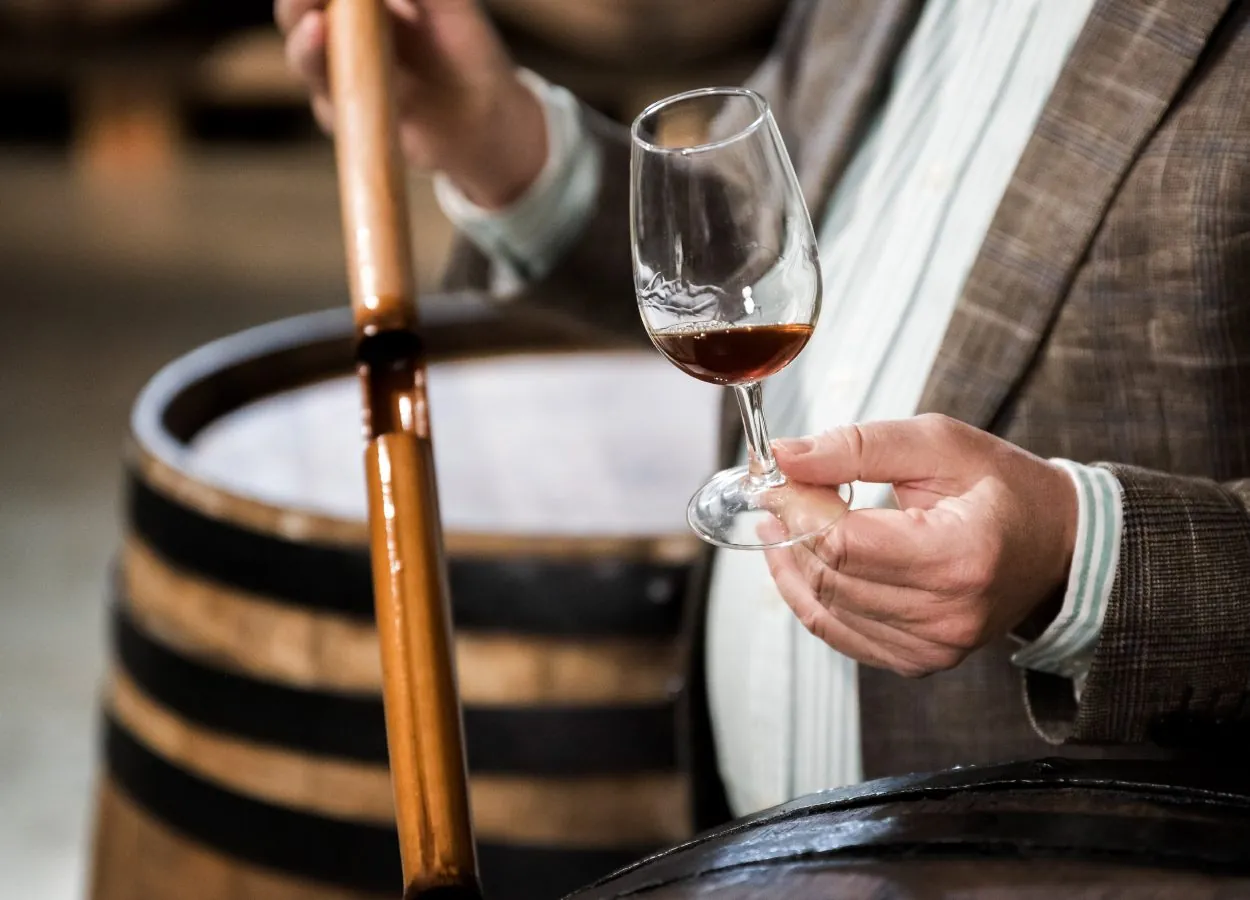
Port Wine's Challenge: Winning Over Generation Z
Portugal's Generation Z: who they are, what they value and how they consume
Generation Z, covering those born between the mid-1990s and the early 2010s, has a distinctive relationship with consumption and with brands. In Portugal, this generation attaches great importance to social causes, sustainability and wellbeing, and consumes more consciously, with an eye on the impact of the products it chooses.
When it comes to alcoholic drinks, several studies point to a more cautious stance. According to MindMiner, only 45% of Generation Z drinks alcohol, the lowest figure recorded since 1962 (Exame, 2024). Another study by the same consultancy shows that around half of these young people do drink, but moderately and occasionally (Mindminers, 2024). Even so, the pattern of heavy drinking in party settings persists: more than half of young Portuguese admit to binge drinking in the past year and 36% report episodes of severe intoxication (Sol, 2024). At the same time, recent data show that the age of first drinking has been falling, with episodes of intoxication occurring ever earlier (RDS, 2024).
This apparently contradictory behaviour shows that while daily alcohol consumption is falling, excessive consumption on specific occasions is still very much present. For brands, that means any strategy aimed at Generation Z has to factor in the need to promote responsibility, moderation and valuable experiences, rather than simply encouraging consumption.
The relationship with digital content
Reaching this generation means understanding its digital habits. On average, young Portuguese spend around 145 minutes a day on social media (Marktest, 2024). Instagram has become the most used platform, overtaking Facebook, while TikTok has a penetration of 26% and continues to grow (Obercom, 2023).
The preferred content is largely visual and dynamic: short videos, stories, reels and live streams. Authenticity is a core value. Content that sounds too advertorial or institutional tends to push people away rather than draw them in. Influencers and micro-influencers play a crucial role as trusted intermediaries between brands and consumers.
A study by Dove also found that 86% of young Portuguese feel “addicted” to social media (Correio da Manhã, 2024), which illustrates the intensity of the relationship with the digital world and the importance of these platforms as channels of influence.
The spirits market in Portugal
Portugal's spirits sector is growing and renewing itself. Between June 2023 and June 2024, the domestic market was valued at 326 million euros (Revista de Vinhos, 2024). Leadership is contested by giants such as Pernod Ricard, Diageo and Bacardi Martini, which together hold almost half the market share.
The most recent trends point to premiumisation, innovation in design and packaging, and demand for products with lower alcohol content or distinguishing characteristics, such as botanical infusions and natural blends (Jabeira, 2024). The RTD (ready-to-drink) category, which includes ready-mixed cocktails, has grown strongly, especially among younger consumers, who value convenience without giving up the experience (Verallia, 2024).

Sustainability is also to the fore, with recyclable or low-impact packaging increasingly valued (Empack Porto, 2024). At the same time, the sector faces challenges such as competition from alcohol-free or low-alcohol drinks, and the tax pressure associated with the IABA duty, whose freeze companies regard as strategic (Revista de Vinhos, 2024).
This picture of Portugal's Generation Z, their consumption habits and the dynamism of the spirits market helps to make better sense of the challenges and opportunities facing Port wine. In the next part of the article we can explore why this historic product needs to renew its image and how it can speak to a generation looking for authenticity, responsibility and distinctive experiences.
How traditional drinks won over Generation Z
The alcoholic drinks sector has undergone a profound transformation in recent years. The arrival of Generation Z, with its distinct consumption habits and its own values, has forced many brands to rethink how they communicate and even how they develop their products. A preference for authentic experiences, attention to environmental impact and the importance placed on the digital world have created new challenges for traditional drinks such as whisky, gin, vodka and rum. What might have looked like an obstacle has turned into an opportunity to reinvent narratives and win relevance with an audience that will soon be central to the market.

History of the Dewar's brand Source: Dewar's
In the case of whisky, the change began with how it was communicated. For decades the marketing of this drink was marked by formal, elitist campaigns aimed above all at mature consumers. That image began to be revised as brands moved into the digital world in force. Behind-the-scenes content, virtual distillery tours, live sessions with master distillers and videos showing where the ingredients come from took centre stage. Market analyses suggest that this openness and transparency have been decisive in capturing the attention of Generation Z, who value knowing who is behind the brand and what the product's story is. Whisky is no longer just a complex drink; it has also become an object of authentic storytelling.

Glenfiddich virtual tour
Another decisive factor was innovation in formats. Many brands launched smaller bottles, tasting kits and even canned editions, making first contact more accessible. Limited editions and collaborations with visual artists and fashion designers reinforced the aspirational character without alienating younger consumers. This strategy lowered the barrier to entry while creating desire through exclusivity.
Gin is perhaps the clearest example of reinvention. Little more than a decade ago it was an almost forgotten drink with residual consumption. Today it is a regular presence in bars and at parties, largely thanks to the way it was repositioned. A focus on distinctive botanicals, creative packaging and colourful cocktails turned gin into a versatile and visually appealing drink. The gin and tonic boom showed how the combination of tradition and modernity can win over younger drinkers, especially when paired with a strong aesthetic that is easy to share on social media.

Beefeater stand at a summer festival Source: Envento Plus
Vodka followed a similar path, but with a greater focus on convenience and cultural connection. Flavoured versions, special editions with tropical flavours and inclusion in ready-to-drink cocktails opened new doors. International brands linked up with music festivals, sponsored sporting events and created digital content aligned with youth culture. The result was the transformation of vodka from a simple bar drink into a versatile product suited to many social settings.

Flavoured vodka Source: Absolut Vodka
Rum, for its part, has benefited from the growing popularity of modern cocktail making. Mojitos, daiquiris and other combinations have become refreshing alternatives in bars frequented by younger crowds. Many brands have invested in campaigns linking rum to music, dance and tropical culture, creating a relaxed atmosphere that resonates with Generation Z. The authenticity of its Caribbean origin and its association with celebration and socialising have reinforced its appeal.

Bacardí cocktail examples Source: Bacardí
There is a common thread running through all these cases. Brands stopped communicating tradition and exclusivity alone and began to prize authenticity, innovation and cultural proximity. They invested in convenient formats, sustainable packaging and digital narratives, often told by micro-influencers who build a direct connection with consumers. More than selling drinks, they began selling experiences and lifestyles.
The example of these drinks shows that it is possible to reinvent products with decades or centuries of history without losing identity. The secret lies in understanding Generation Z's values, translating tradition into relevant stories and offering experiences that fit into the daily lives of young consumers. For categories such as Port wine, which face the same challenge, these lessons show that modernity does not have to erase the past. On the contrary, it can make it all the more valuable.
Port wine and the need for a new image
Port wine is one of the most striking symbols of Portuguese culture and economy, with a historical legacy spanning centuries that has made it known the world over. In 2022 the Port and Douro wine sector reached record turnover of 625 million euros, of which 383 million came directly from Port wine sales (ECO, 2023). That heritage is a source of pride and guarantees prestige, but it has also set an overly rigid image in stone. For decades Port has been associated with solemn moments, family celebrations and an older, largely foreign audience. This perception has made it harder to reach new generations, in particular Generation Z, who are looking for more relaxed experiences and drinks that fit into their everyday lives.
One reason for that distance lies in how Port is still presented. Serving it in small glasses, the formal settings in which it is poured and the technical language that often surrounds its communication have created the idea that it is a heavy, sweet drink poorly suited to leisure. Despite the great diversity of styles available, from whites to rosés by way of tawnies and vintages, the dominant perception remains confined to a classic profile that does not reflect the product's full versatility.
Another factor behind this image is its absence from the settings where young people most often drink. While other alcoholic drinks and spirits have reinvented themselves through ready-to-drink versions, canned cocktails or lower-alcohol formats, Port remains almost always tied to the traditional bottle and to consumption at home or in restaurants. In 2023 an estimated 7.2 million cases of Port wine were sold, totalling 364 million euros, but with consumption concentrated in more mature, traditional markets (IVDP, 2024). Its absence from bars, parties, festivals and informal gatherings reinforces the idea that it is a product remote from the daily reality of the new generation.
Communication also plays a decisive part in this distancing. Many campaigns are still aimed at foreign tourists or traditional consumers, and remain poorly adapted to the visual and digital languages that dominate platforms such as Instagram and TikTok. By speaking above all of tradition and prestige, Port wine risks being seen only as heritage to visit rather than a drink to build into everyday life. Meanwhile, global wine consumption is undergoing a generational shift: in Portugal, although the country still has the highest wine consumption per head in the world (51.9 litres per inhabitant per year) (OIV, 2023), younger drinkers tend to prefer light, creative, low-alcohol drinks, a space where Port is not yet strongly positioned.
Despite these challenges, the need for a new image does not mean a break with the past. On the contrary, the future of Port depends on its ability to bring tradition and modernity together. The authenticity of the Douro's terraced vineyards, the knowledge built up over generations and the economic and social impact of the region are unique assets that should continue to be valued. The Douro region alone accounts for around 30% of national wine production, with a decisive role in keeping people on the land and sustaining local communities (ViniPortugal, 2024). What is at stake is how that heritage is told and how it can be translated into a narrative that speaks directly to new generations.
Port wine has to show itself as a versatile product, one that can be enjoyed in different settings and lifestyles. Modernising its image is not merely necessary but strategic, both to secure the continuity of its legacy and to win relevance with a generation that values authenticity, sustainability and distinctive experiences.
At a time when the Portuguese wine sector faces a fall of around 8% in overall production (2024/25), renewing Port is also an opportunity to strengthen competitiveness and assert one of the country's most emblematic products in a changing global market.
How to win over Generation Z
Generation Z values authenticity, innovation and experiences that can be shared above all else. For Port wine, winning over this audience calls for a practical, creative approach that goes well beyond institutional communication. One of the most promising routes is to become part of everyday social settings. Port should be thought of as a drink present in bars, on terraces and at cultural events, through proposals that make it easy to enjoy in a relaxed atmosphere. Simple cocktails made with Port can be promoted as refreshing, accessible alternatives, reinforcing the idea that this is a drink suited to socialising.
Another essential point is the creation of products specifically for this audience. Smaller bottles, canned versions or ready-to-drink formats can bring Port closer to the fastest growing trends in the sector. Simplicity and convenience are decisive in capturing young consumers who look for immediate, practical solutions. These options do not replace the traditional product, but work as a gateway for new audiences who may later move on to more complex styles.
The connection to the Douro can be worked in innovative ways through wine tourism and immersive experiences. Concerts, festivals, themed tastings and cultural events at the quintas are all opportunities to present Port in a young, dynamic setting. The experience lived on site, combined with shareable digital content, creates an emotional bond that advertising campaigns alone can rarely build.
Digital communication has to be central. More than mere presence, what matters is producing creative, visual and consistent content. Working with micro-influencers is particularly effective because it conveys proximity and credibility. Partnerships with artists, chefs and content creators can multiply Port's visibility across different worlds, from food to music and contemporary art. The aim is to show that Port wine can be drunk in various ways and in different settings, always in a contemporary voice.
Another decisive factor is sustainability. Generation Z is extremely sensitive to the environmental and social impact of brands. Investment in responsible viticulture, recyclable bottles and projects that support Douro communities should be communicated clearly. By presenting itself as a product that respects the environment and contributes to the local economy, Port strengthens its connection with this generation's values.
Finally, education for responsible consumption is a dimension that cannot be ignored. Including messages about moderation in campaigns, promoting the appreciation of Port in appropriate measures and valuing the experience over the quantity are all ways of building a healthy relationship with young consumers. By positioning itself as a drink that respects those who drink it, Port wine sets itself apart from other categories that still communicate less responsibly.
Port wine today faces the challenge of speaking to a generation that consumes differently, that values authenticity and experience, and that moves in a digital world defined by speed and image. The opportunity lies in turning tradition into a contemporary narrative, repositioning Port not as a remote and solemn product but as a versatile, fresh, sustainable drink bound up with moments of good company.
By investing in innovation, digital communication, sustainable design and authentic experiences, Port wine can win over Generation Z, securing not only the continuity of its legacy but also its relevance in a changing market.
First signs of change
Although consumption of Port wine among younger generations is still low, initiatives are beginning to appear that point to an attempt at renewal. Some historic houses, such as Taylor's, Sandeman and Cockburn's, have been investing in new communication strategies and in products better suited to a contemporary idiom.
Taylor's, for example, has been publishing recipes for Port-based cocktails such as the Porto Tónico, the Port Old Fashioned and the Douro Cobbler, seeking to show that the wine can be versatile and modern. Sandeman has gone for a bolder visual aesthetic, linking the brand to urban and cultural settings. Cockburn's, meanwhile, recently launched ranges with colourful, irreverent labels, designed to stand out on the shelf and speak directly to younger audiences.

Port wine cocktails | Source: Taylor
Experimental rather than structural though these moves are, they represent an important step: they signal a shift in mindset within a sector that for a long time stayed faithful to an untouchable narrative. The challenge is still to turn these isolated initiatives into a consistent movement, capable of changing perceptions and creating new drinking habits.
The role of the brands and the importance of consistency
Port wine brands are going through a delicate moment of transition. On one hand, there is an awareness that the discourse needs updating and the range diversifying. On the other, there is a fear of stripping away the character of a product whose strength lies precisely in tradition. This duality has led many companies to experiment tentatively, with one-off actions that rarely add up to a long-term strategy.
Creating cocktails, modernising labels and using social media more actively are positive signs, but not yet enough to bring about a real change in public perception. Consistency is the missing element. Only sustained, coherent, joined-up communication can turn curiosity into habit.

Cockburn's new labels aimed at Gen Z | Source: Cockburns
The future of Port depends in large part on the ability of the brands to adopt a shared discourse about what drinking Port means in the 21st century. Competition should give way to collaboration around the common purpose of repositioning the product. Success will not come from a single house, but from a collective movement that rebuilds the image of Port wine as a symbol of contemporary life and national pride.
The opportunity of a new cycle
The present moment is, paradoxically, one of the most challenging and most promising in the recent history of Port wine. Rethinking its place in the market has never been more urgent, but nor have there ever been so many tools and channels with which to do it. Digitalisation, experience tourism, the growth of premium drinks and global interest in authenticity all create a favourable backdrop for renewal.
If the Douro and Port can bring together tradition, sustainability and innovation, they could give rise to a new cycle of prosperity. That calls for an integrated vision involving producers, wine tourism, restaurants and culture. Port has everything it needs to be not just a prestige drink but a contemporary symbol of Portuguese identity.
The reinvention of Port will not happen overnight. It will be the result of small transformations, consistent and coherent, that over time will redefine its relationship with the public. Tradition will remain its foundation, but the future will depend on the courage to reinvent itself.
Keep exploring

The Galega, the Cobrançosa and the Verdeal: The Portuguese Native Varieties Conquering the World
At a time when olive oil is establishing itself as one of the most studied and most highly valued foods of the Mediterranean diet, Portugal is emerging as one of the leading players in the global market.
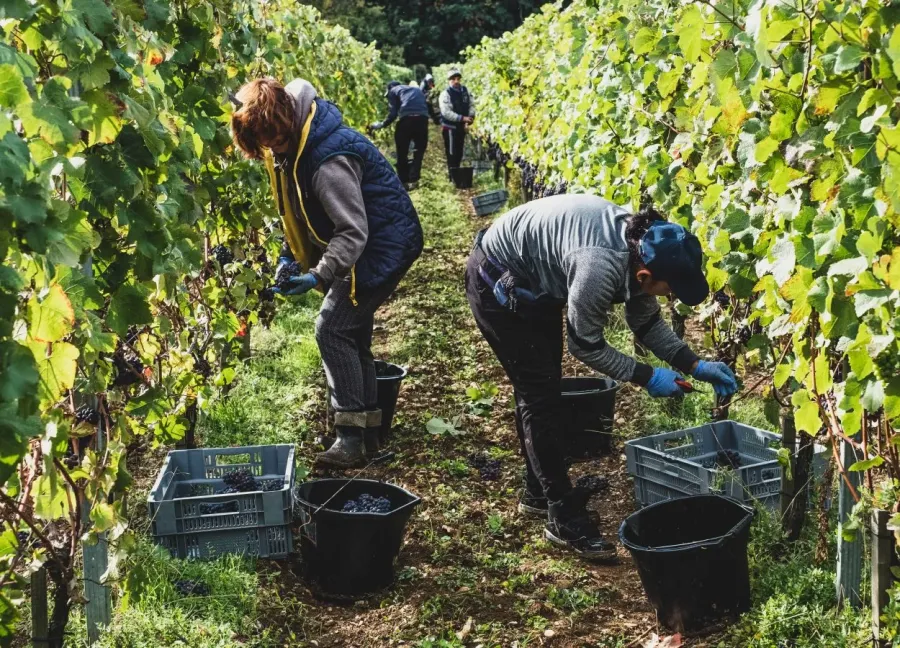
Climate change in Portuguese vineyards: what is changing and how to adapt?
In 2024, the International Organisation of Vine and Wine (OIV) recorded the lowest level of world production since 1961.

Frequently Asked Questions: Artificial Intelligence in Tourism Course
What is the aim of the AgroB Business School course on Artificial Intelligence in Tourism?