


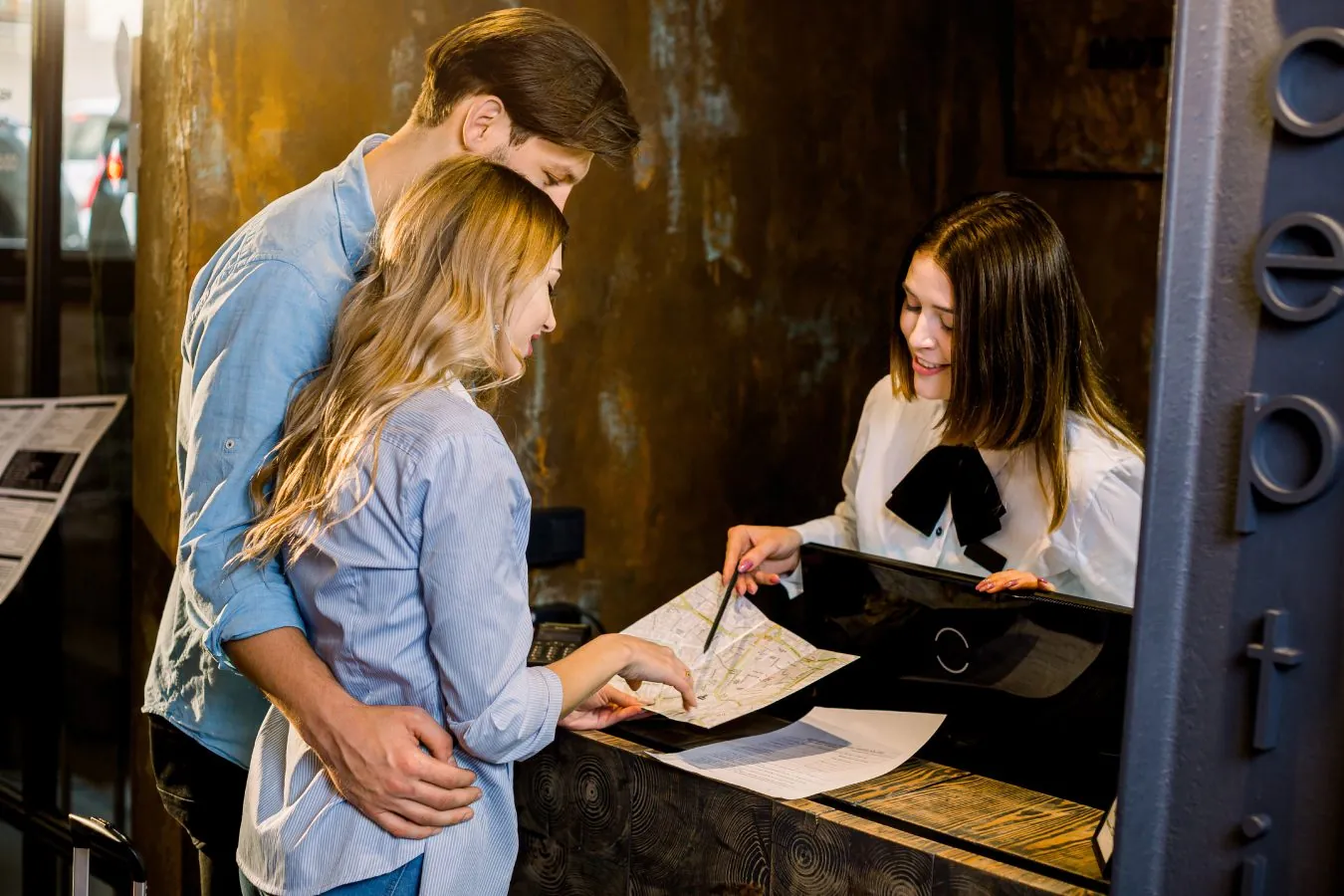
How to handle seasonality in the hotel sector through human resources management
Seasonality is one of the greatest operational challenges in the hotel sector. With sharp swings in demand between high and low seasons, it becomes difficult to maintain a stable and efficient human resources structure. In the busiest periods, hotels face labour shortages, overstretched teams and urgent recruitment. In quieter phases, by contrast, staff numbers are often cut drastically, which weakens operational continuity and undermines team morale.
To tackle this phenomenon strategically, human resources management must abandon a purely reactive logic and adopt a planned, integrated and adaptable approach.
One solution lies in adopting flexible contractual models, such as seasonal contracts with guaranteed renewal clauses or the use of annualised hours schemes. These tools make it possible to adjust working hours and headcount to real demand without resorting to systematic dismissals. At the same time they build trust and predictability for workers, who come to see their job as more stable even in a volatile sector.
Another fundamental pillar is multiskilled teams. Continuous training and multifunctional capability building allow each team member to perform different roles over the course of the year. For example, someone who works on reception during the summer can support the sales department or maintenance in periods of lower occupancy. This versatility not only reduces the need for new hires but also fosters a more dynamic working environment, making the most of existing human capital.
Retaining talent also depends on more than salary alone. Non-monetary benefits such as accommodation, transport, meals, access to training, or even the possibility of internal promotion, are crucial differentiators. These elements help create an emotional bond between employee and company, even when the contract is temporary. Offering prospects for growth, regular recognition and involvement in operational decisions significantly increases motivation and reduces turnover.
A medium and long term strategy involves close links with education institutions, such as hospitality schools, universities and vocational training centres. Internship programmes, as well as making recruitment cheaper, help bring in young profiles who can be shaped to the company's culture. These recruitment channels should be cultivated with the same commitment as commercial partnerships, guaranteeing a continuous source of talent.
Technology, in turn, plays a growing role. Human resources management systems integrated with booking platforms and demand forecasts are now essential to plan ahead and distribute work effectively over the year. By analysing historical data and consumption patterns, it is possible to anticipate recruitment needs, optimise rotas and avoid both overload and idle time.
Finally, it is essential that the human resources strategy is aligned with the commercial strategy. Diversifying target audiences and services – such as focusing on senior tourism, wellness, corporate events or gastronomic experiences outside the high season – contributes to more even occupancy. That makes it possible to maintain a minimum sustainable level of operation and, as a result, a more stable staffing structure. In hotel chains, internal mobility between units in regions with different seasonal patterns can be a smart way to keep staff active and engaged throughout the year.
Fundamentally, handling seasonality through human resources means seeing workers as a continuous asset, not as a disposable variable.
It requires planning, creativity, investment in training and, above all, an organisational culture that values stability, even in a sector that is by nature unstable.
With these premises, it is possible to turn a chronic challenge into a strategic opportunity to gain competitive advantage and build more resilient teams.
Keep exploring
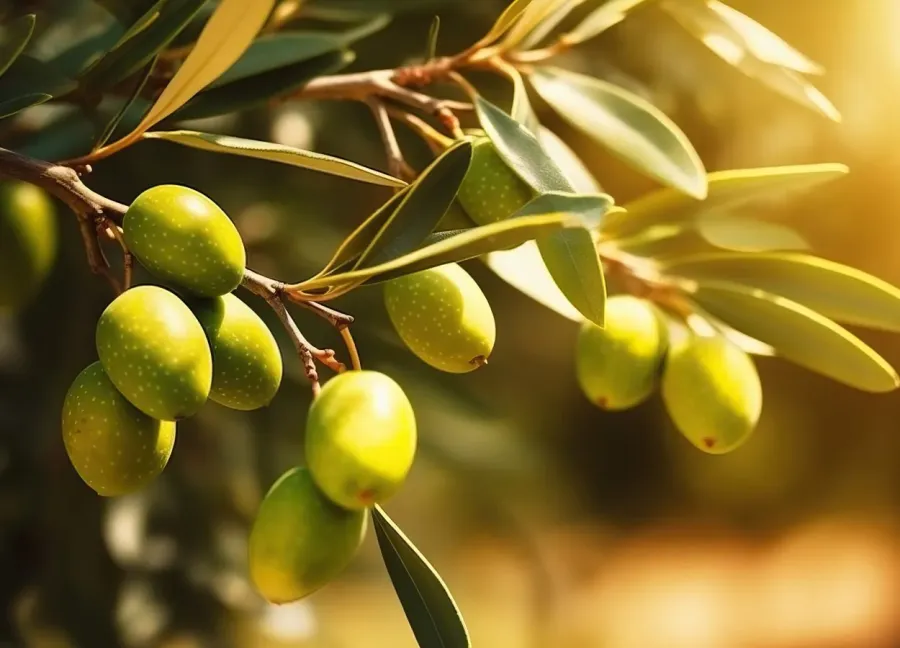
The Galega, the Cobrançosa and the Verdeal: The Portuguese Native Varieties Conquering the World
At a time when olive oil is establishing itself as one of the most studied and most highly valued foods of the Mediterranean diet, Portugal is emerging as one of the leading players in the global market.
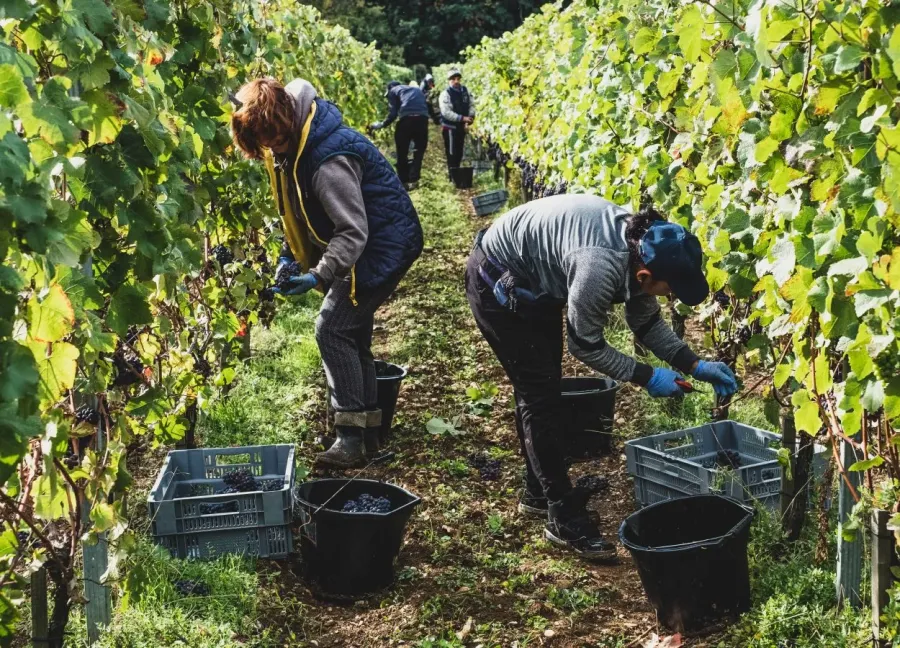
Climate change in Portuguese vineyards: what is changing and how to adapt?
In 2024, the International Organisation of Vine and Wine (OIV) recorded the lowest level of world production since 1961.

Frequently Asked Questions: Artificial Intelligence in Tourism Course
What is the aim of the AgroB Business School course on Artificial Intelligence in Tourism?