


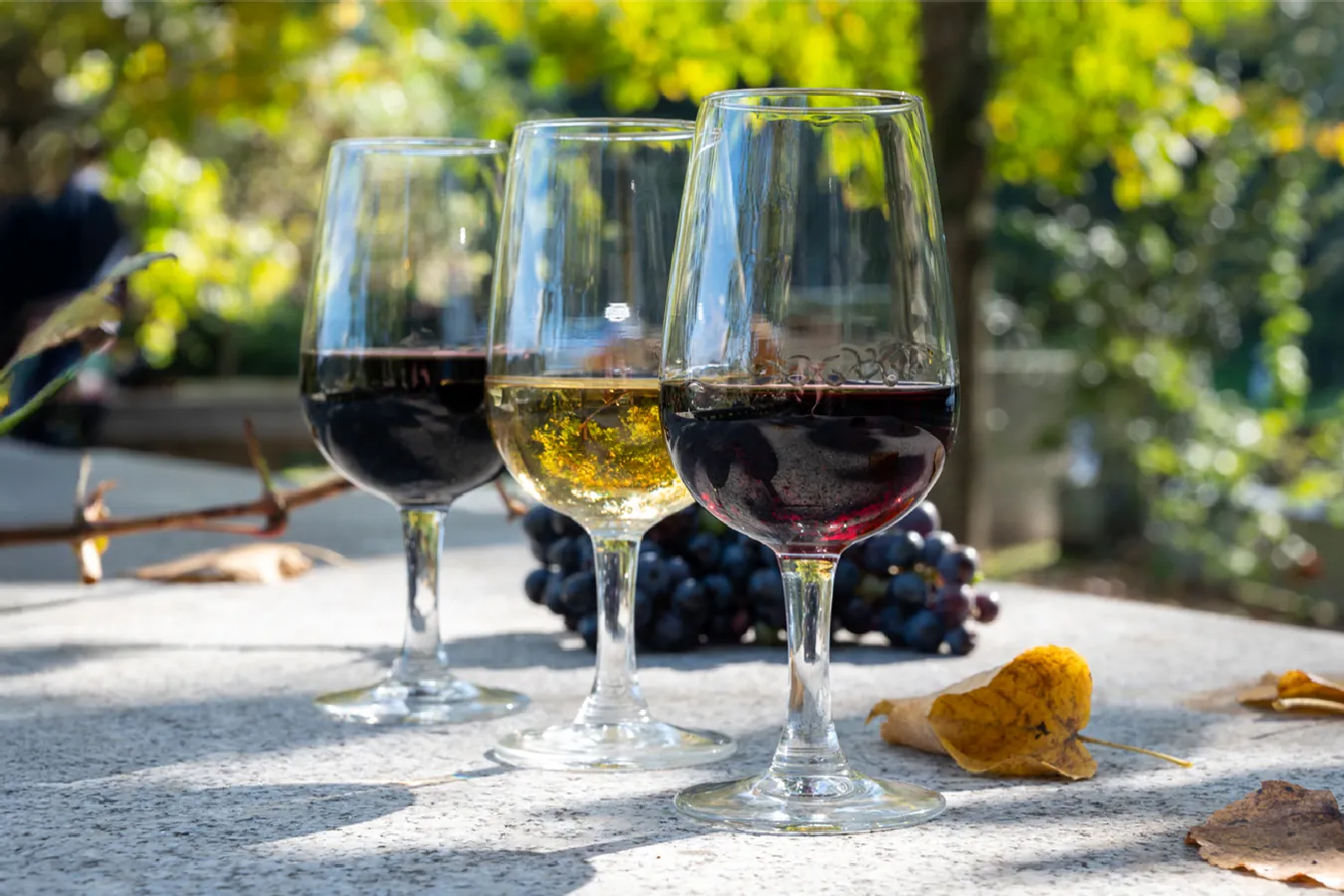
Grape varieties grown in Portugal
Portugal continues to assert itself as one of the most diverse and respected wine-producing countries in the world. That richness begins in the vineyard, with grape varieties that bring authenticity and a distinctive flavour to its wines.
Over the centuries, the country has developed a special relationship with vine growing, making the most of the potential of its indigenous varieties to create wines of striking personality, both red and white. With such a wide range to draw on, each Portuguese wine region has become known for particular varieties that express local character and terroir in a unique way.
So which grape varieties stand out most on the Portuguese wine scene?
To answer that question, we have put together a list of 12 of Portugal's most emblematic varieties. These grapes are widely appreciated in the domestic and international markets alike, and form the basis of many of the country's most awarded wines. Here is how each of them contributes to the prestige of Portuguese wine.

12 grape varieties grown in Portugal Image sources: (1) Wikipedia; (2 to 12) IVV
Red varieties:
Touriga Nacional Considered Portugal's most emblematic variety, it is widely grown in the Douro and the Dão. It produces intense, structured wines with great ageing potential and rich aromas of dark fruit, flowers and spice.
Tinta Roriz (or Aragonês) Known as Tempranillo in Spain, this is a versatile and adaptable variety found in several regions, including the Douro and the Alentejo. It gives full-bodied wines with notes of red fruit, spice and an earthy touch.
Castelão Very common in the Setúbal region and in southern Portugal, this is a rustic, hardy variety. Wines made from Castelão are structured, with aromas of dried fruit, red fruit and spice.
Baga Predominant in the Bairrada region, Baga produces intense wines with good acidity and ageing potential. It brings notes of wild berries, spice and firm tannins.
Trincadeira Common in the Alentejo, this variety is known for its freshness and elegance. Trincadeira wines show aromas of red fruit, herbs and some spice. It is sensitive to climate but highly prized in ideal conditions.
Rufete Predominant in the Beira Interior, Douro and Dão regions, Rufete is a red variety that produces light, aromatic wines with notes of red fruit and a floral touch. Its structure is more delicate, making it ideal for elegant wines with lower alcohol.
White varieties:
Alvarinho Native to northern Portugal, especially the Vinhos Verdes region, this variety is known for fresh, aromatic wines with citrus notes that often show a mineral edge.
Arinto Found in several regions, including Lisboa and Bucelas, this variety is valued for its lively acidity and freshness. Arinto wines have citrus notes, a touch of green apple and great ageing potential.
Fernão Pires (or Maria Gomes) Very common in the Tejo and Bairrada regions, this variety is known for its aromatic intensity, with notes of tropical fruit, flowers and a hint of honey. It is versatile and used in fresh, aromatic wines.
Encruzado A variety native to the Dão, known for producing complex, elegant white wines with excellent ageing capacity. It shows aromas of white flowers and citrus fruit and, over time, notes of dried fruit and nuts.
Antão Vaz Predominant in the Alentejo, this variety is heat-resistant and gives full-bodied wines with aromas of tropical fruit such as pineapple and mango. It is used for fresh wines as well as for more structured ones.
Rabigato Grown mainly in the Douro, Rabigato produces fresh wines with good acidity and a citrus profile. It is often used to balance the region's white wines, adding freshness and minerality.
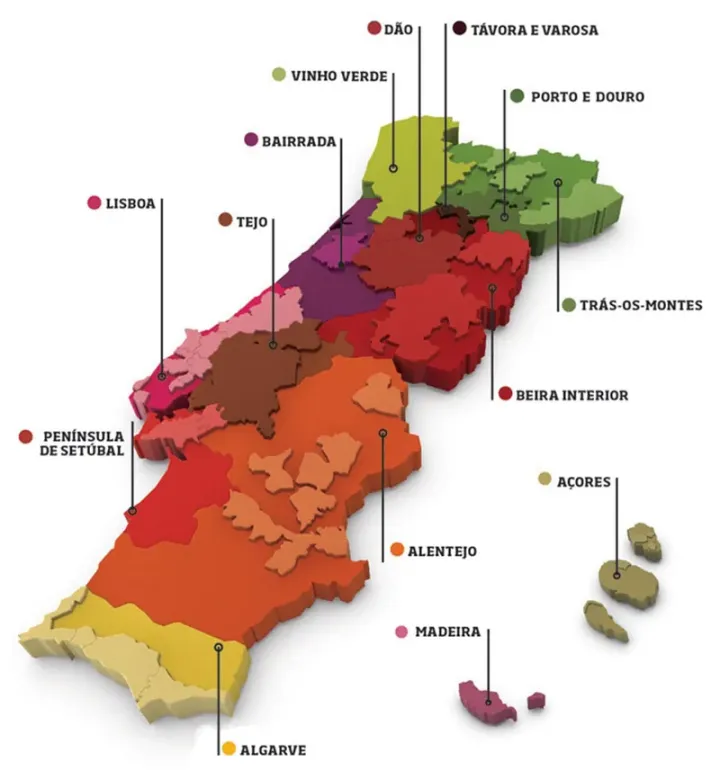
Wine regions of Portugal Image source: www.academiadovinho.com.br
The 12 varieties listed here are only a small sample of the country's native grapes, but they stand out for the quality of the wines they produce and for how well they suit the Portuguese terroir. Whether in a full-bodied, powerful red from the Douro, a fresh and vibrant white from the Vinhos Verdes region or an elegant rosé from the Alentejo, each variety contributes to the singularity of Portuguese wine.
For wine lovers, exploring these varieties is a chance to get to know the essence of Portuguese oenology in depth. Tasting wines made from them is a genuine journey through the diversity and excellence of Portuguese viticulture.
Source: IVV – Instituto da Vinha e do Vinho (www.www.ivv.gov.pt)
Keep exploring
The Galega, the Cobrançosa and the Verdeal: The Portuguese Native Varieties Conquering the World
At a time when olive oil is establishing itself as one of the most studied and most highly valued foods of the Mediterranean diet, Portugal is emerging as one of the leading players in the global market.
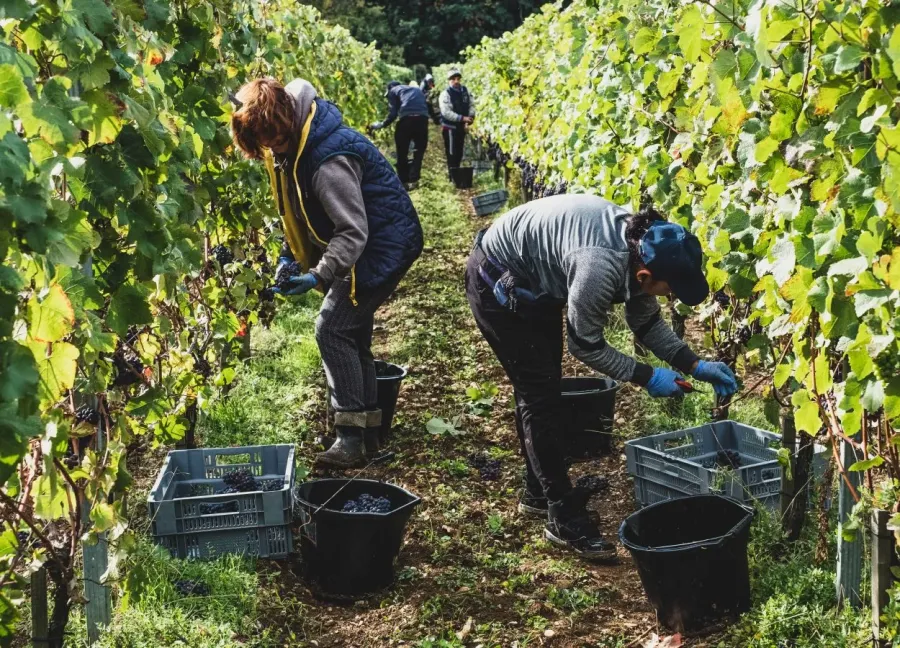
Climate change in Portuguese vineyards: what is changing and how to adapt?
In 2024, the International Organisation of Vine and Wine (OIV) recorded the lowest level of world production since 1961.

Frequently Asked Questions: Artificial Intelligence in Tourism Course
What is the aim of the AgroB Business School course on Artificial Intelligence in Tourism?