



The Fourth Industrial Revolution
The history of humanity is marked by advances that have radically transformed the way we live, work and relate to one another. From the invention of the steam engine to the age of artificial intelligence, each revolution has brought with it a technological leap that redefined society.
Now we are living through a new chapter: the Fourth Industrial Revolution.
The economist Klaus Schwab described this moment with great precision in his book The Fourth Industrial Revolution:
“We stand on the brink of a technological revolution that will fundamentally alter the way we live, work, and relate to one another. In its scale, scope, and complexity, the transformation will be unlike anything humankind has experienced before”.
But how did we get here?
To understand the scale of this change, it is essential to look to the past and understand the different phases of industrial progress.
The Industrial Revolutions
The 1st Industrial Revolution (1760 – 19th century):
Who does not remember hearing about James Watt's steam engine? In 1769, this invention became the great protagonist of the First Industrial Revolution, making it possible to mechanise production and open a new era. It was the transition from an agricultural economy to an industrial one, marked by the development of factories, the growth of cities and the expansion of rail transport.
Changes in agriculture and agri-food:
- The introduction of machines such as Jethro Tull's seed drill (1701) and the threshing machine (like Cyrus McCormick's of 1831) revolutionised planting and harvesting methods and increased productivity.
- More efficient crop rotation and the use of fertilisers became more common, contributing to the growth in agricultural output.
- The creation of factories made it easier to turn agricultural raw materials into manufactured products.

Figure: James Watt's steam engine (Source: nationalgeographic.pt)
The 2nd Industrial Revolution (1870 – early 20th century):
If the First Industrial Revolution mechanised production, the Second accelerated it exponentially. With electricity replacing coal as the main energy source, assembly lines and large scale production emerged. Innovation made it possible to manufacture goods at an unprecedented rate, making them more affordable and transforming industry for ever.
Changes in agriculture and agri-food:
- The development of steam tractors and, later, petrol and diesel tractors replaced draught animals and manual ploughs, increasing production efficiency.
- The use of chemicals in agriculture became more common, allowing greater productivity but also raising concerns about environmental impacts.
- Food processing, such as canning and pasteurisation, gained ground, enabling large scale distribution.
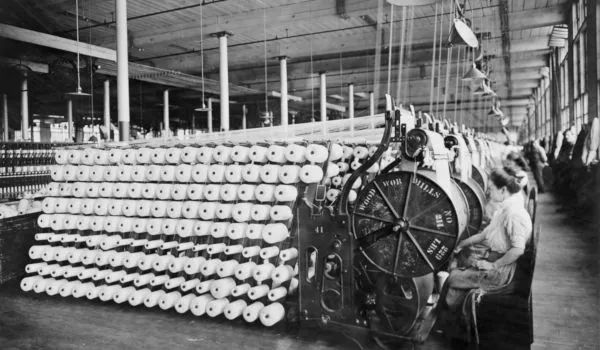
Figure: Large scale production (Source: brasilescola.uol.com.br)
The 3rd Industrial Revolution (1969 – late 20th century):
The arrival of computing and electronics marked the beginning of industrial automation. The ability to program machines revolutionised production processes, making them more efficient and less dependent on human intervention. The emergence of the first computers, of robotics and of the internet opened the way to an increasingly digital and connected world.
Changes in agriculture and agri-food:
- The use of computers, GPS and sensors helped optimise the use of resources (such as water and fertilisers), increase productivity and reduce environmental impact.
- The development of genetically modified seeds to resist pests and adverse weather conditions and to improve productivity was an important milestone.
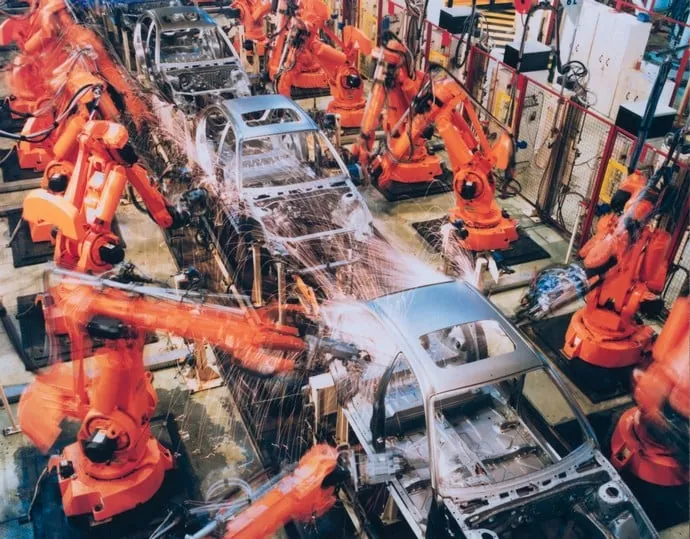
Figure: Task automation (Source: escolaeducacao.com.br)
The 4th Industrial Revolution (2011 – present):
The revolution we are living through today is not just about isolated technological advances, but about a fusion of different fields – artificial intelligence, the internet of things, quantum computing, biotechnology and much more. Smart factories and online production management are only the beginning of a new way of working, in which automation and connectivity are transforming every sector of the economy.
Changes in agriculture and agri-food:
- The use of artificial intelligence, drones and sensors to monitor plant health and irrigation, and even to automate cultivation, is transforming agriculture.
- Blockchain is used to trace the origin of food and guarantee transparency and sustainability in the agricultural supply chain.

Figure: Smart Factory (Source: trendmicro.com)
What makes this Revolution different?
Experts agree that the Fourth Industrial Revolution differs from its predecessors in three essential respects:
- Speed – Never before has technology evolved so quickly. Innovations that once took decades to become established now appear and transform markets within a few years.
- Scope – This revolution is not confined to industry. It is affecting every area of life, from medicine to education, taking in trade and services along the way.
- Unprecedented Impact – Artificial intelligence and automation are not only changing the way we produce goods and services, but also redefining the structure of the labour market and the very concept of the economy.
We are aboard an inevitable and irreversible change. As happened in previous revolutions, adaptation will be crucial. Occupations will disappear, but new opportunities will emerge. The ability to keep learning and to keep up with technological progress will be decisive for future success.
The challenge now is not to avoid change, but to know how to take advantage of it.
After all, as has happened in the past, technological revolutions are not the end of an era – they are always the beginning of something bigger.
Keep exploring
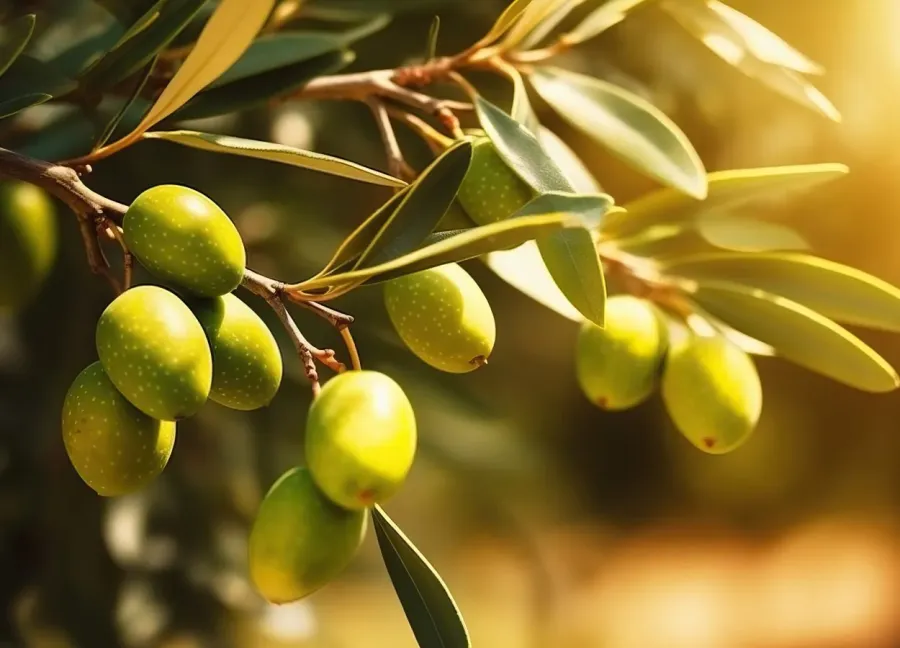
The Galega, the Cobrançosa and the Verdeal: The Portuguese Native Varieties Conquering the World
At a time when olive oil is establishing itself as one of the most studied and most highly valued foods of the Mediterranean diet, Portugal is emerging as one of the leading players in the global market.
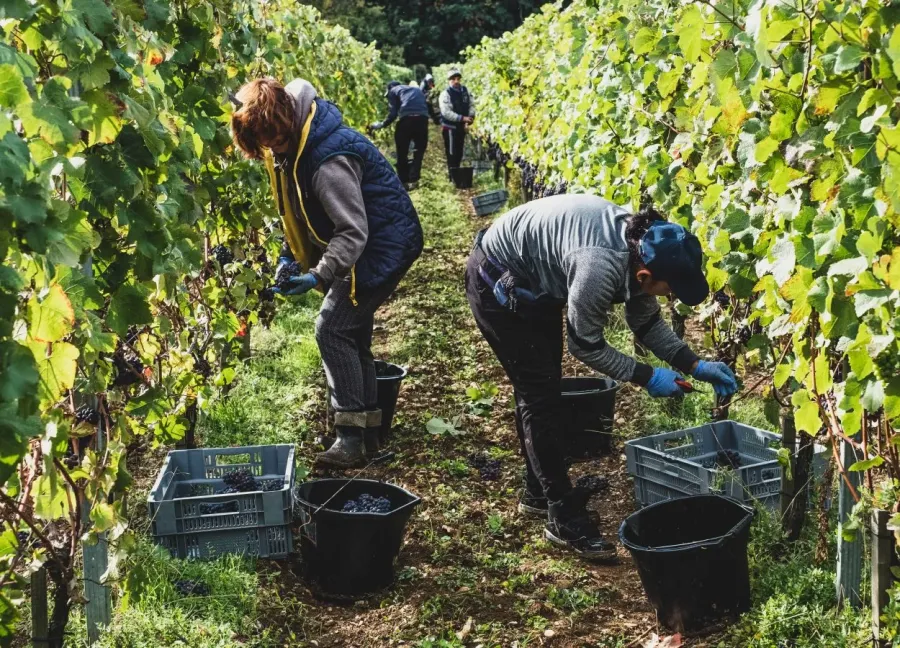
Climate change in Portuguese vineyards: what is changing and how to adapt?
In 2024, the International Organisation of Vine and Wine (OIV) recorded the lowest level of world production since 1961.

Frequently Asked Questions: Artificial Intelligence in Tourism Course
What is the aim of the AgroB Business School course on Artificial Intelligence in Tourism?