


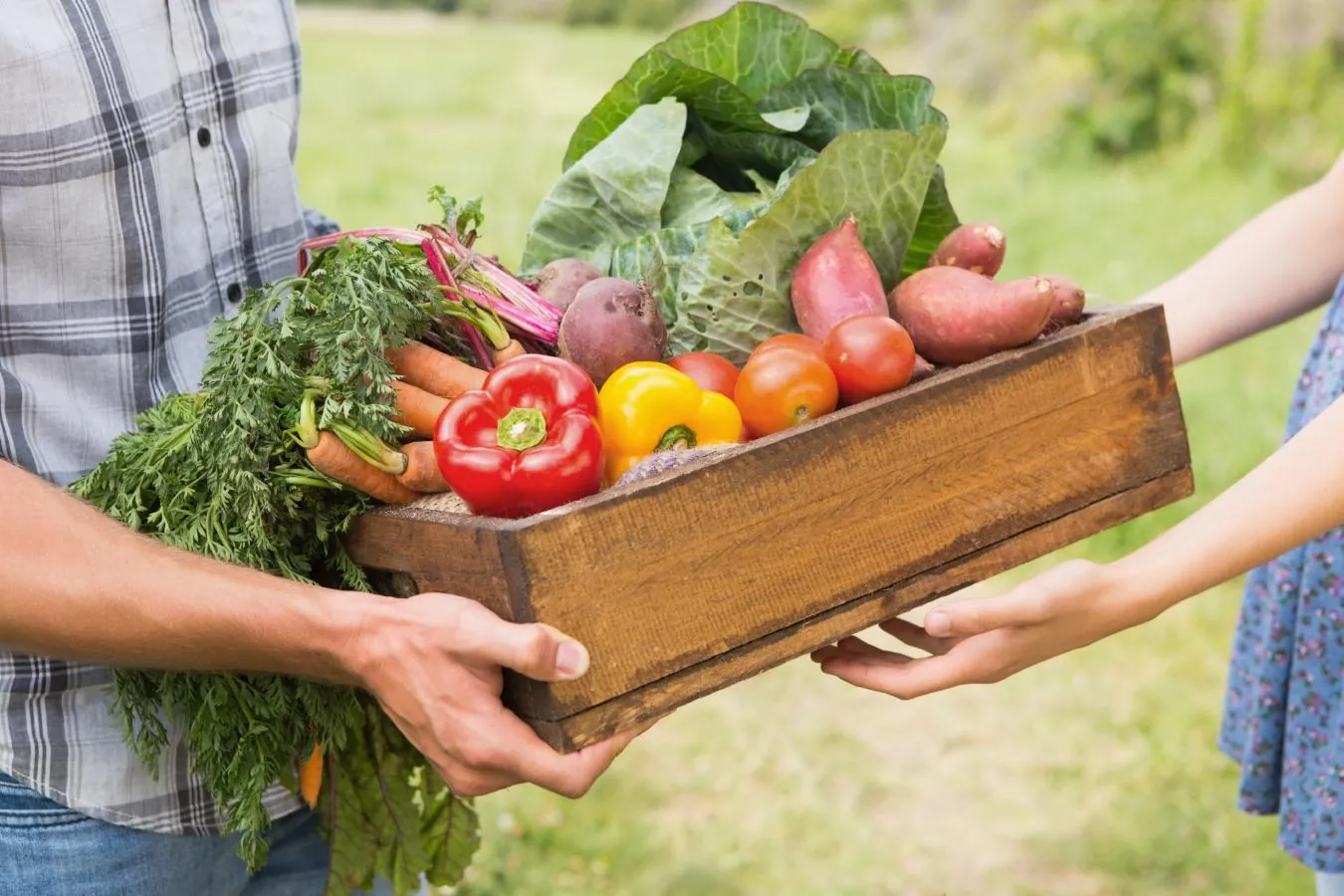
Advantages and Challenges of Direct Selling in Organic Farming
Direct selling in farming is a form of short-circuit marketing that gives the producer greater control over production and sales, bringing a number of advantages but also additional challenges.
Benefits of direct selling
- Higher profitability – The producer does not have to share their margin with intermediaries, which increases profit;
- Closeness to the consumer – It establishes a direct relationship with the customer, building trust and loyalty;
- Flexibility – Faster adaptation to changes in supply and demand;
- Immediate feedback – Continuous feedback on product quality;
- Control over prices and production – Greater autonomy in setting commercial strategy.
Added responsibilities
- Continuous management – The need to coordinate production and sales throughout the year;
- Multiple roles – The farmer carries out farming and commercial tasks at the same time;
- Diversification – In many cases they cannot focus on a single type of production;
- Customer loyalty – Building buying habits among regular customers;
- Collaboration with other producers – Cooperative strategies can be essential to guarantee enough product diversity and volume.
The customer profile in local organic farming
Consumers of organic products look for consistency of supply, trust in the producer and differentiation from the large retail chains. Convenient access to the products and mutual economic benefit are also valued.
The typical profile of these customers includes women aged between 30 and 60, with secondary or higher education, environmental and dietary concerns, middle incomes, and who live or work less than 5 km from the points of sale.
Direct selling channels
To ensure effective marketing, the producer can choose between different channels:
Selling at the farm gate
Although less common today, it remains viable for well-located farms.

Organic markets
Direct selling in licensed spaces, generally at weekends.

Supplying restaurants
Regular or occasional deliveries to establishments that value local and organic produce.

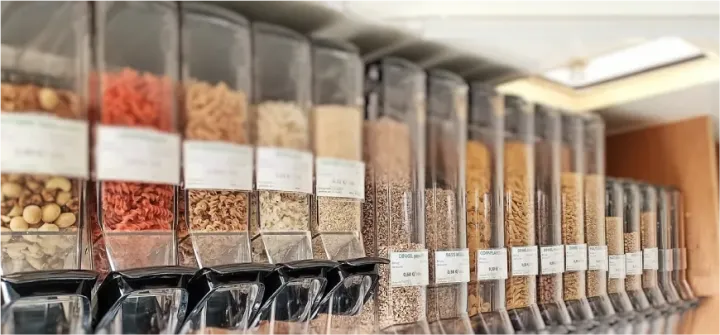
Organic and bulk shops
The possibility of supplying specialist shops, subject to a commission.
Veg box distribution
Models such as PROVE, AMAP or CSA, with weekly deliveries by subscription.
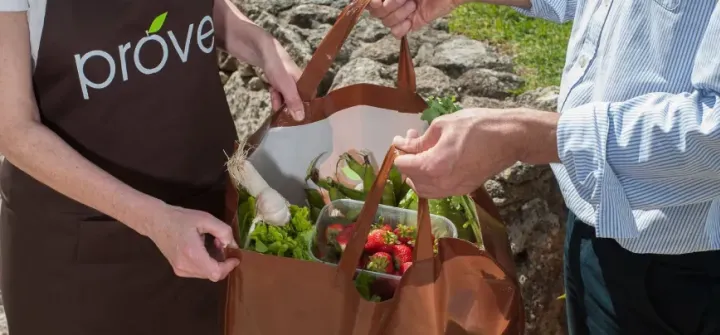
Source: PROVE – Cávado
Collection points at companies and institutions
Making it easier to deliver to multiple customers at a fixed location.

Promotion strategy
Communication should reinforce closeness to the consumer and transparency about the production process. Using social media to share everyday life on the farm, organising seasonal events and “open farm” days, and sending weekly messages with news and product availability are effective ways of building a loyal community around the farming project.
Authenticity and sharing what drives you are essential to attract and retain customers, creating a community around the farming project.
Are you a producer or a consumer using any of these direct selling channels?
Tell us about your experience in the comments!
Keep exploring
The Galega, the Cobrançosa and the Verdeal: The Portuguese Native Varieties Conquering the World
At a time when olive oil is establishing itself as one of the most studied and most highly valued foods of the Mediterranean diet, Portugal is emerging as one of the leading players in the global market.
Climate change in Portuguese vineyards: what is changing and how to adapt?
In 2024, the International Organisation of Vine and Wine (OIV) recorded the lowest level of world production since 1961.

Frequently Asked Questions: Artificial Intelligence in Tourism Course
What is the aim of the AgroB Business School course on Artificial Intelligence in Tourism?