


Forage and animal nutrition: the technical basis of livestock productivity
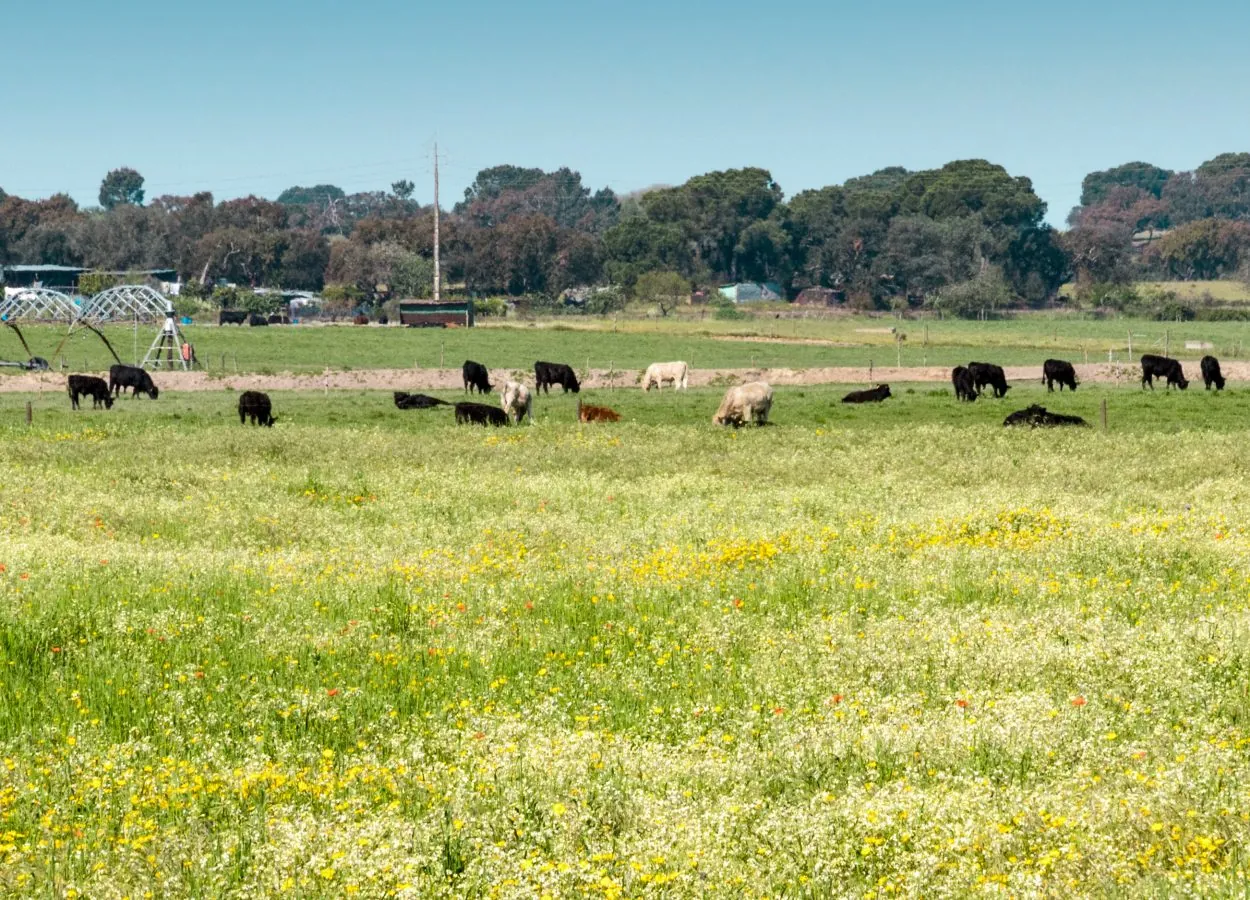
Feed accounts for one of the largest shares of production costs in livestock farming. Forage is the basis of the ruminant diet and plays a central role in productive efficiency, environmental sustainability and the economic viability of farms. Choosing the right forage species, combined with correct grazing and fertilisation management, has a direct influence on milk production, weight gain, reproduction and animal health.
What forage is and why it is essential
Forage consists of cultivated or spontaneous plants used in animal feeding through direct grazing, green forage, hay or silage. It essentially includes grasses and legumes, which have complementary functions within the forage system.
Ruminants have a specialised digestive system that allows plant fibre to be digested through rumen fermentation, turning plant biomass into products of high nutritional value such as milk and meat.
Types of forage and examples
Forage grasses
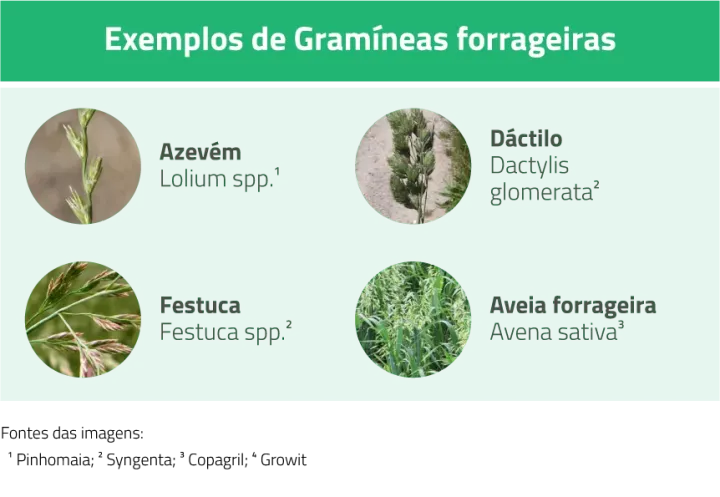
Grasses are the main source of dry matter and structural energy in the ruminant diet. They are characterised by high productivity, persistence and tolerance to grazing.
Forage legumes
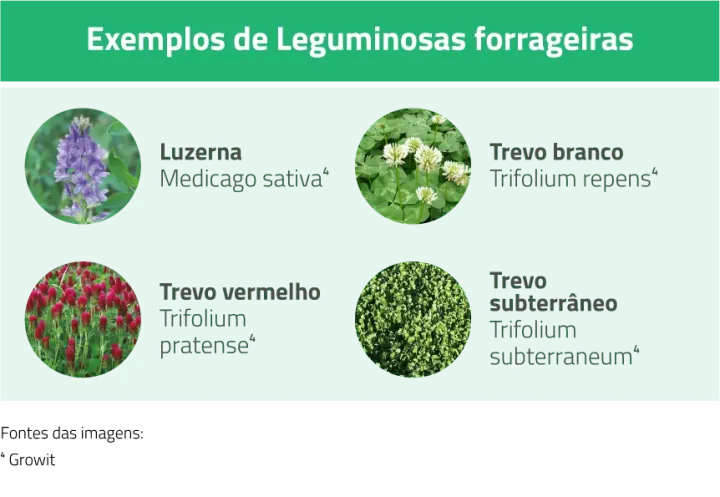
Legumes are essential for their high protein content and their ability to fix atmospheric nitrogen biologically, reducing the need for nitrogen fertilisation.
The presence of legumes in pasture can supply significant amounts of nitrogen to the soil-plant system, improving soil fertility and the productivity of the associated grasses.
The importance of forage in animal feeding
Forage is the basis of the diet of cattle, sheep and goats, providing energy, protein, fibre and minerals essential to rumen function.
Forage quality directly influences:
- voluntary intake
- milk production
- average daily gain
- feed efficiency
- fertility and reproductive performance
- rumen and metabolic health
Forage with high digestibility and protein content increases intake and improves animal performance.
Examples of use in livestock systems
Intensive dairy systems
Feed base: maize silage, ryegrass and clover pasture, concentrate supplementation. Objective: maximise energy and protein intake for high milk production.
Extensive beef cattle systems
Feed base: natural pasture and pasture improved with annual legumes. Objective: reduce costs and increase pasture persistence under dryland conditions.
Grazing sheep and goat systems
Feed base: biodiverse mixtures of grasses and legumes, spontaneous vegetation and shrubs. Objective: ensure stable production throughout the year and improve resilience to the climate.
Forage mixtures and sustainability
Combining grasses and legumes is considered a key practice in the sustainable intensification of livestock production. Forage mixtures allow:
- greater biomass production
- higher protein content in the diet
- reduced nitrogen fertilisation
- improved biodiversity and soil structure
- greater stability of production throughout the year
The economic impact of forage
Forage quality has a direct impact on feed costs. Low quality forage forces greater use of concentrates, significantly increasing production costs. Well planned forage systems, by contrast, reduce dependence on commercial feed and increase the farm's economic margin.
Forage is the pillar of livestock production. Choosing the right species, combining grasses and legumes and managing grazing correctly are decisive in maximising animal productivity, reducing costs and increasing the environmental sustainability of farms.
Technical sources and references
Van Soest, P. J. (1994). Nutritional Ecology of the Ruminant. Cornell University Press.
National Research Council (NRC). (2001). Nutrient Requirements of Dairy Cattle. National Academies Press.
FAO (Food and Agriculture Organization of the United Nations). (2010). Grasslands and Forage Crops. FAO Animal Production and Health Series.
INIAV (Instituto Nacional de Investigação Agrária e Veterinária). Publicações técnicas sobre pastagens e forragens em Portugal.
European Food Safety Authority (EFSA). Animal Welfare and Sustainable Livestock Production.
MDPI – Plants Journal. Artigos científicos sobre consociações de gramíneas e leguminosas em sistemas forrageiros.
Keep exploring
The Galega, the Cobrançosa and the Verdeal: The Portuguese Native Varieties Conquering the World
At a time when olive oil is establishing itself as one of the most studied and most highly valued foods of the Mediterranean diet, Portugal is emerging as one of the leading players in the global market.
Climate change in Portuguese vineyards: what is changing and how to adapt?
In 2024, the International Organisation of Vine and Wine (OIV) recorded the lowest level of world production since 1961.

Frequently Asked Questions: Artificial Intelligence in Tourism Course
What is the aim of the AgroB Business School course on Artificial Intelligence in Tourism?