


Bluetongue Disease in Sheep
Bluetongue, also known as ovine catarrhal fever, is a viral disease affecting ruminants, sheep in particular, transmitted by insects of the genus Culicoides. It is not contagious between animals and poses no risk to humans.
On 13 September 2024, the Instituto Nacional de Investigação Agrária e Veterinária (INIAV) confirmed the presence of serotype 3 of the bluetongue virus in the district of Évora, the first detection of this serotype in the country. The disease has spread quickly since then, leading the Direção-Geral de Alimentação e Veterinária (DGAV) to classify the whole of mainland Portugal as an affected area.
By 28 October 2024 there were 238 affected sheep holdings, with 11,934 sick animals and 1,775 deaths. The worst affected districts include Évora, Beja, Setúbal and Portalegre.
Symptoms of the disease
In sheep, bluetongue often takes an acute form, with signs such as:
- High fever (up to 42 °C);
- Inflammation and ulcers on the oral and nasal mucosa;
- A swollen tongue, occasionally with a bluish colour (cyanosis);
- Nasal discharge and excessive salivation;
- Oedema in areas such as the head and neck;
- Lameness caused by lesions on the hooves;
- Significant weight loss;
- Abortions or foetal malformations.

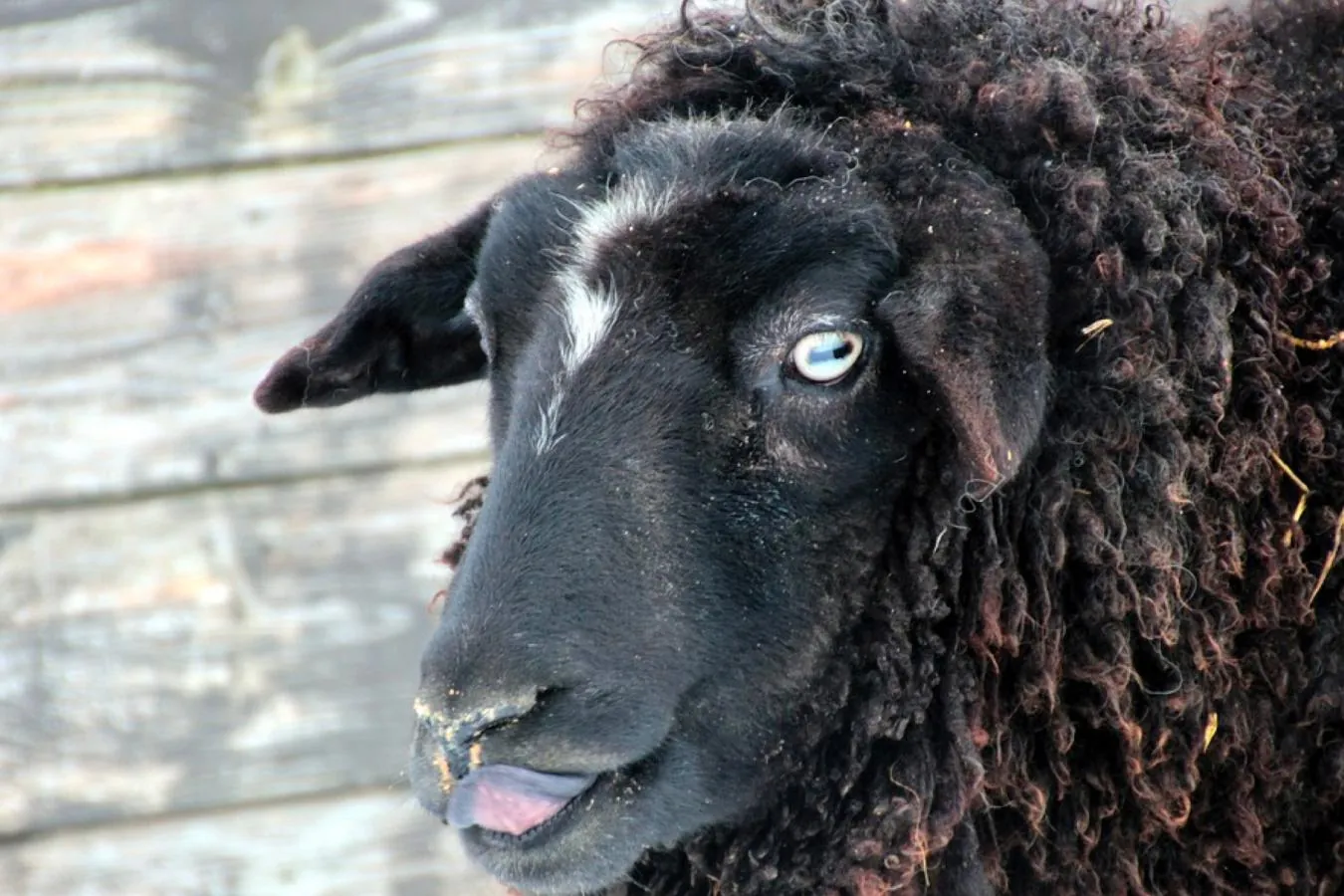
Figures: swollen tongue and cyanosis (Source: gauchazh.clicrbs.com.br)
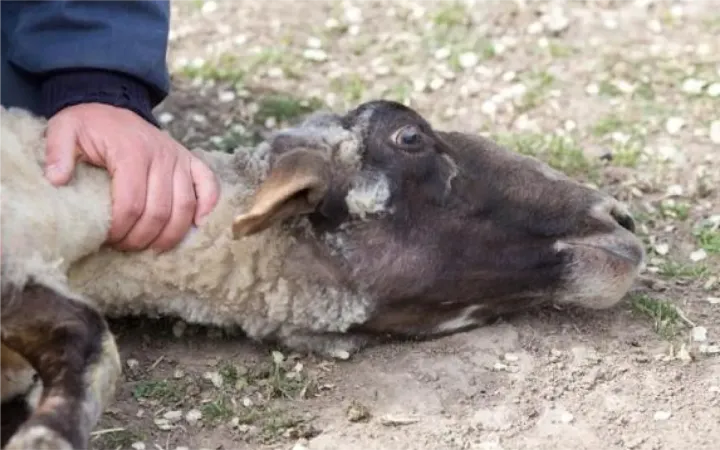
Figure: lameness (Source: www.peritoanimal.com.br)
Control and prevention measures
The DGAV has put several measures in place to contain the spread of the disease:
- Compulsory vaccination: for serotypes 1 and 4, vaccination of sheep and cattle is compulsory in certain regions, including the Algarve and parts of the Alentejo, Santarém, Setúbal and Castelo Branco.
- Voluntary vaccination: for serotype 3, vaccination is currently voluntary but strongly recommended by the veterinary authorities.
- Insect control: control of vector insects through disinsection measures on holdings.
- Compulsory notification: any suspicion or confirmation of the disease must be reported to the DGAV immediately.
Economic impact
The spread of bluetongue has caused significant losses to the Portuguese livestock sector. The Confederação dos Agricultores de Portugal (CAP) puts the losses at around six million euros, on account of animal mortality and trade restrictions.
Bluetongue is a serious challenge for the national livestock sector.
Rigorous implementation of the control measures, together with the cooperation of farmers and vets, is essential to mitigate the impact of the disease. Vaccination, especially against serotype 3, is a crucial tool in protecting flocks and containing the spread of the virus.
Keep exploring
The Galega, the Cobrançosa and the Verdeal: The Portuguese Native Varieties Conquering the World
At a time when olive oil is establishing itself as one of the most studied and most highly valued foods of the Mediterranean diet, Portugal is emerging as one of the leading players in the global market.
Climate change in Portuguese vineyards: what is changing and how to adapt?
In 2024, the International Organisation of Vine and Wine (OIV) recorded the lowest level of world production since 1961.

Frequently Asked Questions: Artificial Intelligence in Tourism Course
What is the aim of the AgroB Business School course on Artificial Intelligence in Tourism?