


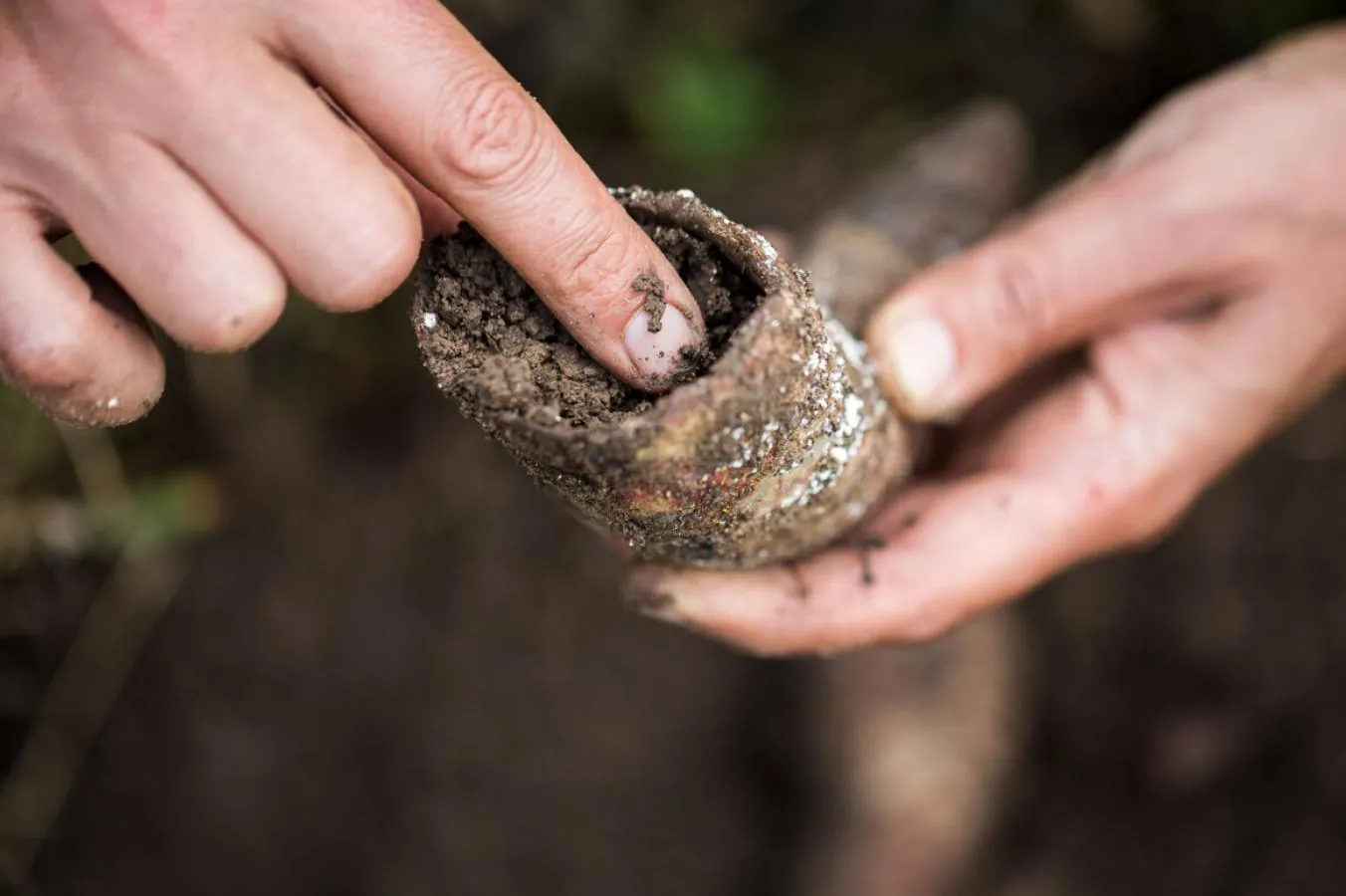
Biodynamic Agriculture
Biodynamic agriculture was founded in 1924 by Rudolf Steiner, when a group of farmers became aware of the negative consequences of chemical fertilisers and monocultures.
It holds that every farm should be seen as an autonomous, self-sufficient organism, on the understanding that all the elements of the holding, the farmer included, depend on one another.
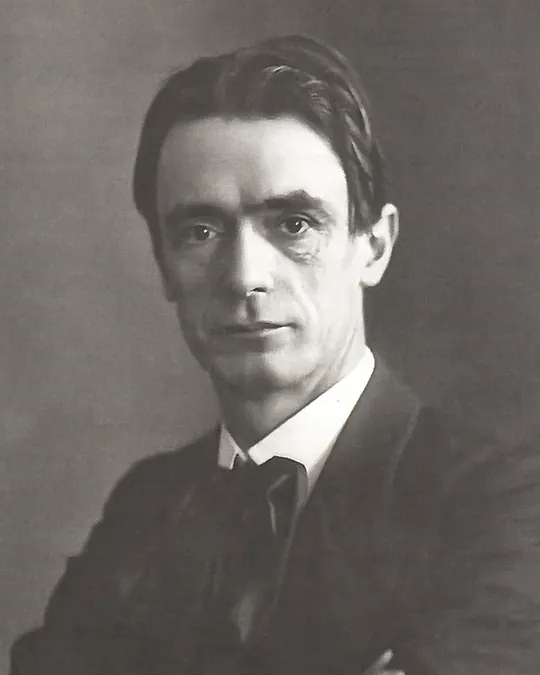
Figure: Rudolf Steiner
What sets biodynamic agriculture apart?
Regeneration
This production method does not stop at producing sustainably. It also sets out to regenerate the place where the farm sits.
Biodynamic preparations
Compost prepared with medicinal herbs (chamomile, dandelion, nettle, yarrow and valerian, for example) is commonly used to improve the soil, each preparation with a specific purpose.
Other preparations, such as horn manure or horn silica, are applied periodically to stimulate soil activity, increase resistance to pests and support the plants' metabolism.
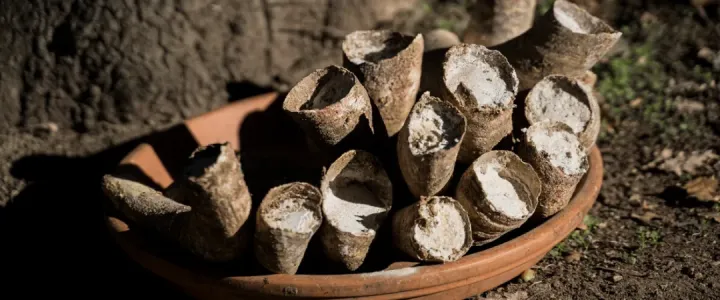


Figures (Source): https://demeter.net/biodynamics/biodynamic-preparations/
Social relations
There is a strong social responsibility component, which requires the farmer to look after the wellbeing of the workforce, professionally and personally alike.
Cosmic rhythms
In this production method, cosmic forces, astrological influences, rhythms and lunar calendars guide decisions on harvesting, sowing and planting.
The biodynamic calendar links plants to the elements (earth, water, fire, air) through the moon phases and the signs of the zodiac. Water favours stems, earth roots, fire fruit and air leafy vegetables.

Do you use any of these practices on your farm?
Tell us in the comments!
Keep exploring
The Galega, the Cobrançosa and the Verdeal: The Portuguese Native Varieties Conquering the World
At a time when olive oil is establishing itself as one of the most studied and most highly valued foods of the Mediterranean diet, Portugal is emerging as one of the leading players in the global market.
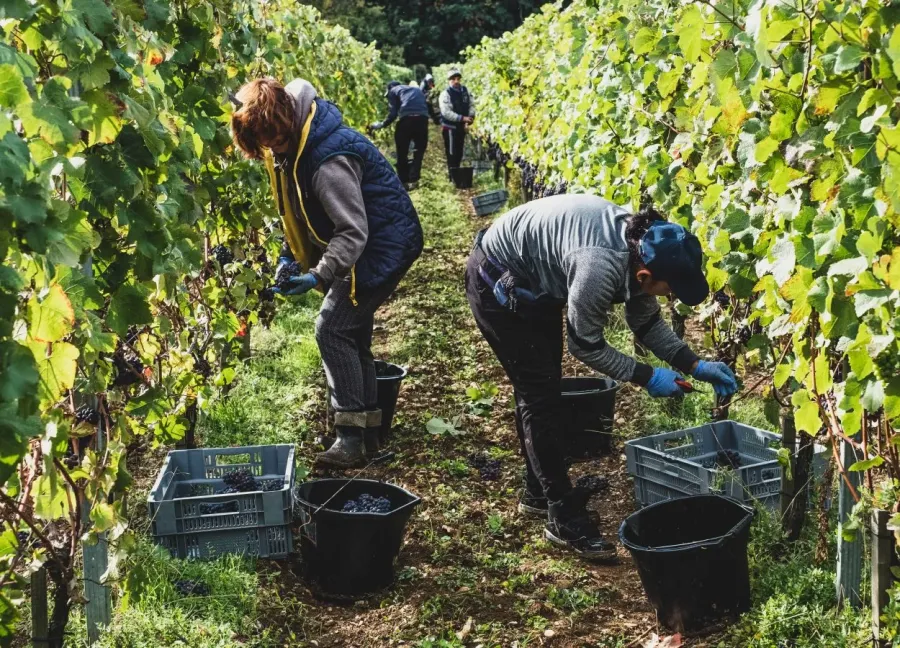
Climate change in Portuguese vineyards: what is changing and how to adapt?
In 2024, the International Organisation of Vine and Wine (OIV) recorded the lowest level of world production since 1961.

Frequently Asked Questions: Artificial Intelligence in Tourism Course
What is the aim of the AgroB Business School course on Artificial Intelligence in Tourism?