


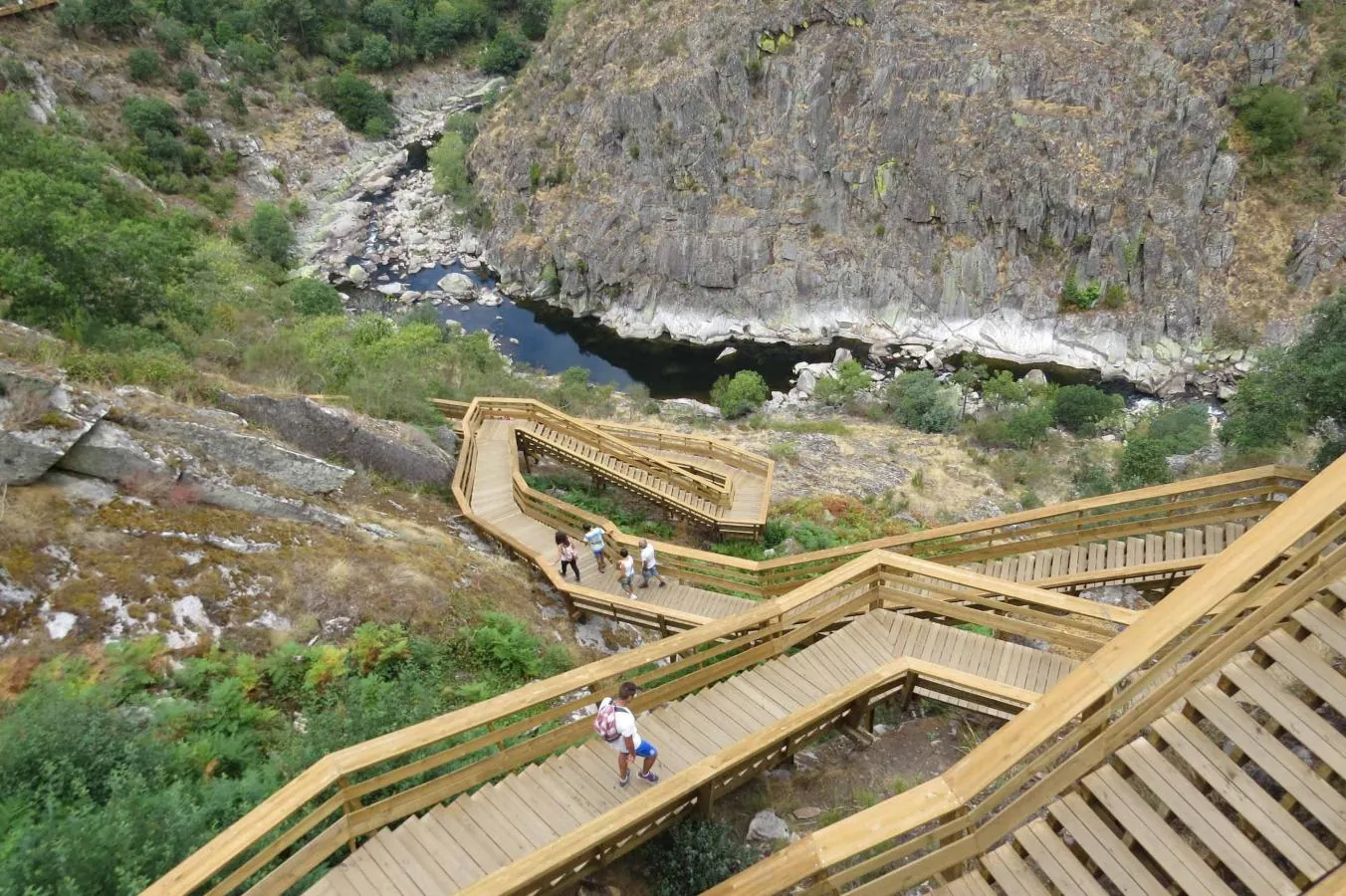
What Motivates the Rural Tourist
Rural tourism covers a range of activities, accommodation and entertainment services that showcase the natural, scenic and cultural heritage of the countryside.
There are different kinds of activities and motivations that bring tourists to these regions of our country.
Cultural tourism
Culture is one of the most important motivations associated with tourism. Within this broad group there are different themes, such as history; rural architecture; museums and interpretation centres; crafts; local fairs and festivals; music and folklore; and so on.

Figure: An example of cultural tourism – CoaParque – Museu e Parque Arqueológico do Vale do Côa (Vila Nova de Foz Côa)
Nature tourism
Many rural tourists are looking for contact with nature, landscapes, flora, fauna and terrain. This motivation has been attracting growing interest, driven by the pace of modern life in the big cities.
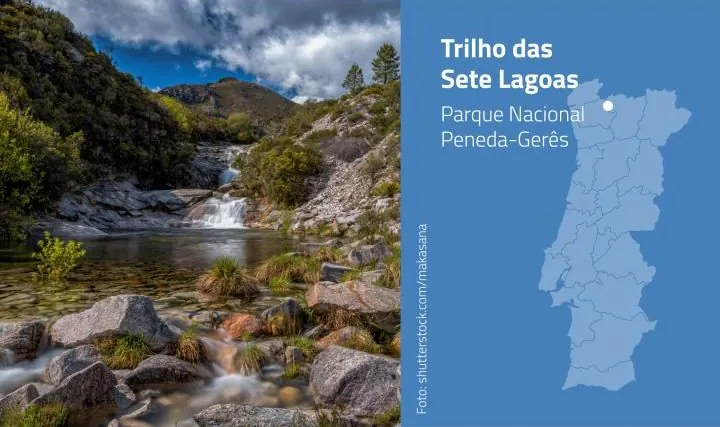
Figures: An example of nature tourism – Trilho das Sete Lagoas – Parque Nacional Peneda-Gerês
Adventure tourism
Some tourists are looking for more intense thrills and experiences, usually linked to extreme sports. In the countryside, activities such as paragliding, skydiving, trekking, rafting, climbing, canoeing and off-road routes stand out.
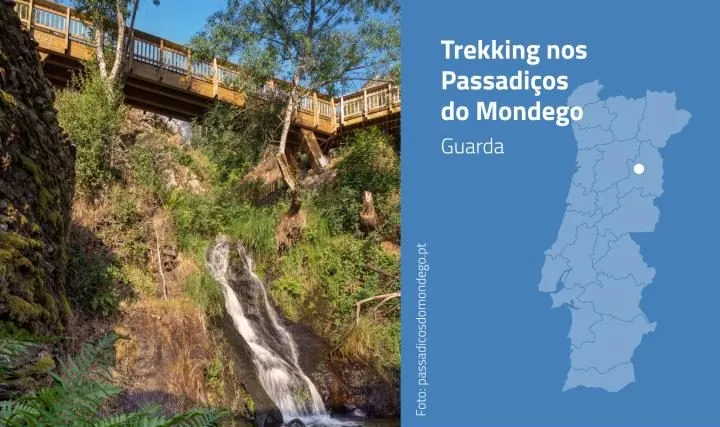
Figure: An example of adventure tourism – trekking on the Passadiços do Mondego – Guarda
Health tourism
This is linked to the wellbeing of the tourist, who seeks out places offering specific treatments and therapies. Examples include spa waters, climate therapy and thalassotherapy.

Figure: An example of health tourism – Termas de S. Pedro do Sul – Várzea
Religious tourism
Religion is one of the oldest motivations that lead a person to travel. Even today, places of worship and religious events draw large numbers of visitors.
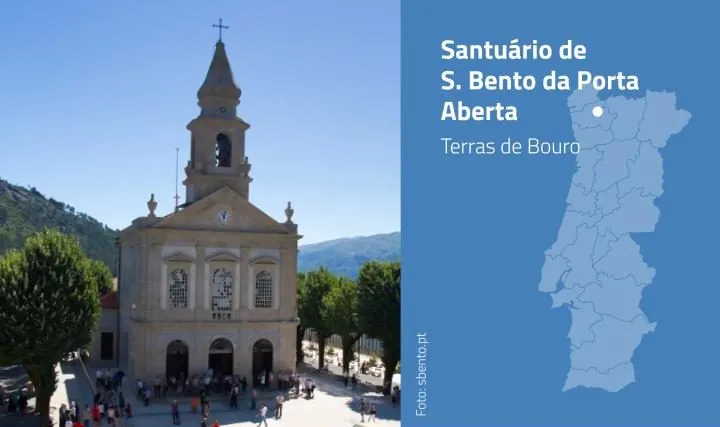
Figure: An example of religious tourism – Santuário de S. Bento da Porta Aberta – Terras de Bouro
Food tourism
This covers activities, experiences and festivals devoted to tasting traditional dishes, snacks, wines and liqueurs. Wine tourism belongs in this category too, as a more specific gastronomic experience connected with the production and tasting of wines.

Figure: An example of food tourism – Cozinha dos Ganhões – Estremoz
Keep exploring
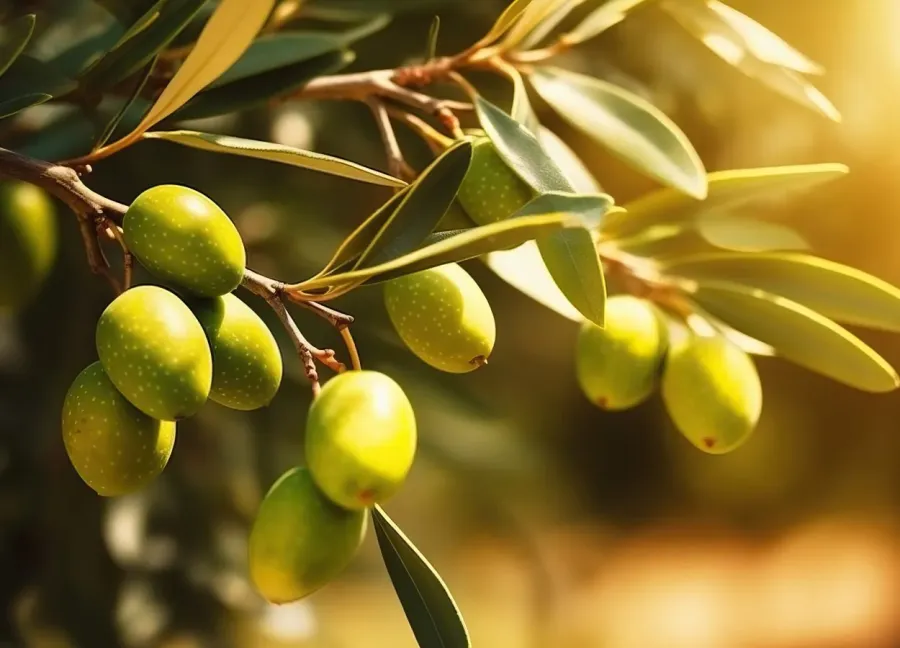
The Galega, the Cobrançosa and the Verdeal: The Portuguese Native Varieties Conquering the World
At a time when olive oil is establishing itself as one of the most studied and most highly valued foods of the Mediterranean diet, Portugal is emerging as one of the leading players in the global market.
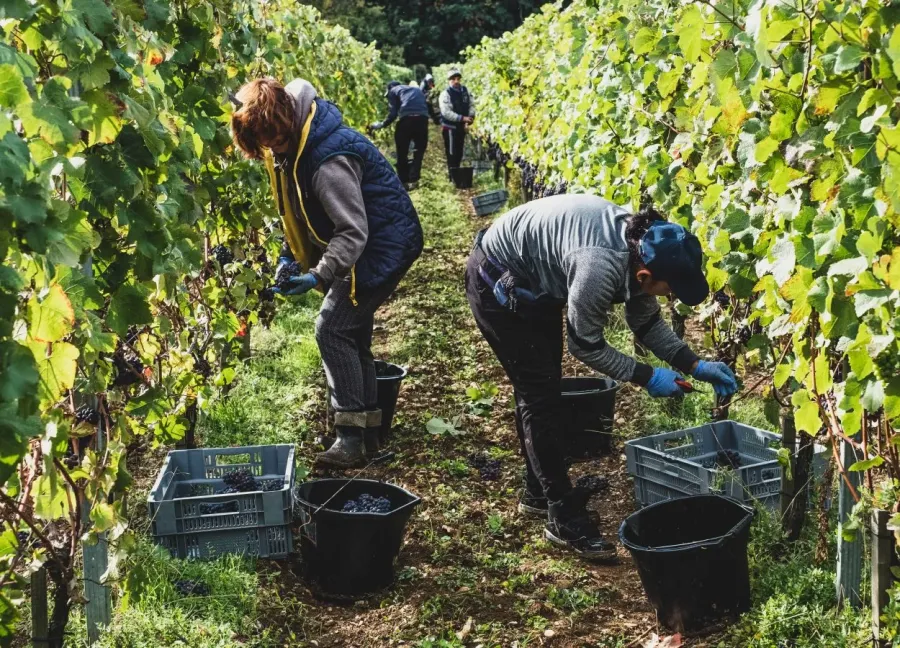
Climate change in Portuguese vineyards: what is changing and how to adapt?
In 2024, the International Organisation of Vine and Wine (OIV) recorded the lowest level of world production since 1961.

Frequently Asked Questions: Artificial Intelligence in Tourism Course
What is the aim of the AgroB Business School course on Artificial Intelligence in Tourism?