


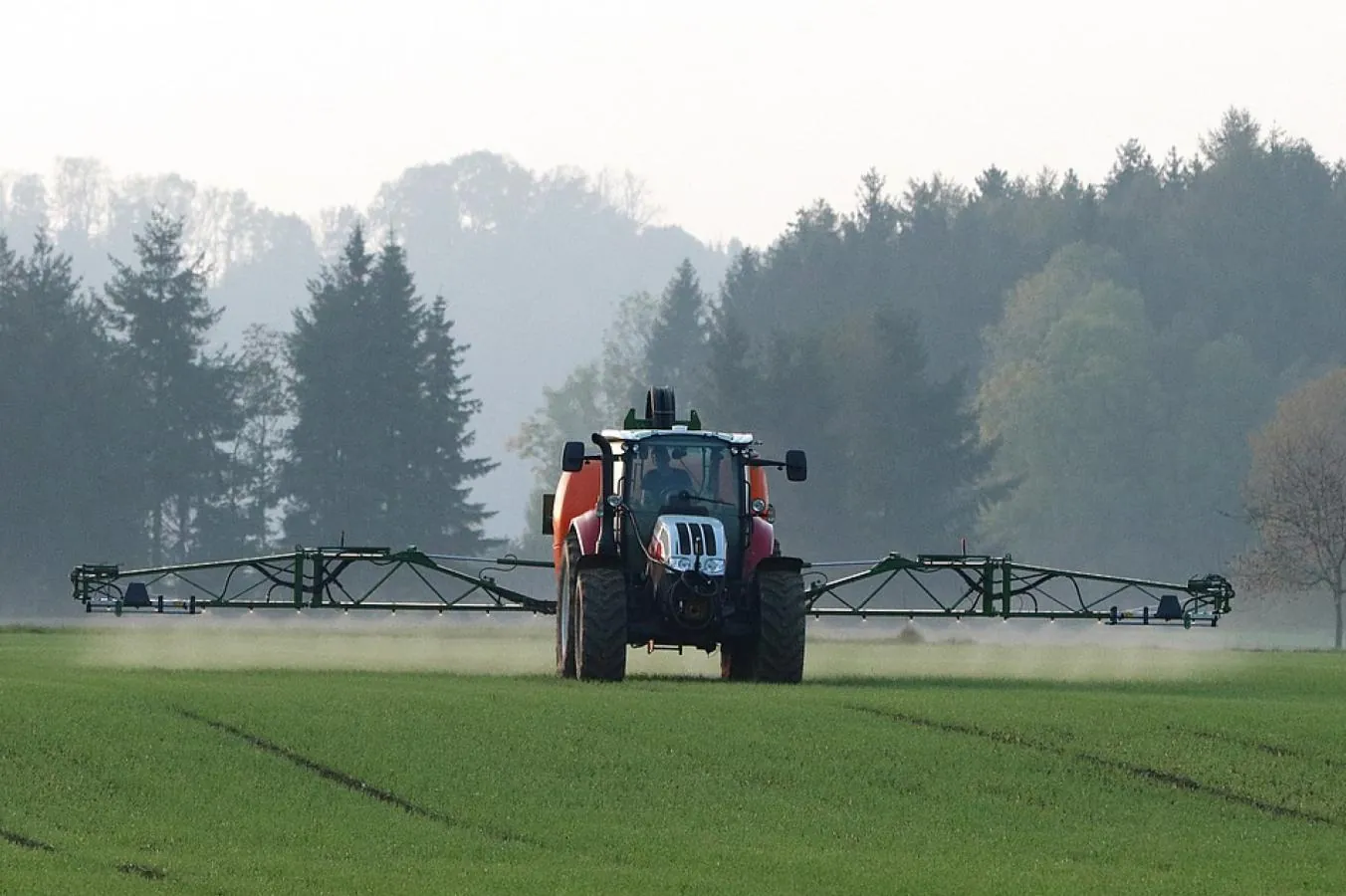
VRTs in the Application of Production Inputs
VRT stands for "variable rate technology", meaning production inputs are applied automatically and adjusted to the conditions of each parcel.
This prevents over-application or under-application at particular points in the field.
For this adapted, precision application to be workable, data has to be collected first.
Variable rate application can be based on:
- Maps;
- Sensors.
→ Map-based VRTs: production inputs applied from a georeferenced map (a prescription chart) generated ahead of the application.

→ Sensor-based VRTs: applied from real-time readings.

VRT technology makes it possible to apply seed, fertiliser and plant protection products according to the data collected, which reflects the variability of the land.
Advantages of using VRT:
- Savings on inputs;
- Optimised yield and quality;
- Environmental sustainability.
Had you come across this precision agriculture technology before?
Tell us in the comments!
Keep exploring
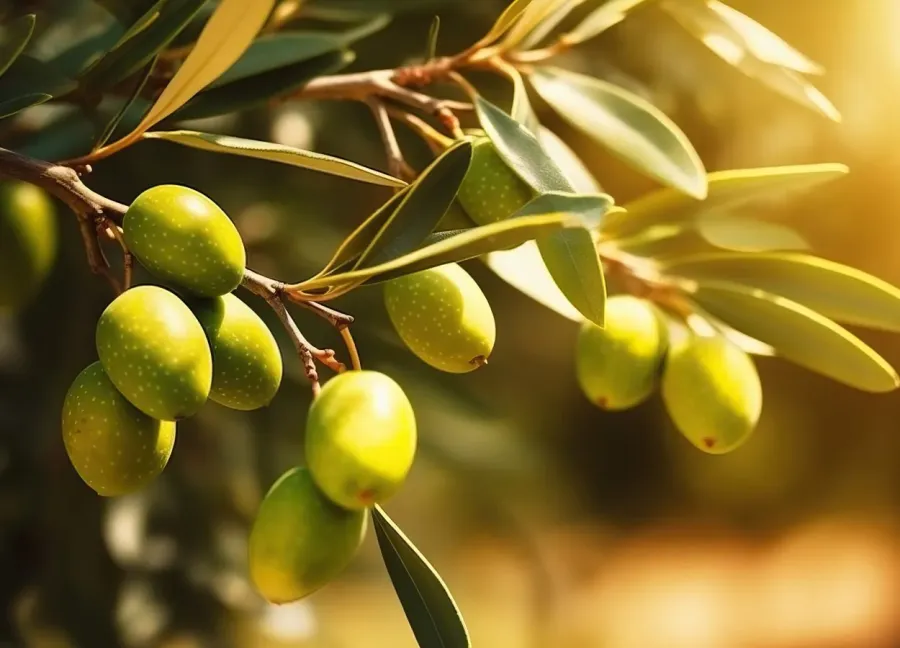
The Galega, the Cobrançosa and the Verdeal: The Portuguese Native Varieties Conquering the World
At a time when olive oil is establishing itself as one of the most studied and most highly valued foods of the Mediterranean diet, Portugal is emerging as one of the leading players in the global market.
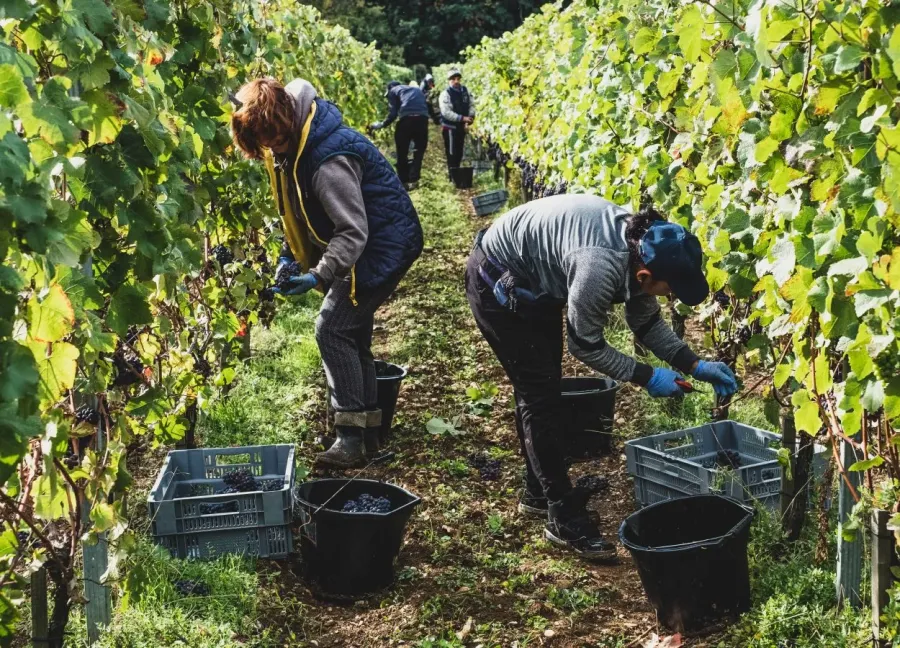
Climate change in Portuguese vineyards: what is changing and how to adapt?
In 2024, the International Organisation of Vine and Wine (OIV) recorded the lowest level of world production since 1961.

Frequently Asked Questions: Artificial Intelligence in Tourism Course
What is the aim of the AgroB Business School course on Artificial Intelligence in Tourism?