


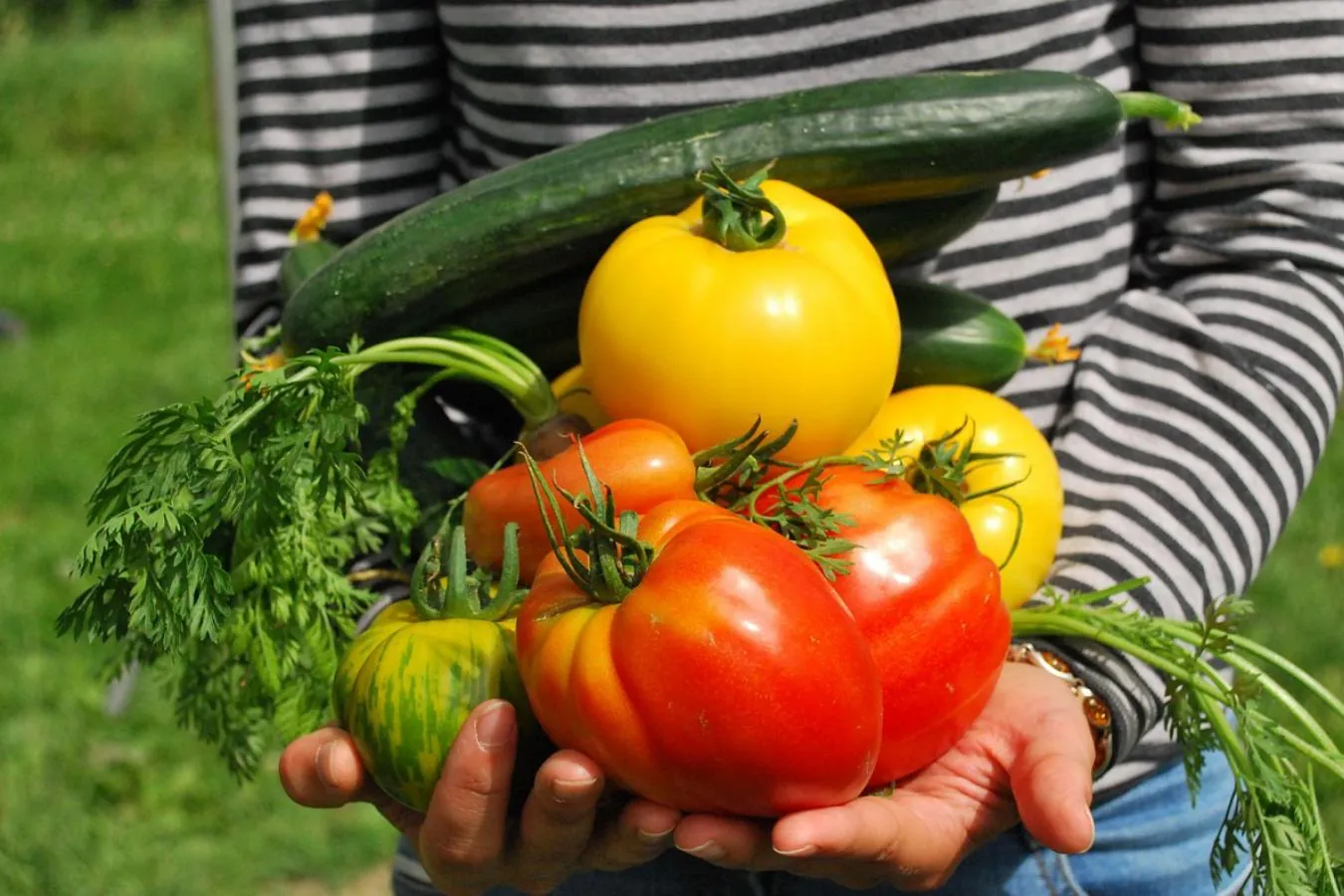
Crop Rotation
Crop rotation is a cultural practice for planning which crops to establish, with the aim of avoiding soil exhaustion.
As the name suggests, planning this practice means avoiding sowing or planting the same crops in the same place one season after another.
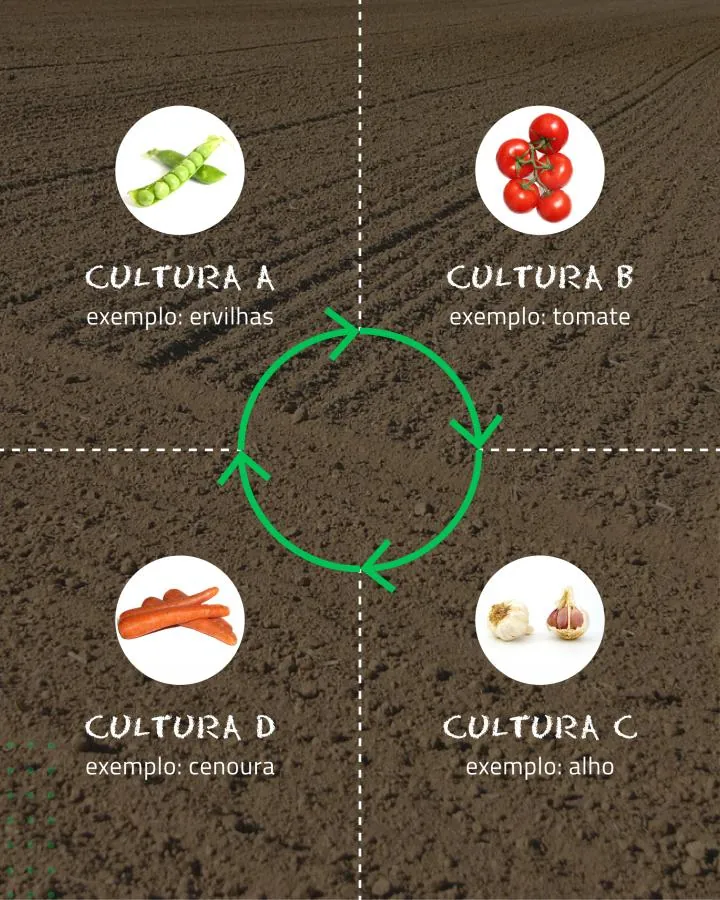
The practice lets the soil be worked at different depths and nutritional levels, since different crops have different root systems and different nutritional demands.
Advantages:
- A varied food production;
- Benefits to soil structure;
- Improved soil fertility;
- Breaking pest and disease cycles;
- Better weed control;
- Soil cultivation at different depths;
- Organic matter returned to the soil.
When planning, it is important to choose plants with different:
- Families;
- Root systems;
- Growth habits;
- Nutritional demands.
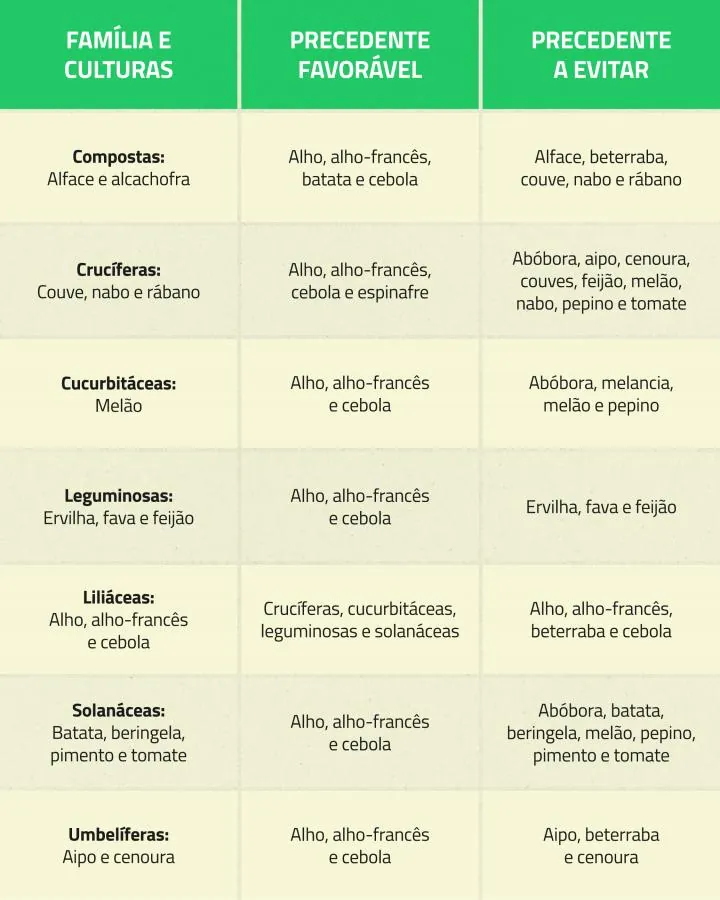
When planning, it is also important to watch the compatibility between successive plants, and to include legumes in the rotation.
Did you know about this practice?
Tell us in the comments!
Keep exploring
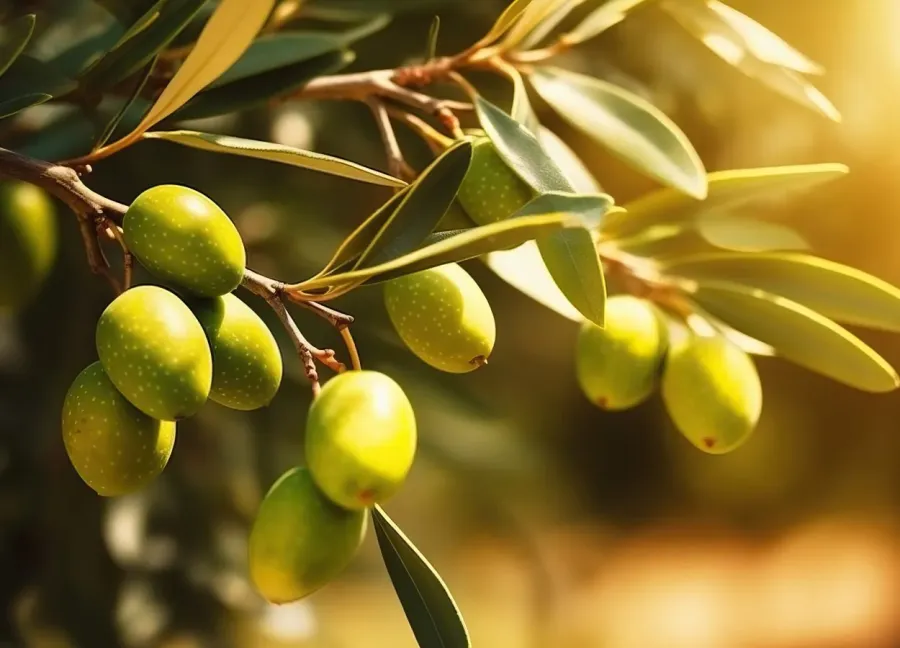
The Galega, the Cobrançosa and the Verdeal: The Portuguese Native Varieties Conquering the World
At a time when olive oil is establishing itself as one of the most studied and most highly valued foods of the Mediterranean diet, Portugal is emerging as one of the leading players in the global market.
Climate change in Portuguese vineyards: what is changing and how to adapt?
In 2024, the International Organisation of Vine and Wine (OIV) recorded the lowest level of world production since 1961.

Frequently Asked Questions: Artificial Intelligence in Tourism Course
What is the aim of the AgroB Business School course on Artificial Intelligence in Tourism?