


Organic Farming Certification: Requirements and Benefits
Organic certification is an essential step for producers looking to position themselves in a growing, demanding and increasingly conscientious market. Obtaining the "organic production" mark is not merely a formality, it is a commitment to sustainable practices that are regulated and inspected. In this article we explain what certification involves, its main requirements and the commercial advantages it can bring.
Organic farming certification (or organic certification) is the official process that confirms a farm holding meets the European rules on organic production. This certification is compulsory for anyone wishing to sell products labelled "organic" in the European Union.
The process involves audits, analyses and regular monitoring by an accredited certification body. In Portugal, the main bodies include SATIVA, Naturalfa, Kiwa Sativa, Ecocert and Certis, among others.
Organic production is subject to a strict set of rules laid down by Regulation (EU) 2018/848. The requirements vary slightly according to the type of production (crop, livestock or processed goods), but they include:
Sustainable farming practices:
- A ban on the use of synthetic chemical pesticides and fertilisers;
- Compulsory crop rotation;
- Use of organic seed wherever possible.
Animal welfare:
- Suitable housing conditions with access to the open air;
- Feed based on organic products;
- Restrictions on the use of conventional veterinary medicines.
Traceability and control:
- Detailed records of activity on the holding;
- Physical and documentary separation of organic and non-organic products;
- Regular audits by the certification body.
Conversion period:
Conventional land and animals must go through a conversion period (generally 2 to 3 years), during which organic practices are applied but the products cannot yet be marketed as organic.
The Commercial Benefits of Certification
Investing in organic certification brings farmers a number of advantages:
- Higher market value: certified organic products command higher prices, driven by growing demand from conscientious consumers;
- Access to new sales channels: many retailers, online platforms and international markets require certification before listing a product;
- Easier exporting: certification is recognised across the EU and in many external markets, making exporting easier;
- A stronger image and reputation: the organic mark inspires consumer confidence and sets the brand or producer apart from conventional competitors;
- Access to public funding: many support measures for agricultural and agri-environmental investment give priority to organic producers or are reserved for them.
How do you obtain certification?
The certification process involves the following main stages:
- Choosing an accredited certification body;
- Applying to join the scheme and completing the technical record for the holding;
- An initial audit visit;
- Implementing the legal requirements;
- Ongoing monitoring and periodic audits;
- Issue of the organic certificate.
It is strongly advisable to have the support of a technician or consultant specialising in organic farming so that the whole process runs efficiently and without slip-ups.
At Espaço Visual we can help you through this process. Get in touch to find out more.
Keep exploring
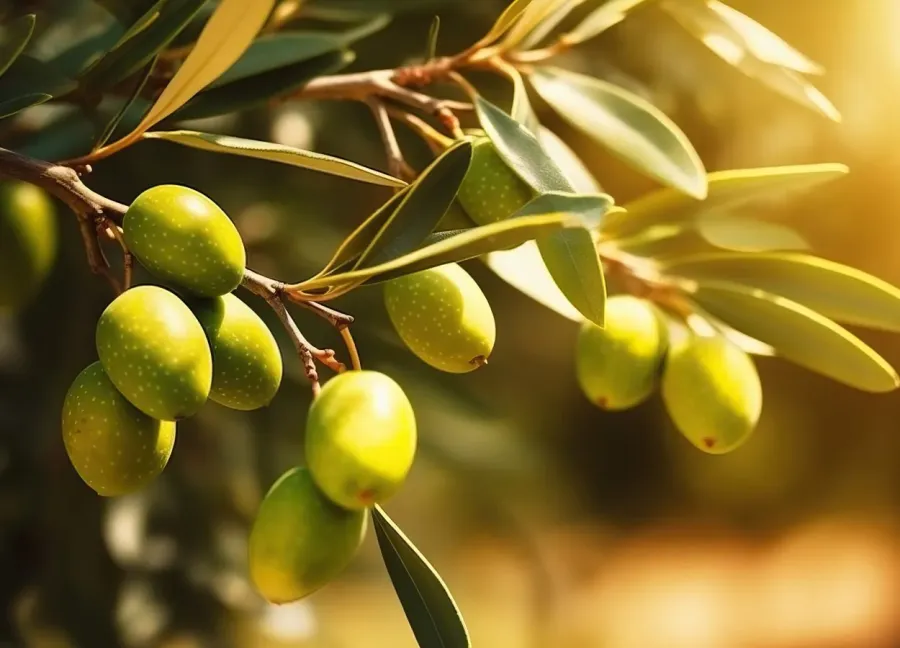
The Galega, the Cobrançosa and the Verdeal: The Portuguese Native Varieties Conquering the World
At a time when olive oil is establishing itself as one of the most studied and most highly valued foods of the Mediterranean diet, Portugal is emerging as one of the leading players in the global market.
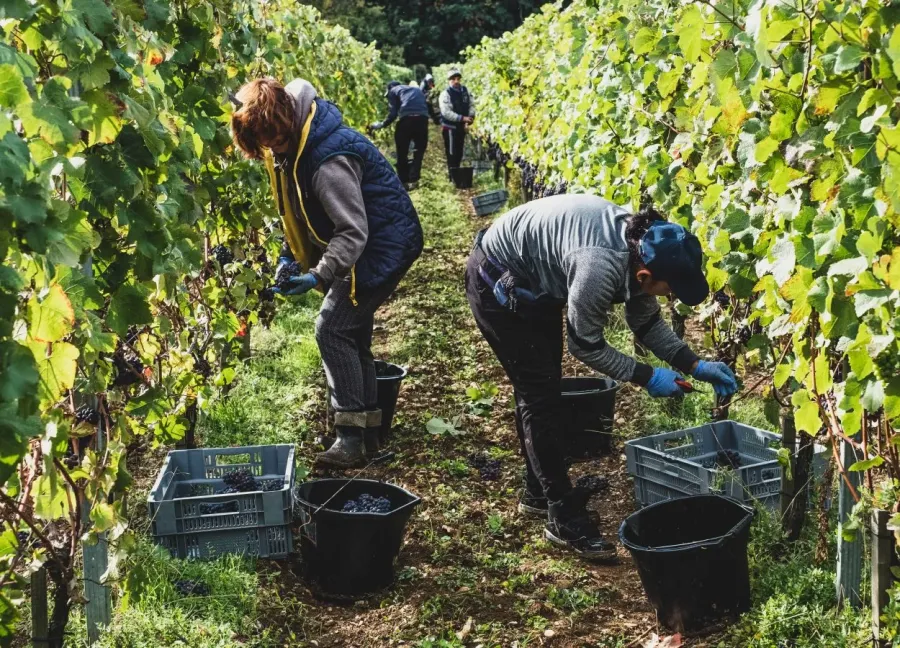
Climate change in Portuguese vineyards: what is changing and how to adapt?
In 2024, the International Organisation of Vine and Wine (OIV) recorded the lowest level of world production since 1961.

Frequently Asked Questions: Artificial Intelligence in Tourism Course
What is the aim of the AgroB Business School course on Artificial Intelligence in Tourism?