


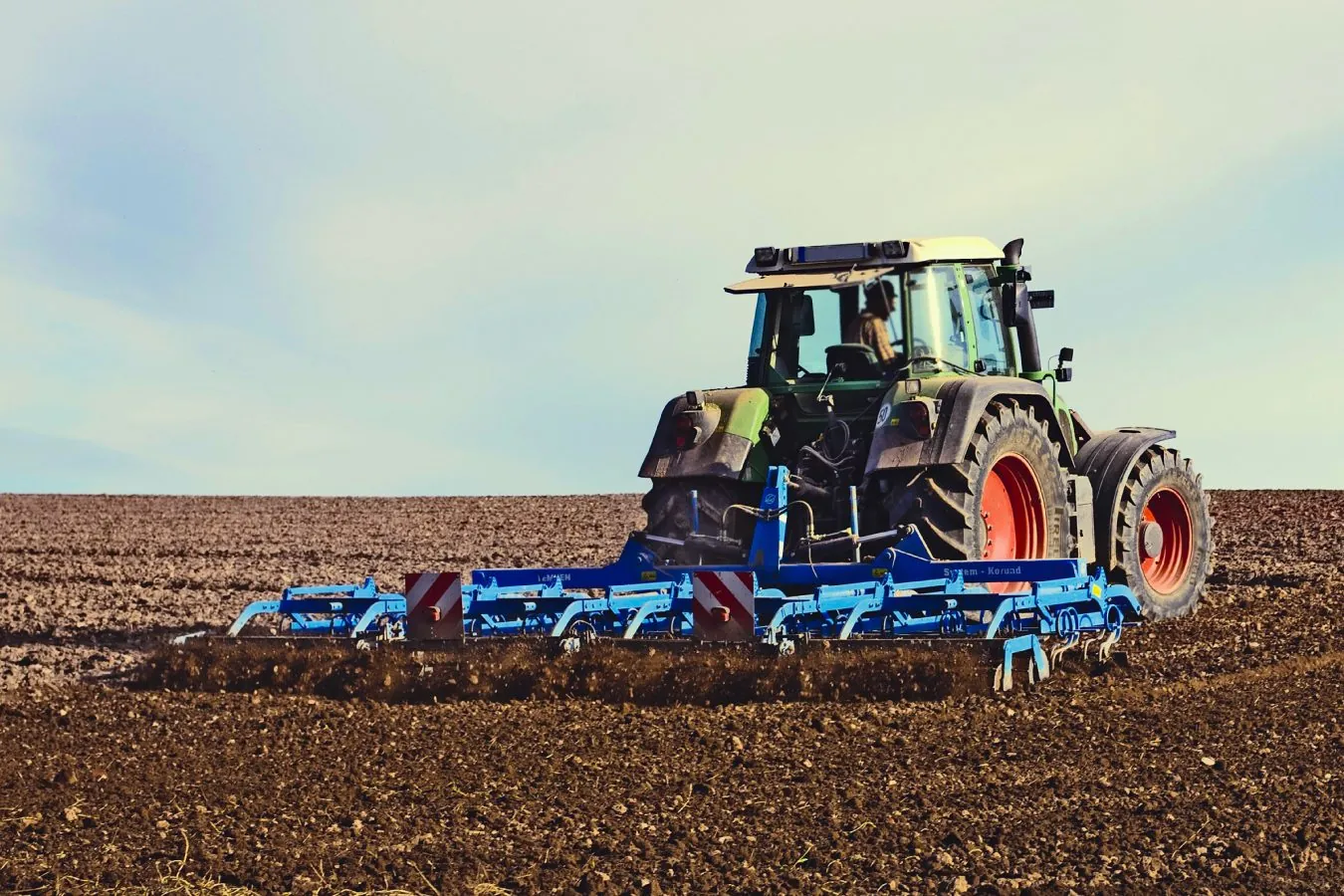
Main Types of Agricultural Tractors
According to the code of the Organisation for Economic Co-operation and Development (OECD), a tractor is a self-propelled wheeled or tracked vehicle with at least two axles, built to perform essential functions in agriculture. Those functions include:
- Pulling trailers;
- Carrying, pulling or pushing implements or agricultural machinery;
- Supplying power to those implements, whether moving or stationary.
Tractors can be classified according to three main criteria:
- Length: long or short tractors, depending on the wheelbase;
- Track width: narrow tractors (under 1.15 m, typical in vineyards) or wide tractors (standard – 1.50 m, 1.80 m, 2.0 m);
- Ground clearance: low tractors (35-40 cm) or high tractors (over 60 cm), depending on the need to pass over crops without damaging them.
Types of Tractor
Two-wheel drive and four-wheel drive tractors
Two-wheel drive tractors transmit power only to the rear wheels and are suited to light tasks on undemanding terrain. Four-wheel drive (or 4×4) tractors, on the other hand, drive both axles, offering better grip on the ground and the ability to work on difficult or sloping terrain.

Figure: Two-wheel drive and four-wheel drive tractors (Source: Márquez, L. 2012)
Tracked tractors
Instead of wheels, these tractors use tracks, which gives them greater stability and spreads their weight over the ground. They are particularly useful on loose, sloping or wet soils, such as hillside vineyards or forest land.

Figure: Tracked tractors (Source: Márquez, L. 2012)
Forestry tractors
Built to operate in forestry environments, these tractors have a reinforced structure, with protection for the operator and for the mechanical components. They are designed to work in rough terrain and to move logs or other heavy materials in areas that are hard to reach.

Figure: Different types of forestry tractor (Source: Márquez, L. 2012)
Choosing the right tractor depends on the type of farm, the characteristics of the terrain and the operations to be carried out. Knowing the different types and functions of this equipment is essential to ensure efficiency, safety and profitability in farming. Whether for intensive crops, forest areas or difficult terrain, there is a type of tractor suited to every producer's needs.
Find out more about the subject in our course on Agricultural Mechanisation.
Keep exploring
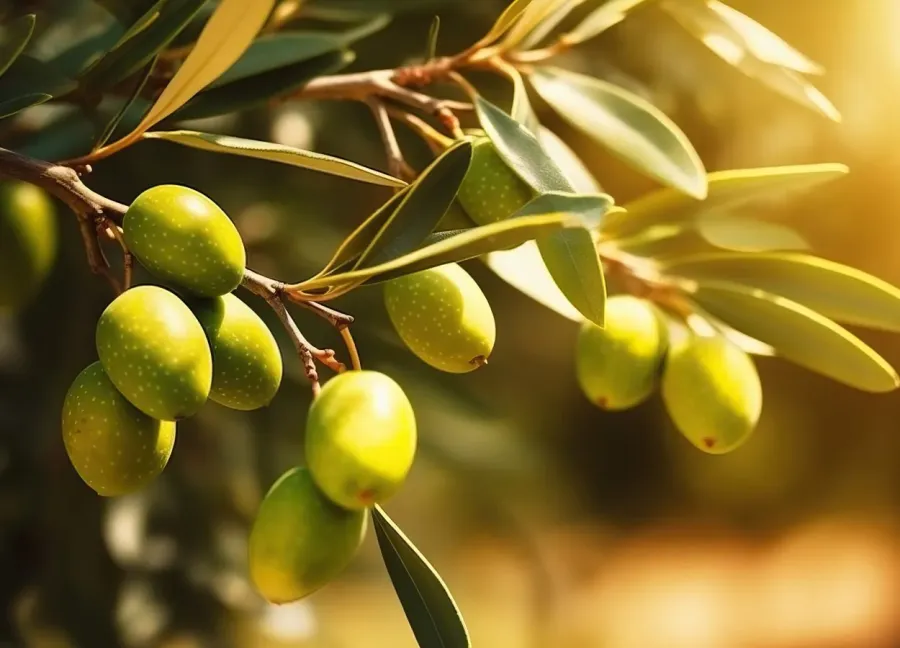
The Galega, the Cobrançosa and the Verdeal: The Portuguese Native Varieties Conquering the World
At a time when olive oil is establishing itself as one of the most studied and most highly valued foods of the Mediterranean diet, Portugal is emerging as one of the leading players in the global market.
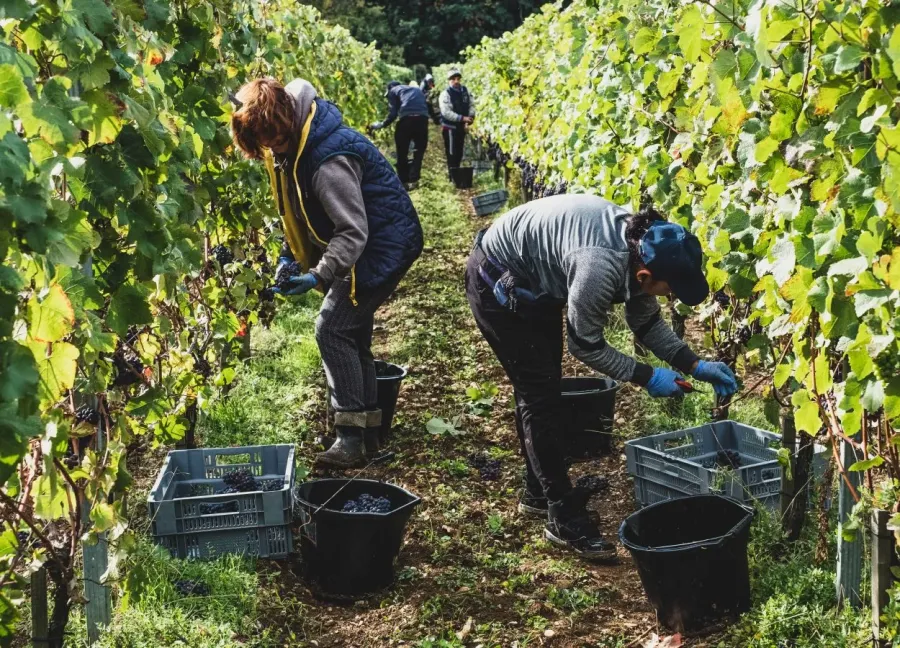
Climate change in Portuguese vineyards: what is changing and how to adapt?
In 2024, the International Organisation of Vine and Wine (OIV) recorded the lowest level of world production since 1961.

Frequently Asked Questions: Artificial Intelligence in Tourism Course
What is the aim of the AgroB Business School course on Artificial Intelligence in Tourism?