


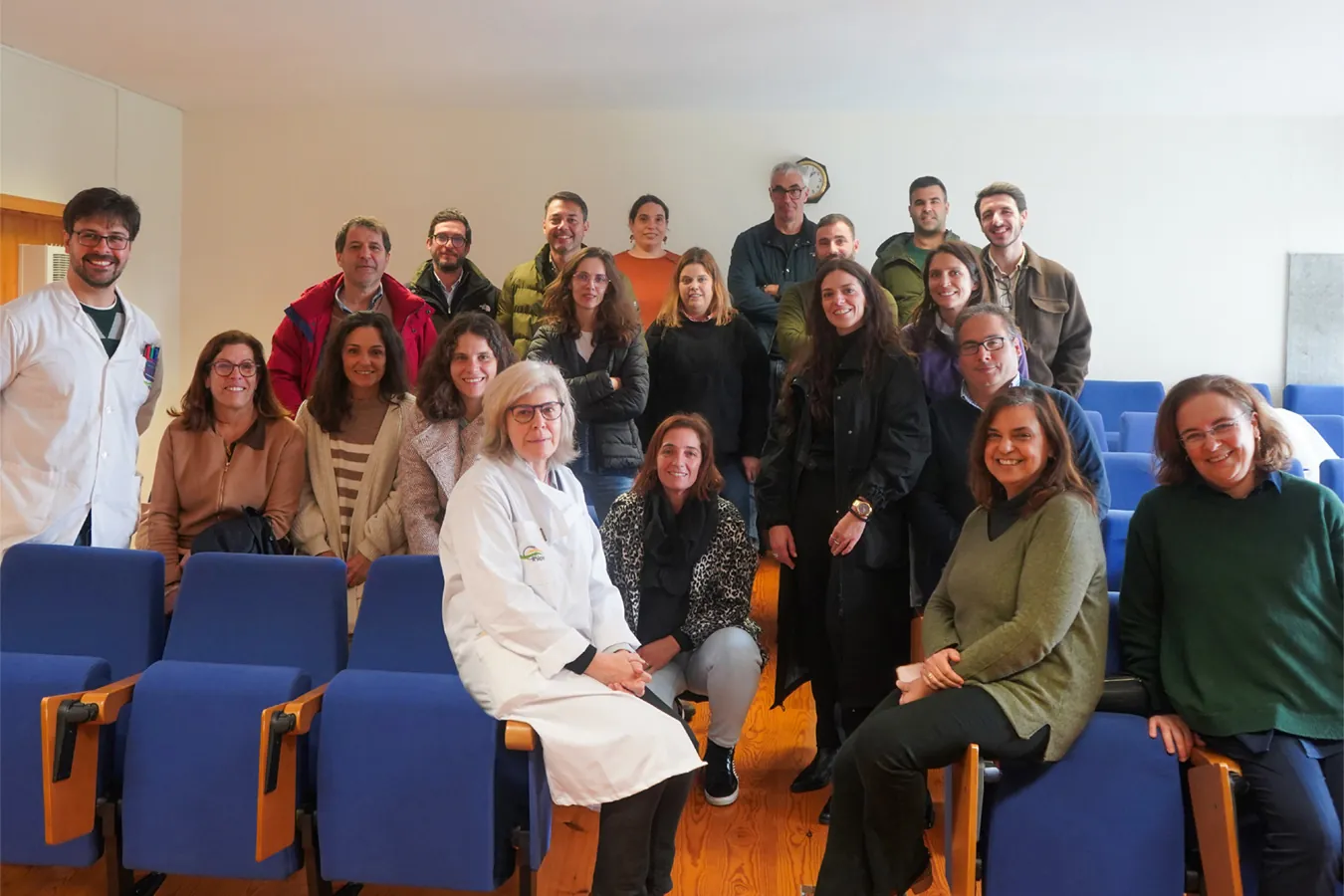
Laboratory practical on phytobacteriology
On 7, 8 and 9 February the first practical classes of the Advanced Specialisation in Agricultural Plant Health took place, a pioneering programme in Portugal run by AgroB in partnership with INIAV, I.P. – Instituto Nacional de Investigação Agrária e Veterinária (National Reference Laboratory).
Over these three days, students put into practice the knowledge acquired in the classes on diseases caused by bacteria, pests, fungi and oomycetes. The AgroB team attended the first of these sessions, at INIAV's research centre in Oeiras, with technicians and researchers Leonor Cruz, Lídia Duarte, Daniel McGuire and Ana Maduro.
The class began in the auditorium with an introduction to diagnosis in phytobacteriology. It covered the role of the laboratory in solving bacterial problems in the field, the importance of surveillance and preventive disease control, and good practice for collecting samples from plants with and without symptoms, nursery plants, seeds, irrigation water and soil. The differences between classical and biomolecular methods were also explained, along with the procedures for analysing and diagnosing bacterial diseases.
After this theoretical grounding, the students moved to the sample preparation room, where they observed symptoms of diseases caused by bacteria in ornamental plants, tomato plants and brassicas. The technicians then demonstrated how to prepare and collect samples for inoculation.

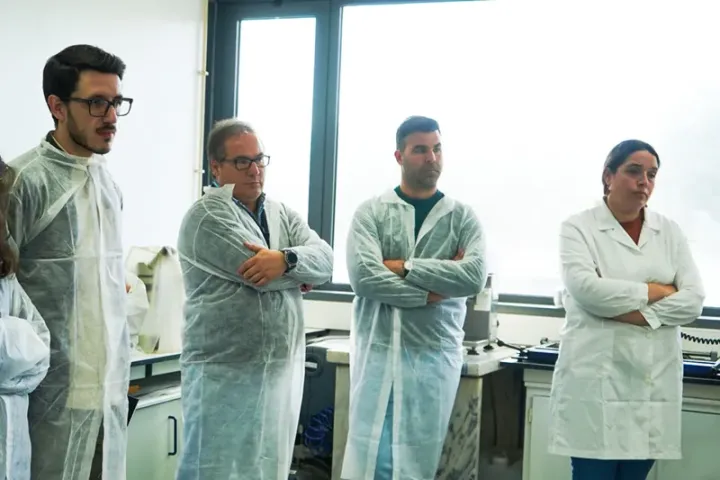
Figures: Teaching staff and students of the specialisation in the sample preparation room


Figures: Observation of symptoms of diseases caused by bacteria in ornamental plants, tomato plants and brassicas


Figures: Preparation of plant material samples for laboratory analysis


igures: Preparation of woody material samples for laboratory analysis
Still in the morning, the group moved on to INIAV's phytobacteriology laboratories. Here, using the samples collected, classical diagnostic methods (isolation) and biomolecular ones (conventional PCR and real time PCR) were demonstrated.

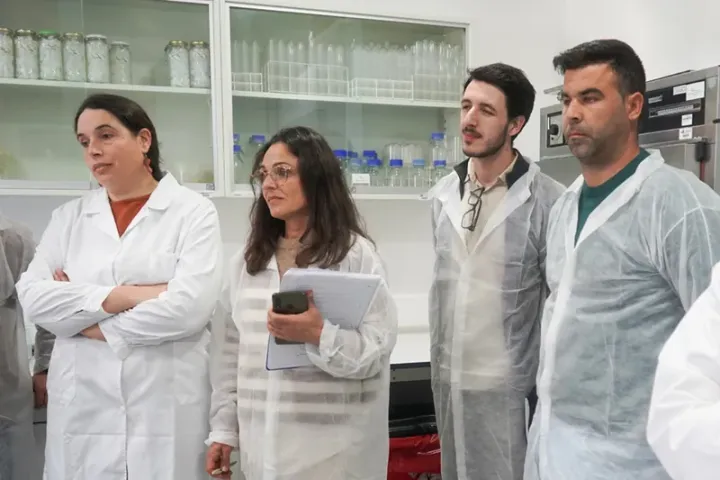


Figures: The group in INIAV's phytobacteriology laboratories


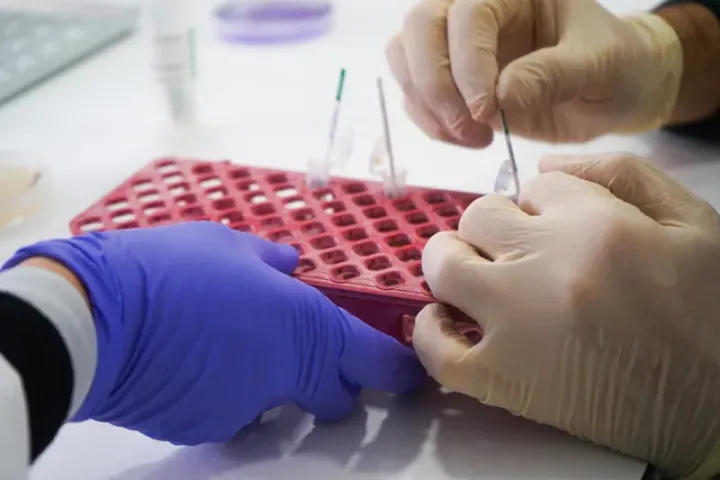

Figures: Demonstration of biomolecular diagnostic methods
After the lunch break, students returned to the laboratories to complete the demonstrations of the diagnostic methods begun in the morning. Marker sequencing, DNA isolation and pathogenicity testing were also carried out. The first day ended with a discussion of the results obtained.

Figure: The group from the 1st edition of the Specialisation in Agricultural Plant Health, with INIAV technicians and researchers
The Advanced Specialisation in Agricultural Plant Health group will return to INIAV's research centre in Oeiras in April and May. In those sessions they will put into practice the skills acquired in the modules on “Diseases caused by viruses”, “Nematodes”, “Weeds, parasitic and invasive plants” and “Nutrition and fertilisation”. The in-person classes will culminate in the “Laboratory and field practical” session, with a case study.
Stay tuned for more news about this AgroB course!
Keep exploring
The Galega, the Cobrançosa and the Verdeal: The Portuguese Native Varieties Conquering the World
At a time when olive oil is establishing itself as one of the most studied and most highly valued foods of the Mediterranean diet, Portugal is emerging as one of the leading players in the global market.
Climate change in Portuguese vineyards: what is changing and how to adapt?
In 2024, the International Organisation of Vine and Wine (OIV) recorded the lowest level of world production since 1961.

Frequently Asked Questions: Artificial Intelligence in Tourism Course
What is the aim of the AgroB Business School course on Artificial Intelligence in Tourism?