



Economic and Financial Analysis: How Healthy Is Your Company?
Economic and financial analysis is an essential component of running any company. It involves assessing economic and financial data, making it possible to understand an organisation's health and performance.
There are various methods and techniques used to provide a detailed picture of your business. Below are some of the most common approaches:
Analysis of Financial Statements
Assessing balance sheets, income statements and cash flows allows a detailed understanding of the company's financial position. Managers use financial ratios – such as liquidity, profitability and indebtedness – to interpret the figures presented.
Horizontal and Vertical Analysis
Horizontal analysis compares data over time, identifying trends and variations. Vertical analysis, in turn, compares each component against the total, giving a sense of the financial structure.
Analysis of Economic Indicators
Assessing economic indicators – such as Gross Domestic Product (GDP), the unemployment rate and inflation – helps in understanding the company's economic environment and influences management strategy.
Financial SWOT Analysis
SWOT analysis can also be adapted to a financial context. Identifying internal Strengths and Weaknesses, together with external Opportunities and Threats, is essential for strategic financial planning.
Financial Appraisal Models
Appraisal models – such as Net Present Value (NPV) and the Internal Rate of Return (IRR) – are used to assess the viability of an investment project in your company.
Sensitivity and Risk Analysis
Scenario assessment and sensitivity analysis are common practices that make it possible to understand the potential impact of economic and financial variations on business decisions.
Applied effectively, these methods and techniques give companies an in-depth view of their finances and also guide managers in strategic decision-making.
Want to take your company to the next level?
Discover our strategic financial consultancy services!
Keep exploring
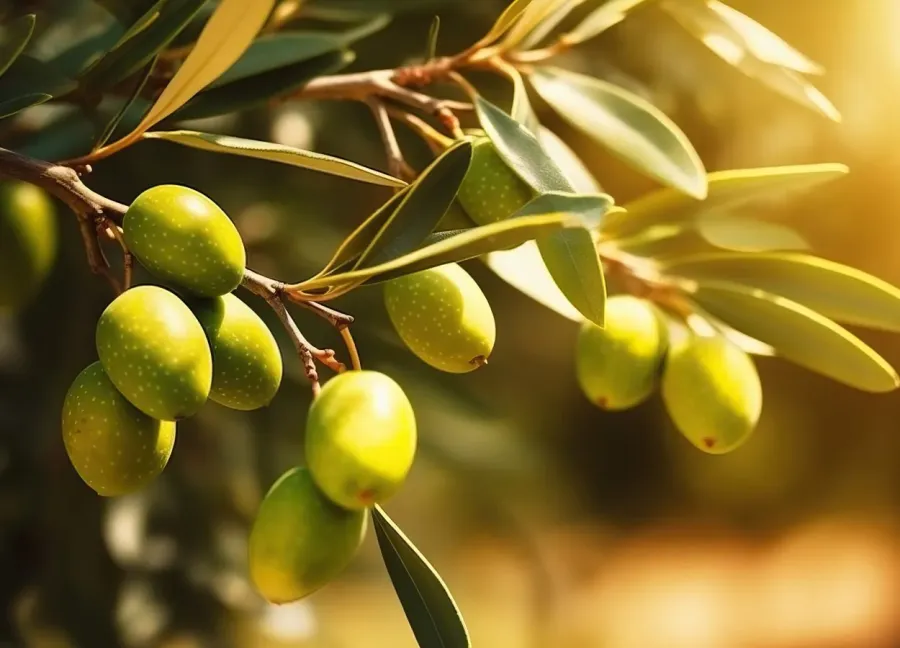
The Galega, the Cobrançosa and the Verdeal: The Portuguese Native Varieties Conquering the World
At a time when olive oil is establishing itself as one of the most studied and most highly valued foods of the Mediterranean diet, Portugal is emerging as one of the leading players in the global market.
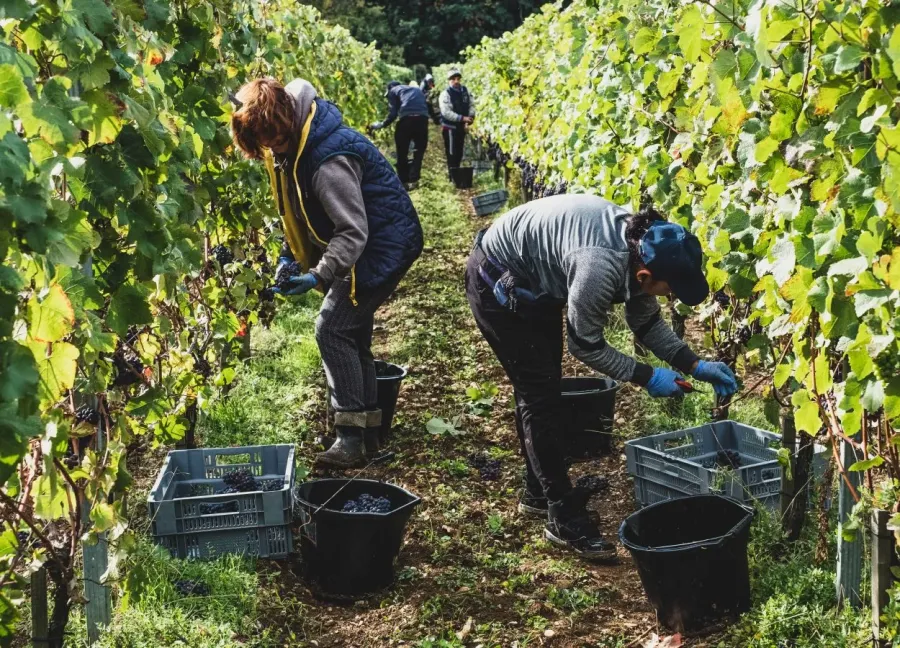
Climate change in Portuguese vineyards: what is changing and how to adapt?
In 2024, the International Organisation of Vine and Wine (OIV) recorded the lowest level of world production since 1961.

Frequently Asked Questions: Artificial Intelligence in Tourism Course
What is the aim of the AgroB Business School course on Artificial Intelligence in Tourism?