


The growth of rural tourism in Portugal
The rise of rural tourism in Portugal
According to Statistics Portugal (INE), tourism in Portugal reached new highs in 2024, confirming its place as one of the engines of the national economy. The total number of guests in accommodation establishments (hotels, local accommodation and rural tourism combined) passed 31.6 million in 2024, growth of around 5% on 2023. Alongside that, some 80 million overnight stays were recorded, an increase of close to 4% year on year. This performance reinforces the strategic role of tourism in the country and shows the vitality of the sector, a result that, according to Turismo de Portugal, confirms tourism as an economic pillar and a way of adding value to Portugal's territories.
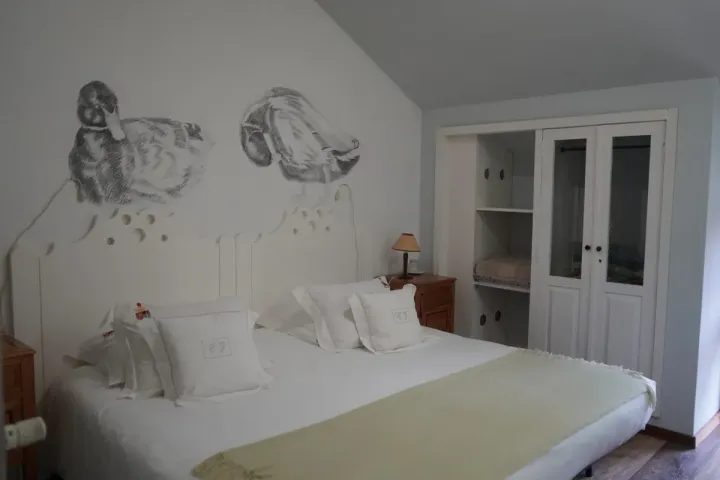
Source: Casa de Juste
Within this positive picture, the rural tourism and country-house segment stands out as the fastest growing. Figures published by Jornal de Notícias indicate that around 1.5 million guests chose rural tourism or country-house accommodation in 2024, a volume that represents an increase of 6.3% on 2023. This was the largest percentage growth of any type of tourist accommodation, outpacing the expansion of local accommodation and traditional hotels that year. Although it still accounts for a small share of total guests, tourism in rural areas has gained ground and shows remarkable momentum within the Portuguese market.
Demand for authenticity is driving the inland regions
Analysts and industry professionals point to a shift in travellers' preferences, with growing demand for authentic experiences close to nature and cultural heritage. This change in behaviour has particularly benefited the country's rural and inland areas, which offer peace and quiet and genuine contact with local culture. As a result, there has been marked growth in tourism in sparsely populated territories. Figures published by Jornal de Notícias show, for example, that several inland municipalities recorded increases of more than 30% in overnight stays in 2024, including Cabeceiras de Basto, Mortágua, Nelas and Vila de Rei, well above the national average. This momentum points to a gradual spread of tourist flows beyond the traditional coastal destinations, helping to decentralise demand.
The North region in particular illustrates this phenomenon, combining strong tourism growth with greater value being placed on the interior. As the Northern Regional Coordination Commission notes, rural tourism and country-house accommodation was the fastest-growing accommodation segment in the region in recent years: between 2019 and 2024, overnight stays in rural properties in the North rose by a cumulative 51.2%, the highest figure of any tourism supply segment in the region. That growth, set against +33% in hotel overnight stays and +15.7% in local accommodation over the same period, reflects the greater value placed on natural and cultural resources and the appeal that the northern countryside has gained among travellers. Even so, urban hotels still account for the bulk of demand (in the North, around 75% of 2024 overnight stays were in hotels), which suggests there is room for further development of rural tourism. Specialists see this additional demand for the interior as an encouraging sign, positive for the sustainability of the tourism sector, since it spreads the economic benefits more evenly and eases pressure on the major urban centres.

Source: Casa Lata Agroturismo
Other regions of the country have shown equally significant momentum in this segment. In the Centre, areas such as the Aldeias do Xisto, the Serra da Estrela and Dão/Lafões have attracted growing numbers of visitors interested in nature, heritage and gastronomic experiences, contributing to sustained growth in rural supply. In the Alentejo, rural tourism has established itself as a flagship product, valued by domestic and foreign tourists alike, especially visitors from Germany and France, who look for quiet stays in wine-growing or farming settings. In the Algarve, although the rural segment accounts for a smaller share of demand, the interior of the region has been making its mark through nature tourism projects and sustainable accommodation, above all in areas such as Monchique and the Algarve barrocal. In the Azores, the percentage growth in rural tourism was the strongest in the country in 2024, with particular emphasis on international demand for farms and country houses set in unique natural landscapes. In Madeira, meanwhile, the traditional quintas and the accommodation located in the island's inland areas, such as Curral das Freiras and Santo da Serra, have been attracting visitors looking for peace and contact with nature. This movement, which extends to practically every region of the country, contributes not only to the economic revival of less populated areas but also to a stronger sense of territorial identity, positioning rural tourism as a strategic pillar of national tourism development.
Outlook for 2025 and investment opportunities
The outlook for rural tourism in Portugal remains optimistic in 2025. Preliminary indicators suggest that the growth trend is continuing, albeit at a more moderate pace after the records of 2024. In the Alentejo, for example, regional sources reported an increase of around 12% in visitor numbers at rural tourism properties in the first half of 2025, compared with the same period the previous year. That growth was driven by Portuguese and foreign tourists alike, all drawn by the tranquillity and authenticity the region offers. Nationally, too, domestic tourism continues to strengthen: in the first months of 2025, overnight stays by residents made a significant contribution to the rise in demand, indicating that the Portuguese are still discovering (and rediscovering) the rural destinations of their own country. For investors, these signals mean a market in sustained expansion, with the potential for returns over the medium and long term.

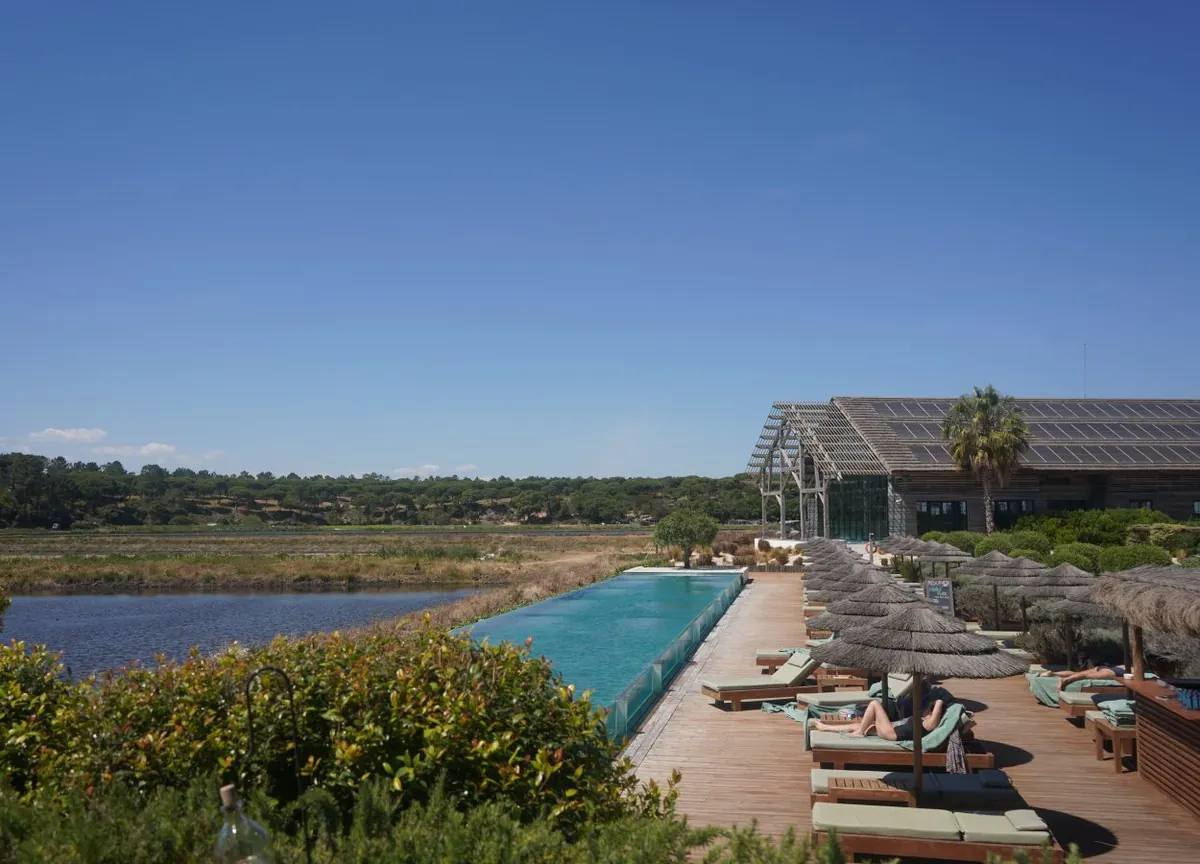
Source: Quinta da Comporta Wellness Boutique Resort
Aware of both the challenges and the opportunities, the Government, working with Turismo de Portugal, has been implementing policies to support and stimulate tourism in the interior. According to Turismo de Portugal, a national strategy for sustainability and decentralisation is under way that encourages rural and nature tourism in inland regions as a means of ensuring balanced growth in the sector. This strategic vision took shape in the Tourism Agenda for the Interior, launched in 2023, which sets out a broad package of incentives to promote tourism investment in rural and inland areas. As announced by the tourism authorities, the Agenda provides concrete financial support measures, from subsidised credit lines and microcredit dedicated to the interior to non-repayable grants for accommodation and tourist entertainment projects in these territories. Tens of millions of euros have been mobilised to strengthen the tourist appeal of low-density regions, including funding that covers up to 70% of eligible investment (with ceilings of a few hundred thousand euros per project) and schemes to encourage tourism professionals to settle in the interior of the country.
From an investor's point of view, this framework represents a favourable environment for new businesses in the rural tourism sector. The combination of growing demand, fed by travellers' search for authenticity and by the Portuguese preference for exploring their own country, with robust institutional support points to excellent investment opportunities. Rural tourism ventures such as country hotels, country houses, agritourism and wine tourism projects stand to benefit from this dual dynamic of market and public policy. As well as being potentially profitable, such investments contribute to local economic development and territorial cohesion by creating jobs and preserving cultural and natural heritage. In short, the growth of rural tourism in 2024-2025 is establishing itself as a market reality, backed by solid indicators and strategic initiatives, making this segment an attractive and sustainable bet in the current Portuguese tourism landscape
Keep exploring
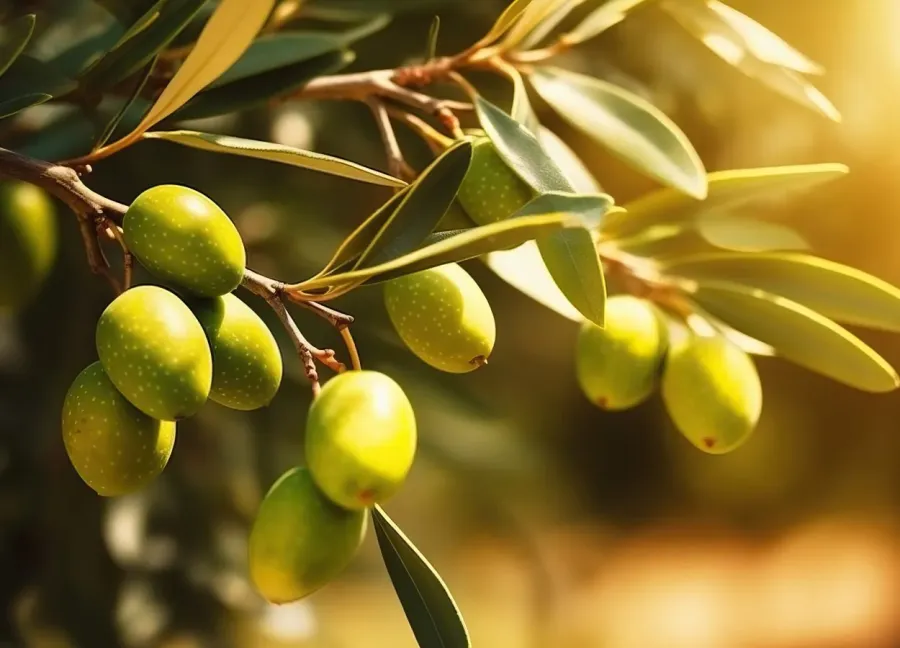
The Galega, the Cobrançosa and the Verdeal: The Portuguese Native Varieties Conquering the World
At a time when olive oil is establishing itself as one of the most studied and most highly valued foods of the Mediterranean diet, Portugal is emerging as one of the leading players in the global market.
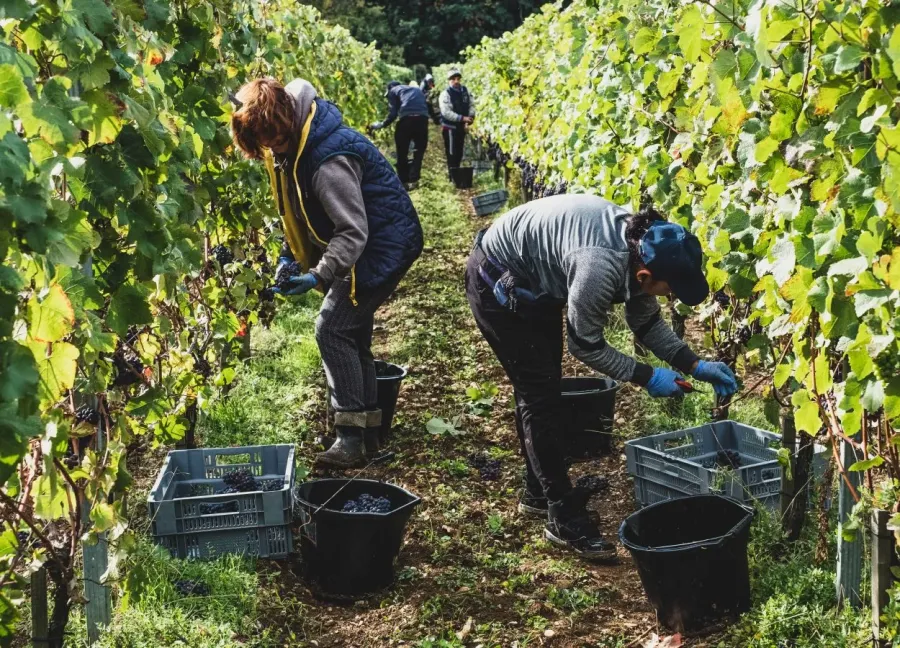
Climate change in Portuguese vineyards: what is changing and how to adapt?
In 2024, the International Organisation of Vine and Wine (OIV) recorded the lowest level of world production since 1961.

Frequently Asked Questions: Artificial Intelligence in Tourism Course
What is the aim of the AgroB Business School course on Artificial Intelligence in Tourism?